
About Gesshoji
Top / About Gesshoji Temple
小泉八雲が愛した寺院
Lafcadio Hearn, a literary giant who had a deep love for Japanese culture,
cherished and frequently visited Gesshoji Temple.
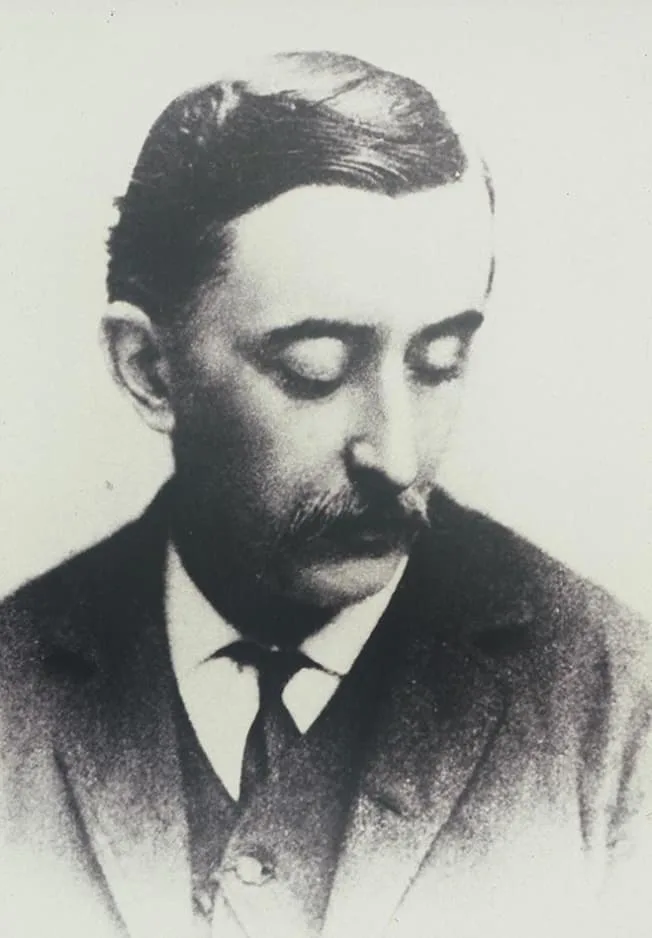
(Koizumi Yakumo)
Who Was Lafcadio Hearn?
Lafcadio Hearn (Koizumi Yakumo) was born in 1850 on the Greek island of Lefkada and grew up in Ireland.
At the age of 19, he emigrated to the United States and worked as a newspaper reporter and writer.
Later, driven by his interest in Japanese culture, he came to Japan in 1890 and took a position as an English teacher at Shimane Prefectural Junior High School and Normal School in Matsue. During his tenure, he developed a deep interest in the Japanese landscape and customs, gaining many experiences through his interactions with the people of Matsue and his daily life.
His stay lasted about 15 months, during which time he got married and encountered many traditions and landscapes that would become the source of his later works.
After that, he moved to Kumamoto, Kobe, and Tokyo, leaving behind many works that offered a deep perspective on Japan.

Gesshoji and Lafcadio Hearn
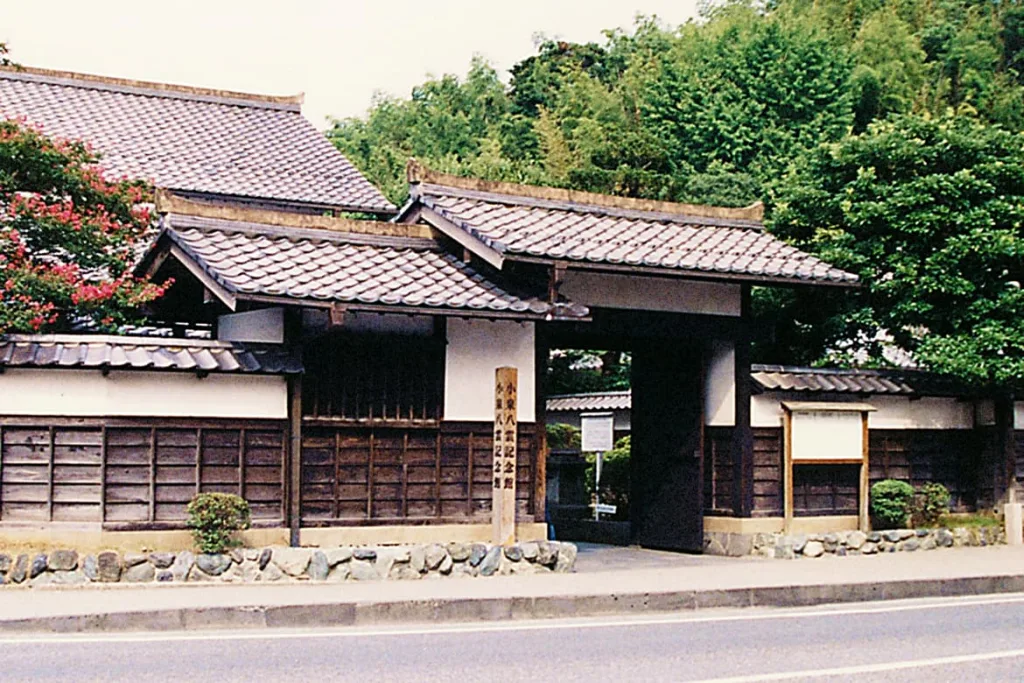
During his stay in Matsue, Lafcadio Hearn actively interacted with the local people and deepened his understanding of Japanese culture. In the samurai residence where he lived, he became familiar with the lifestyle of a traditional Japanese house, including tatami mats, shoji screens, and garden views, and he recorded many interactions with neighborhood children and shopkeepers.
He also visited shrines, temples, and cemeteries, showing a strong interest in the beliefs and customs of ordinary people. He spoke of being deeply impressed in particular by the customs related to Buddhism and Shintoism, and the reverence for ancestors, and these experiences became important themes in his later works.
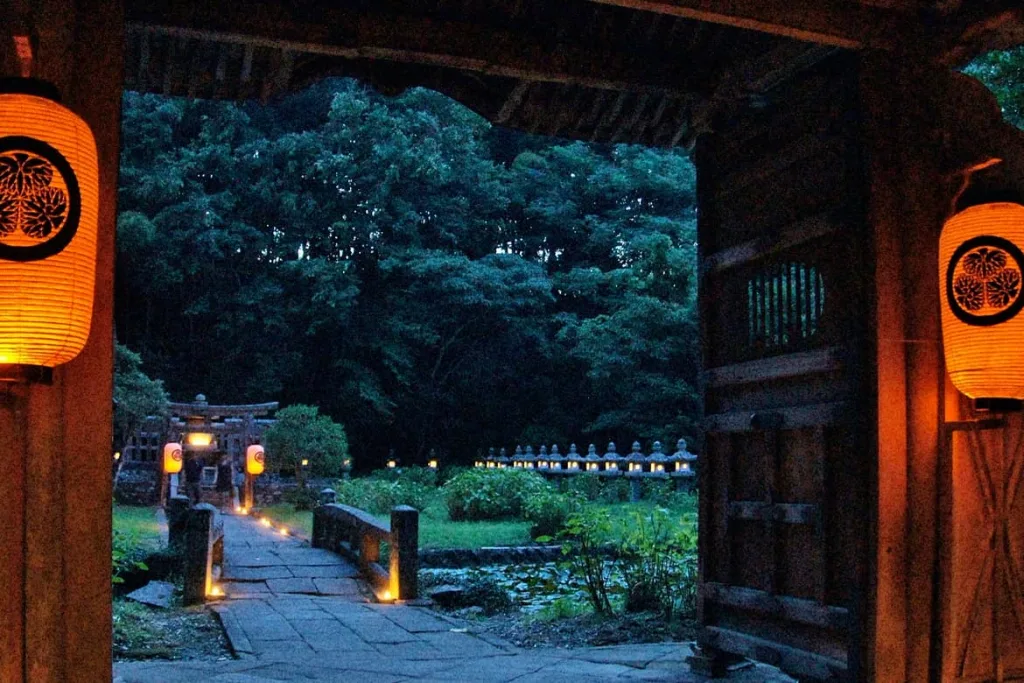
Throughout his life in Matsue, Hearn developed a deep interest in the appearance of temples and the faith of the people, and he recorded his impressions in his essay, "The Capital of the Land of the Gods." Matsue's historic temples and tranquil scenery strongly stimulated Hearn's sensibilities, and it was an important experience that deepened his understanding of Japanese culture.
These experiences were later utilized in his writings such as "Kokoro," "Gleanings from the Buddha's Field," and "Miscellaneous Records of Japan," and Matsue became an indispensable starting point for Hearn's creative work.
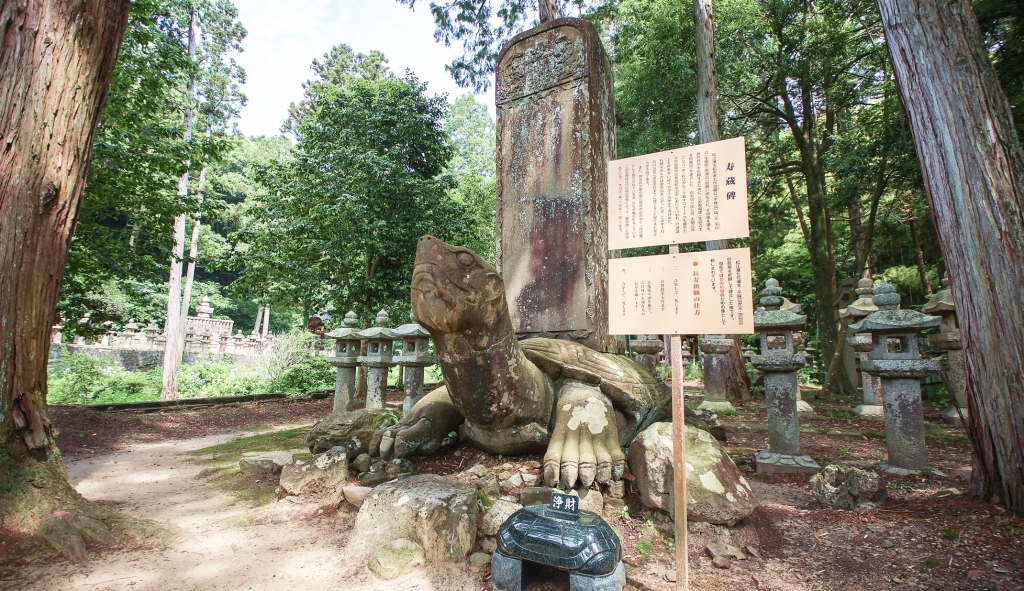
The Legend and Origins of the Great Turtle Memorial
The legend surrounding the giant turtle at Gesshoji Temple presents a fascinating history , blending elements of a ghost story with the historical fact of the feudal lord's dedication of a monument to the turtle
Lord Matsudaira Fumai — A Visionary Leader Who Cherished Tea and the Arts
Matsudaira Harusato (Fumai-ko), who had close ties to Gesshoji Temple, served as the 7th lord of the Matsue Domain. He not only reformed the domain's administration but
also dedicated himself to promoting culture, including the tea ceremony.
His spirit and achievements are still carried on in modern-day Matsue.
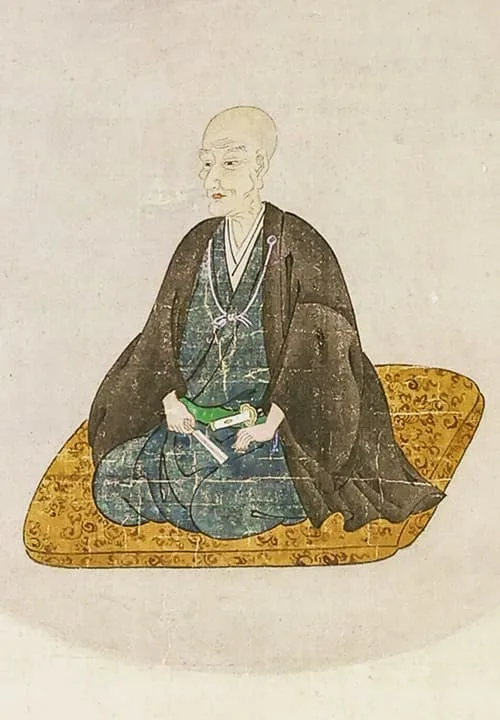
Who Was Lord Fumai?
Matsudaira Harusato (Fumai-ko) was the 7th lord of the Matsue Domain during the mid-Edo period, taking on the responsibility of governing the domain at a young age.
His reign faced financial difficulties, and Fumai-ko promoted reforms based on frugality, striving to rebuild the domain's finances. His policies, which avoided excessive luxury while valuing the dignity and refinement of the samurai class, are said to have earned him the trust of the people.
Furthermore, his commitment to balancing practical learning with intellectual culture strongly suggests he was more than just a ruler; he was a cultured individual.
Achievements as a tea master
– The Fumai School and the transmission of culture
Lord Fumai, while fulfilling his duties as feudal lord, possessed a deep knowledge of the tea ceremony and is known as the founder of the "Fumai-ryu" school.
He made a name for himself as a daimyo tea master, collecting and preserving many famous tea utensils, and records of these have been preserved for posterity in the "Unshu Kuracho" (Unshu Storehouse Register). His teaching that "tea should be prepared in a way that is pleasant to drink" and the spirit of the Fumai-ryu school, which valued substance over form, are still passed down to many tea masters today.
In addition to the tea ceremony, he was deeply involved in a variety of cultural activities such as waka poetry, calligraphy, and crafts, and he instilled a refined aesthetic sense in the town of Matsue.
The spirit of Fumai-ko lives on in modern times
The cultural legacy of Lord Fumai remains vividly present in modern-day Matsue. Matsue is still known as the "City of Tea Ceremony," and tea rooms and utensils associated with Lord Fumai can be seen throughout the city. Furthermore, his spirit is cherished by many citizens and visitors through tea ceremonies, including the "Matsue Castle Grand Tea Ceremony" held every autumn . The Jūzō monument and the large turtle statue remaining at Gesshōji Temple can also be considered symbols of the culture that Lord Fumai built along with his prayers for his family.
The mausoleum where successive lords of the Matsue Domain are buried; a treasure trove of valuable cultural assets that carry on the beauty and traditions of Edo.
Gesshoji Temple is a treasure trove of valuable cultural assets that preserves the history of the Matsue Domain, which has continued since the Edo period as the mausoleum of successive lords of the domain.
The exquisite architecture and sculptures by master craftsmen of the Edo period,
as well as cultural assets associated with the lords, are preserved in their original style.
Here, we will introduce in detail the charm of the historically valuable cultural assets and architectural styles.
History and tradition

Gesshoji Temple has long been preserved as the mausoleum of successive lords of the Matsue Domain.
Cultural artifacts that convey the history from the Edo period and
anecdotes related to the lords still live on within the temple.
Gesshoji Temple has been preserved for 400 years as the mausoleum of nine generations of Matsue domain lords.
Cultural artifacts that convey the history from the Edo period and anecdotes related to the domain lords live on within the temple.
Art and treasures
From items associated with the feudal lord to numerous works of art crafted by master artisans of the Edo period, you can experience the spirit of that era by encountering these precious cultural artifacts that have enriched history
From items associated with the feudal lord to numerous works of art crafted by master artisans of the Edo period,
you can experience the spirit of that era by encountering these precious cultural artifacts that have enriched history.
Architecture
The allure of Edo-period architecture lies in the exquisite craftsmanship of master artisans.
Structures such as mausoleums and temple gates
continue to convey the style and grandeur of that era, transcending time.
The allure of Edo-period architecture lies in the exquisite craftsmanship of master artisans.
Structures such as mausoleums and temple gates continue to convey the style and grandeur of that era, transcending time.
Garden
A tranquil garden that changes its appearance with each season. A charming space where you can spend a peaceful moment with tea and sweets amidst a historical landscape
A tranquil garden that changes its appearance with each season.
A charming space where you can spend a peaceful moment with tea and sweets amidst a historical landscape.
Others
Gesshoji Temple is home to a diverse array of cultural treasures and historical remnants.
Beyond the mausoleum,
we introduce the many attractions and sights that make Gesshoji Temple unique.
Gesshoji Temple is home to a diverse array of cultural treasures and historical remnants.
Beyond the mausoleum, we'll guide you through the many attractions and sights that make Gesshoji Temple so unique.