The essence of Edo architecture that lives on across time.
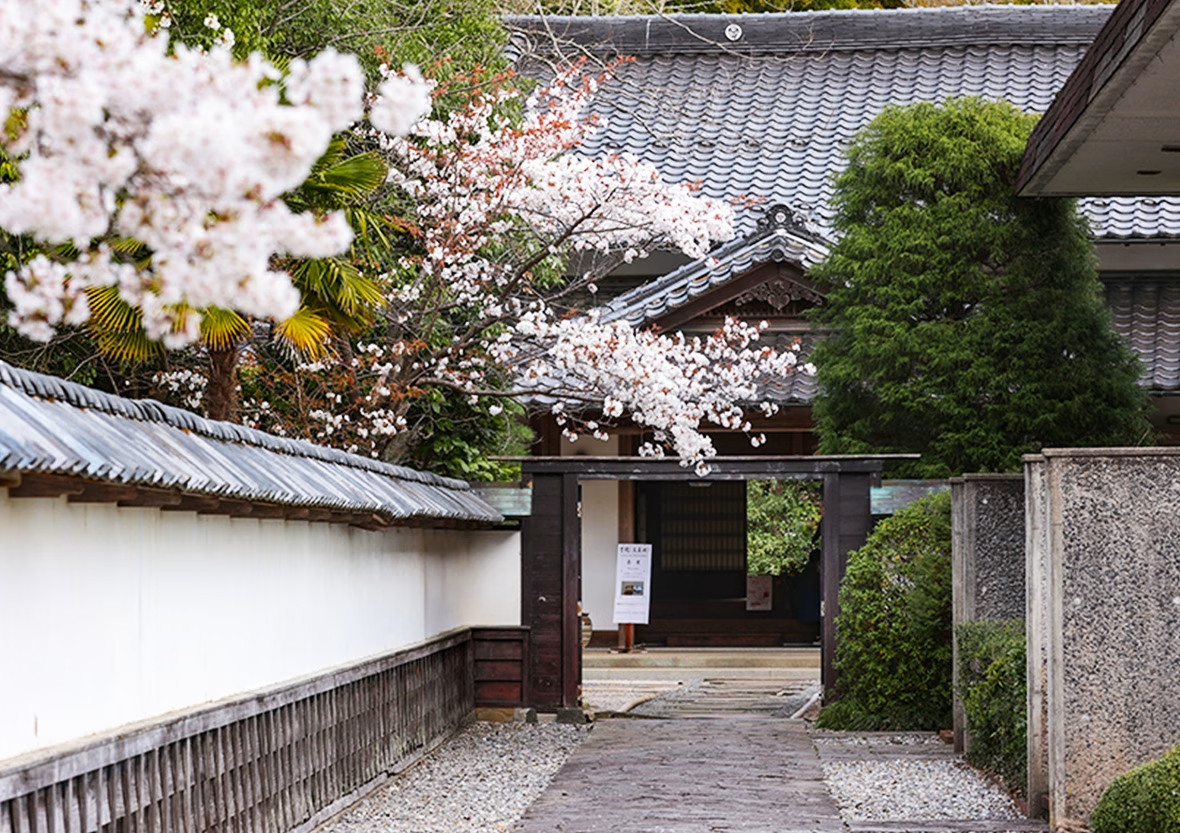
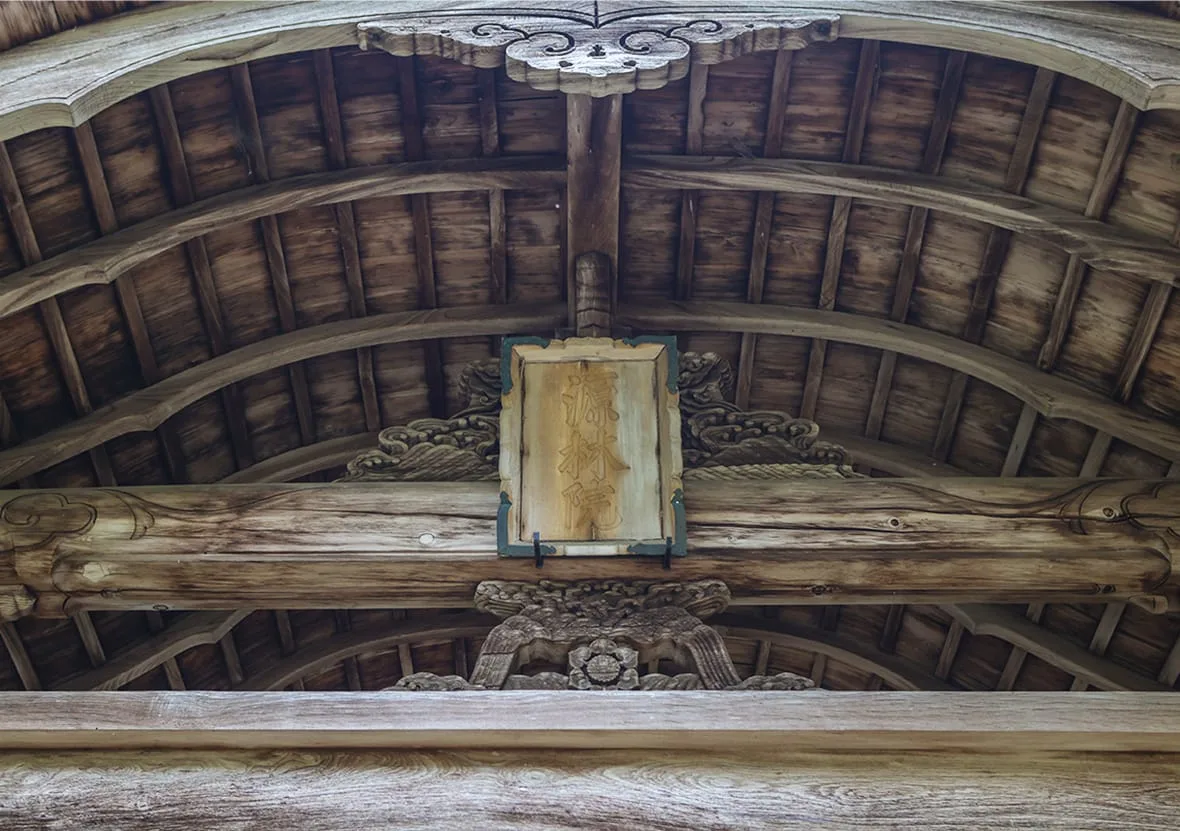
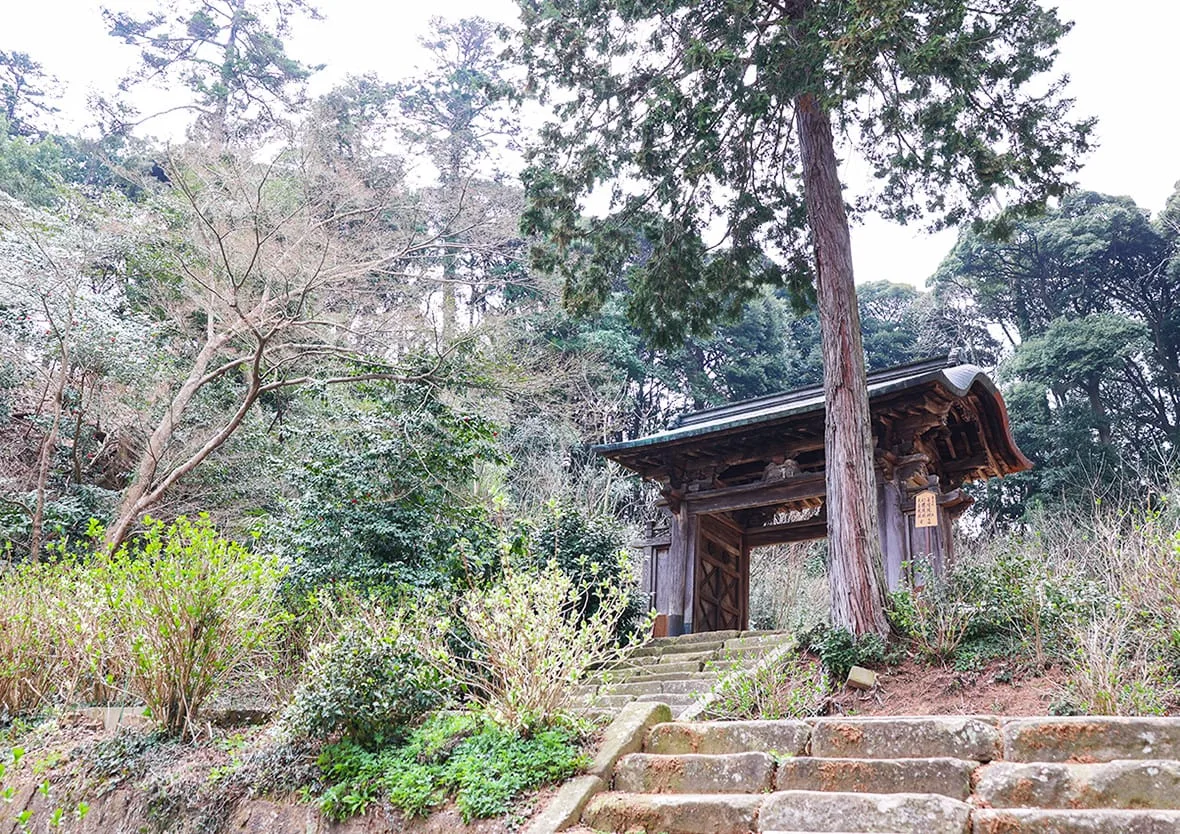
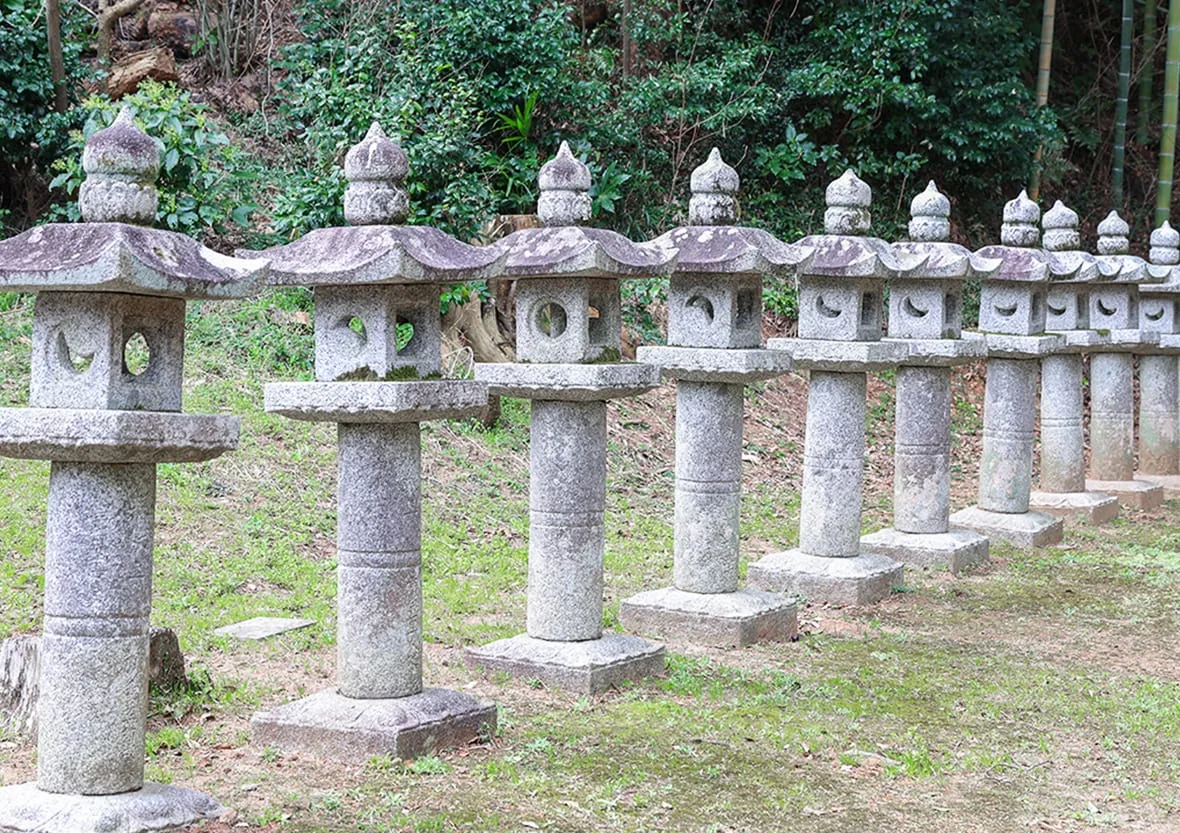
The buildings of Gesshoji Temple are the culmination of the exquisite skills of master craftsmen. The mausoleum, temple gate, and other structures have stood alongside successive lords of the Matsue domain, preserving the grandeur of their time. Each building holds history and anecdotes, allowing visitors to experience the atmosphere of yesteryear.
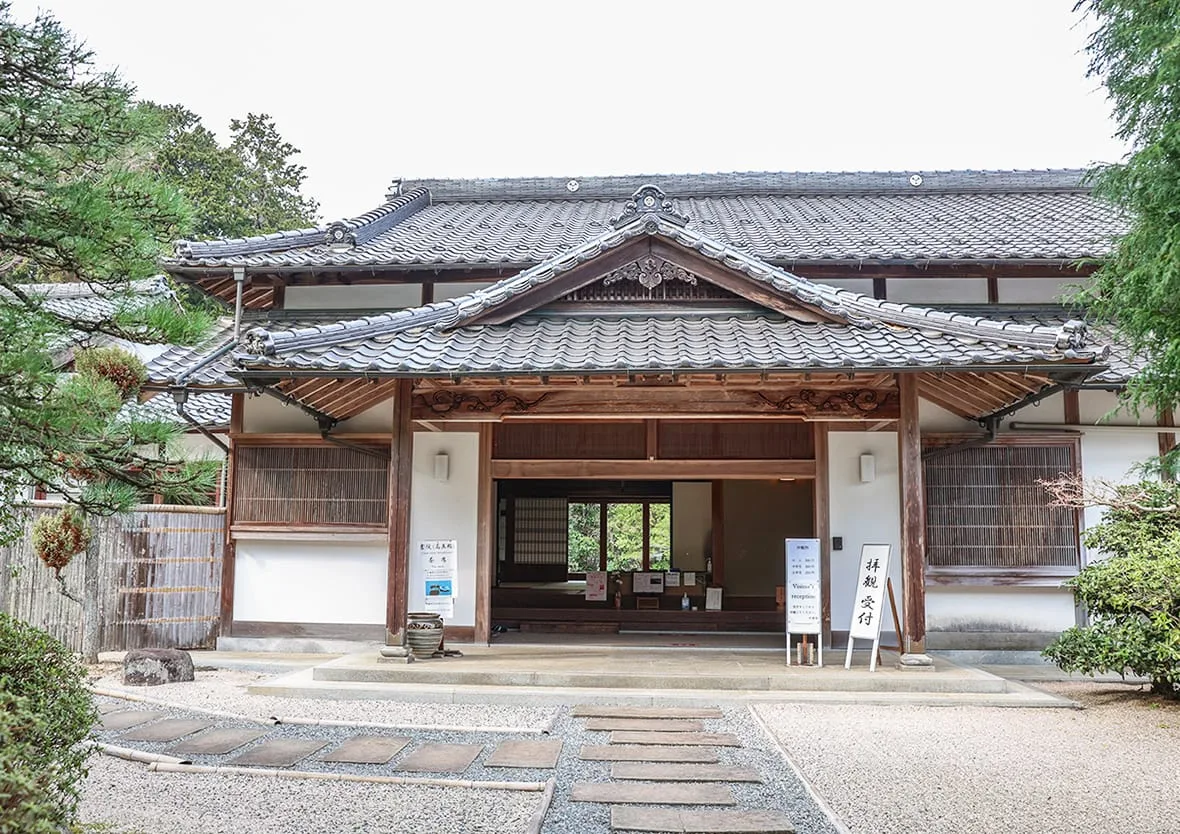
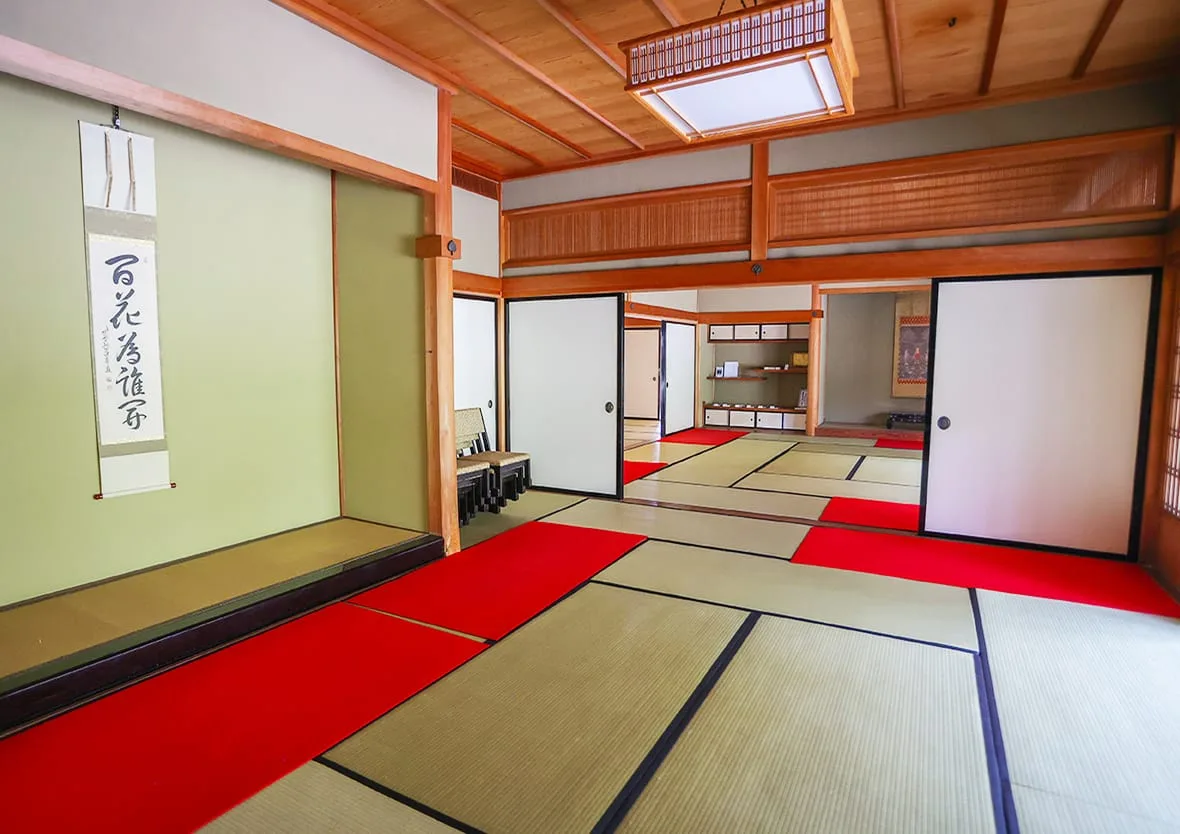
Shoin
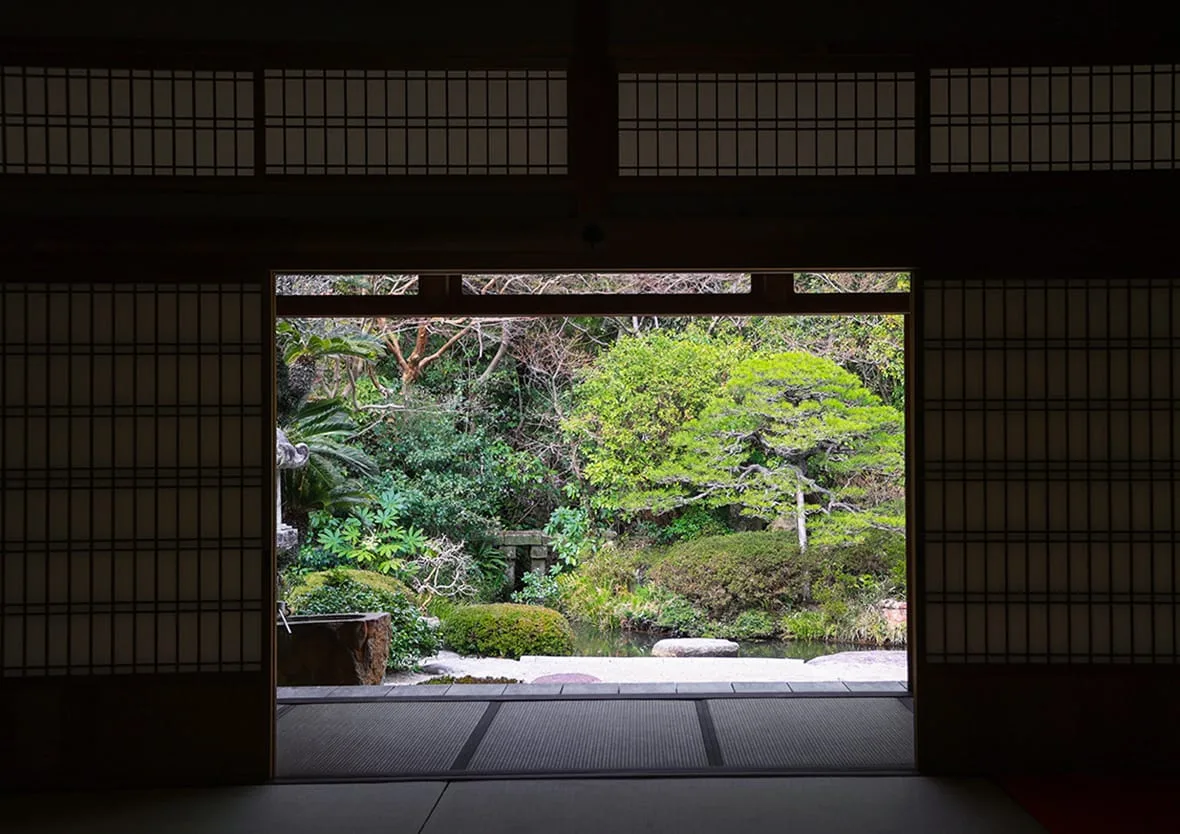
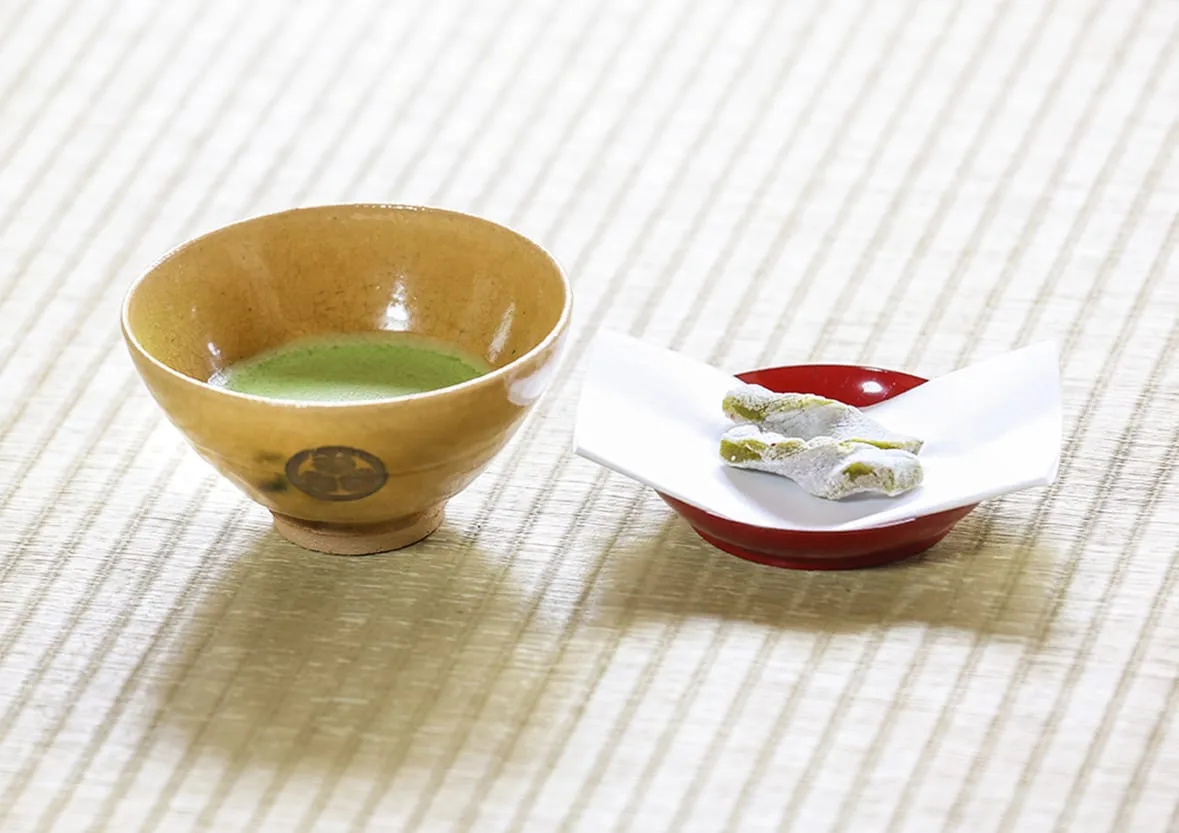
The current study hall was renovated in 1984 with the aim of creating something befitting the family temple of the feudal lord of Matsue, an international cultural and tourist city. In the back right is the "Onari-no-ma" (Imperial Audience Room), which recreates the style of a study hall that conveys the legacy of the Azuchi-Momoyama period. It is open to the public, and visitors can enjoy tea using tea utensils made by local artists if they wish.
Otamaya
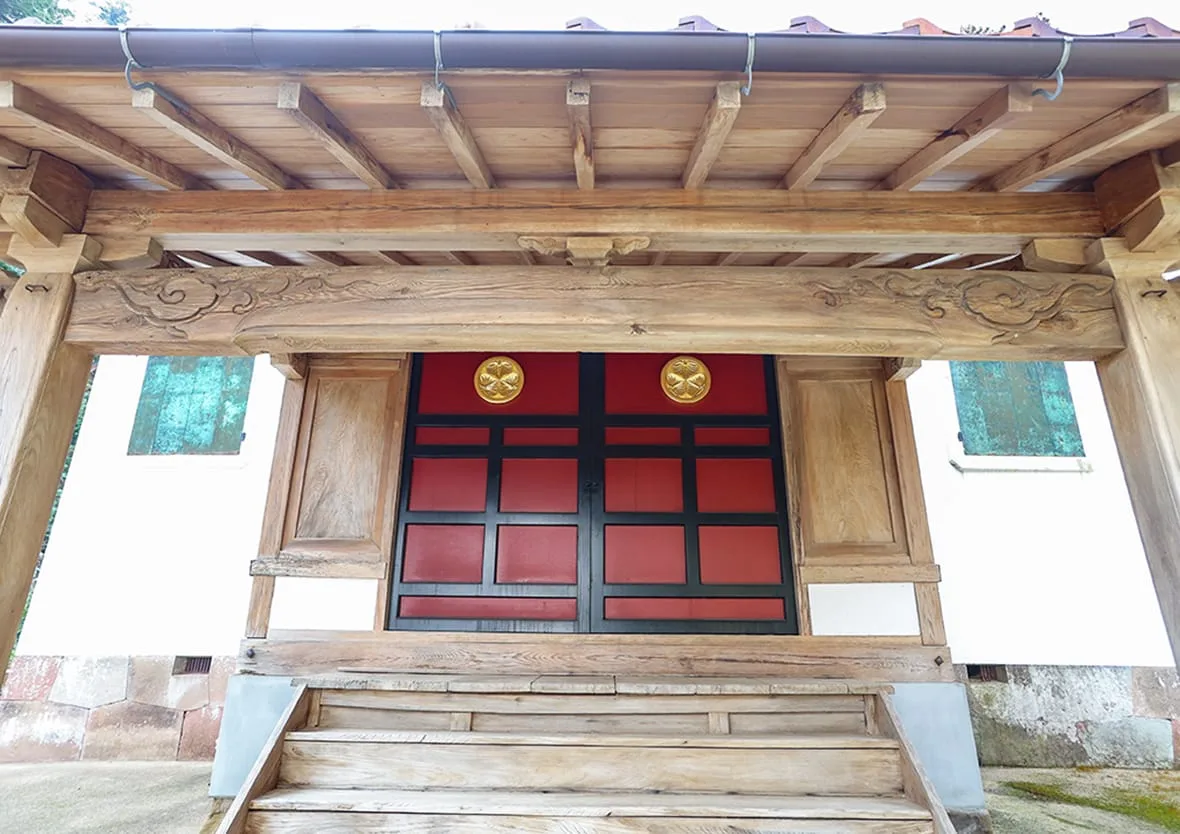
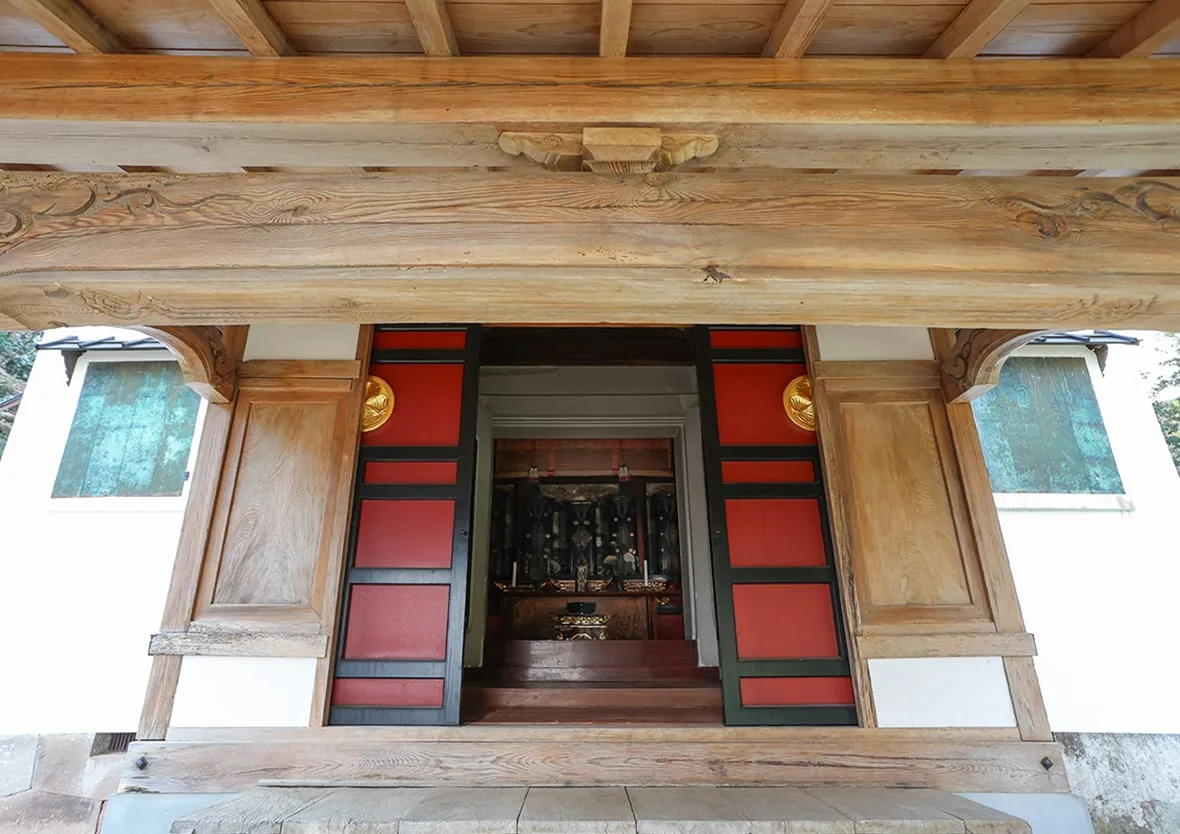
This building, constructed in 1798, houses the memorial tablets of successive feudal lords. It is a fully constructed structure, and the interior murals were painted by Kano Eiun. The building is opened to the public only on August 16th each year for the "Opening of the Mausoleum Ceremony," and is open for worship.
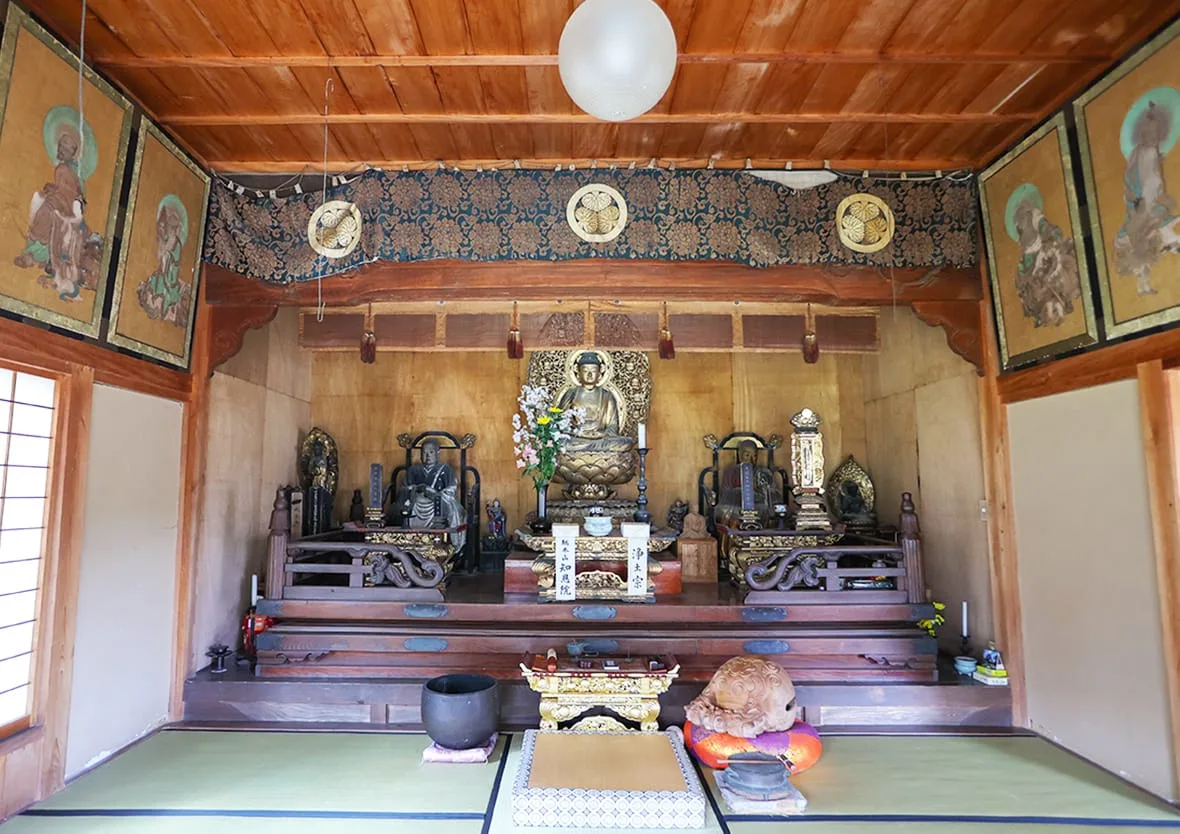
Main Hall (Current)
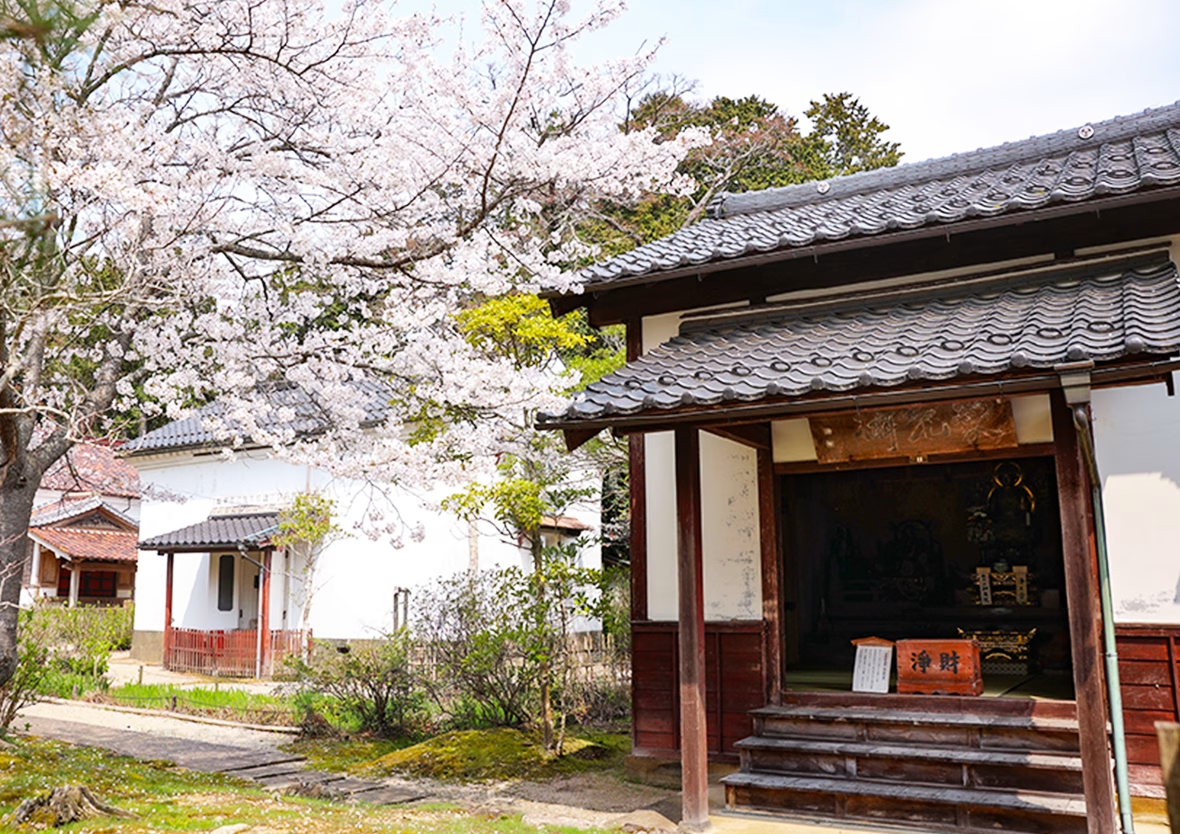
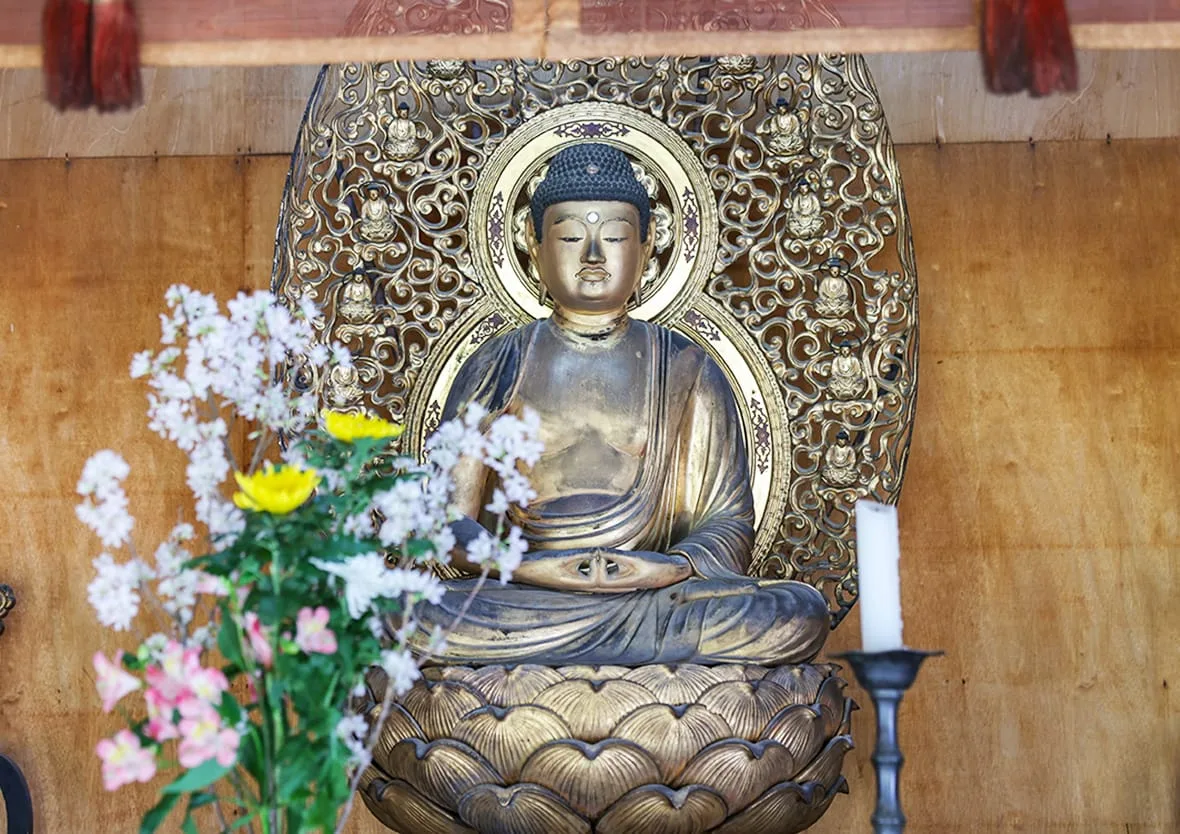
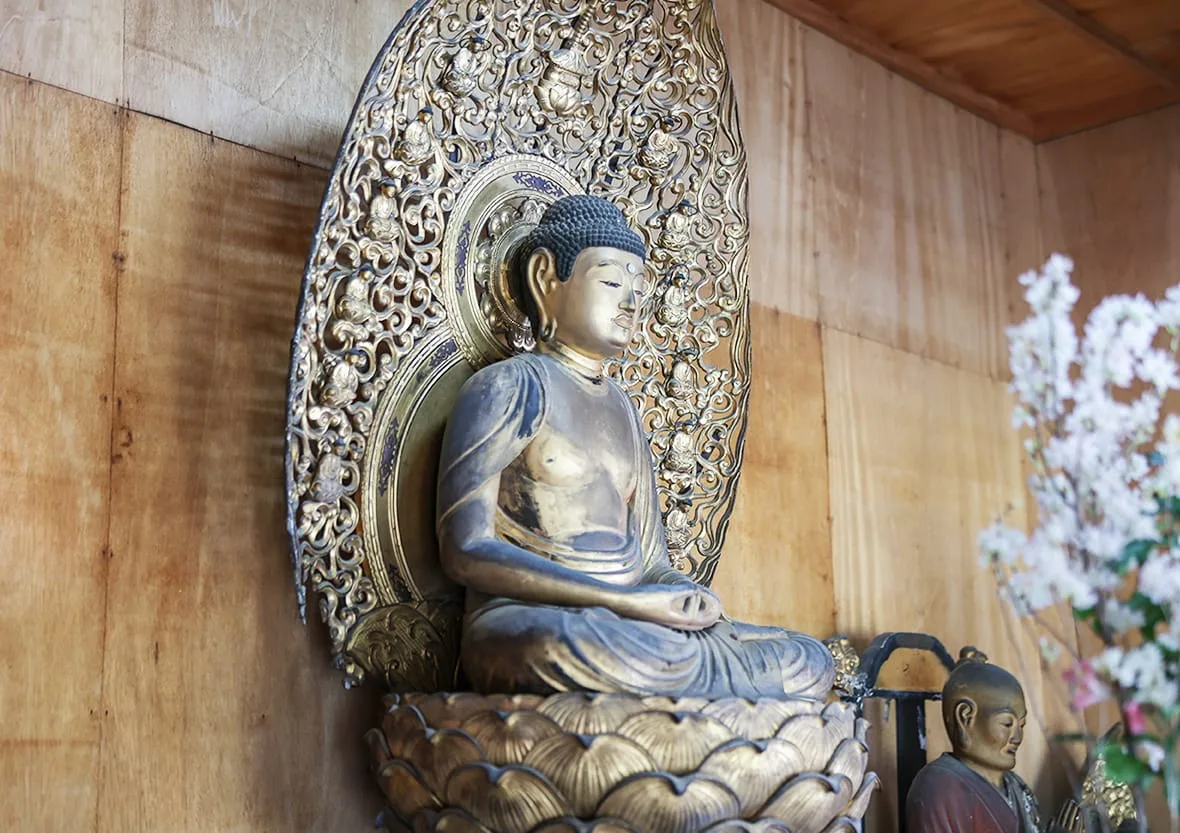
The main hall was built in 1954. The principal image, a statue of Amida Buddha, was commissioned by the first lord of the domain, Matsudaira Naomasa, to pray for the repose of Gesshoin's soul. Inside the hall hangs sixteen arhats painted by Kano Eiun, and the plaque outside bears the calligraphy of the tenth lord, Sadaaki.
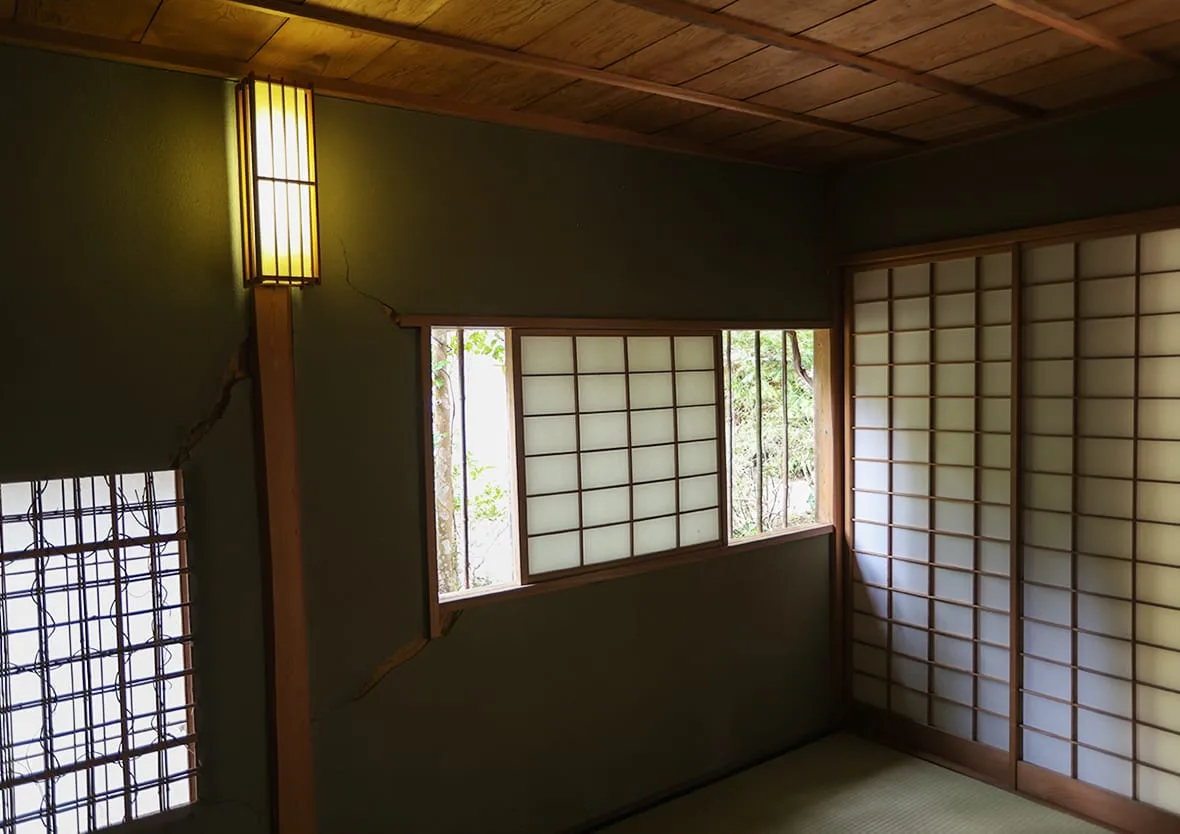
Tea Room – Daien-an
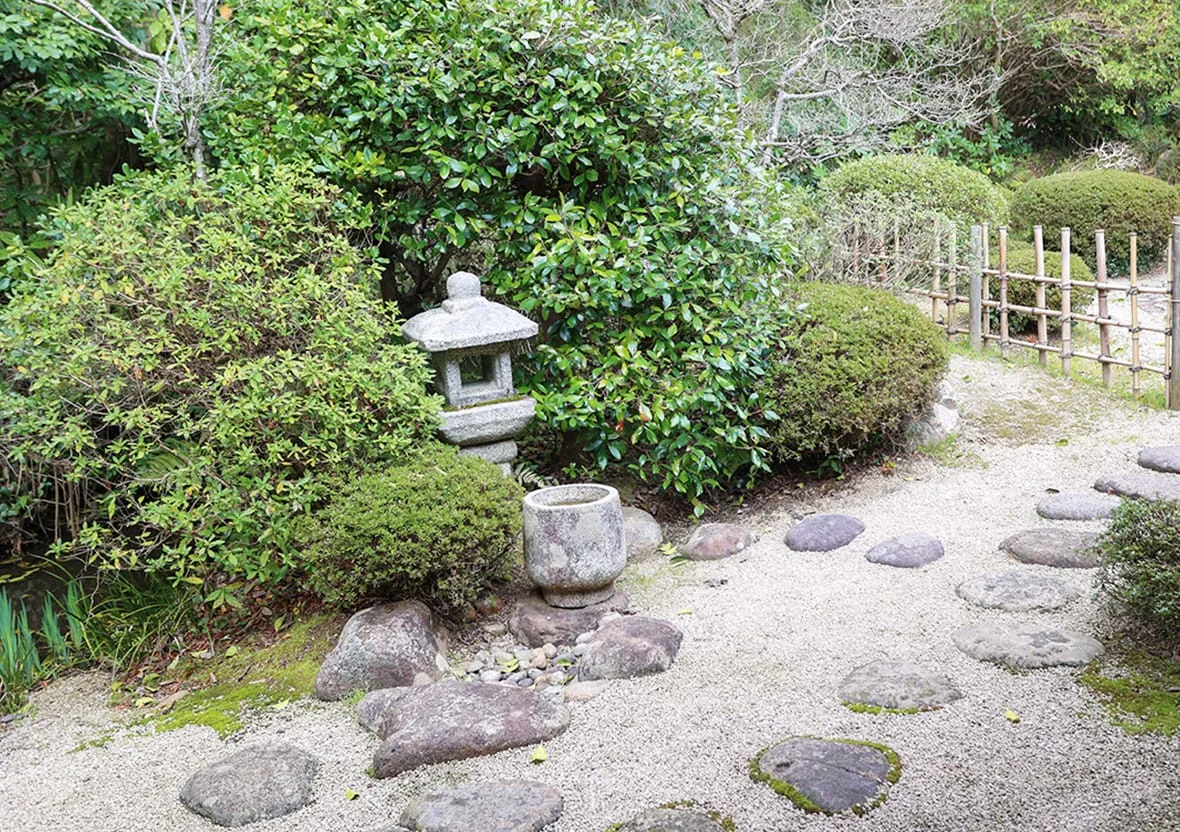
Located behind the main hall, this tea room stands quietly. Once a place where tea ceremonies were held, it still retains the atmosphere of that era. It is a space where you can feel the tradition of the tea ceremony, cherished by successive feudal lords.
Treasure Hall
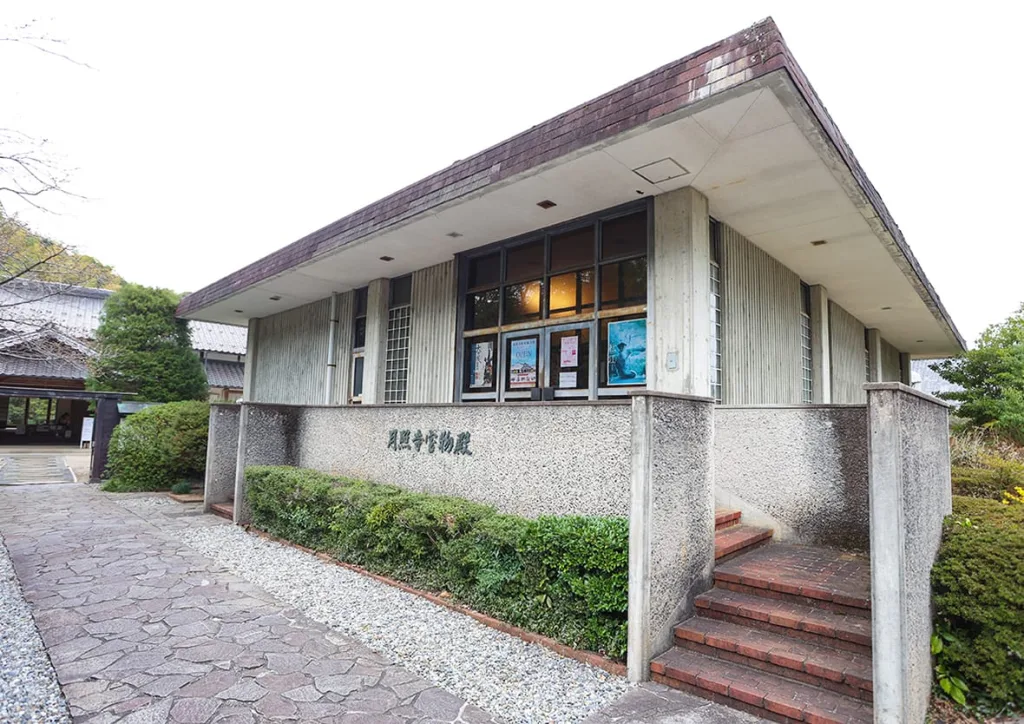
This treasure hall houses and displays valuable items associated with the lords of the Matsue domain. It contains many rare cultural artifacts that cannot be seen anywhere else, such as a statue of Fumai-ko and an extra-large Nirvana painting.
Karamon
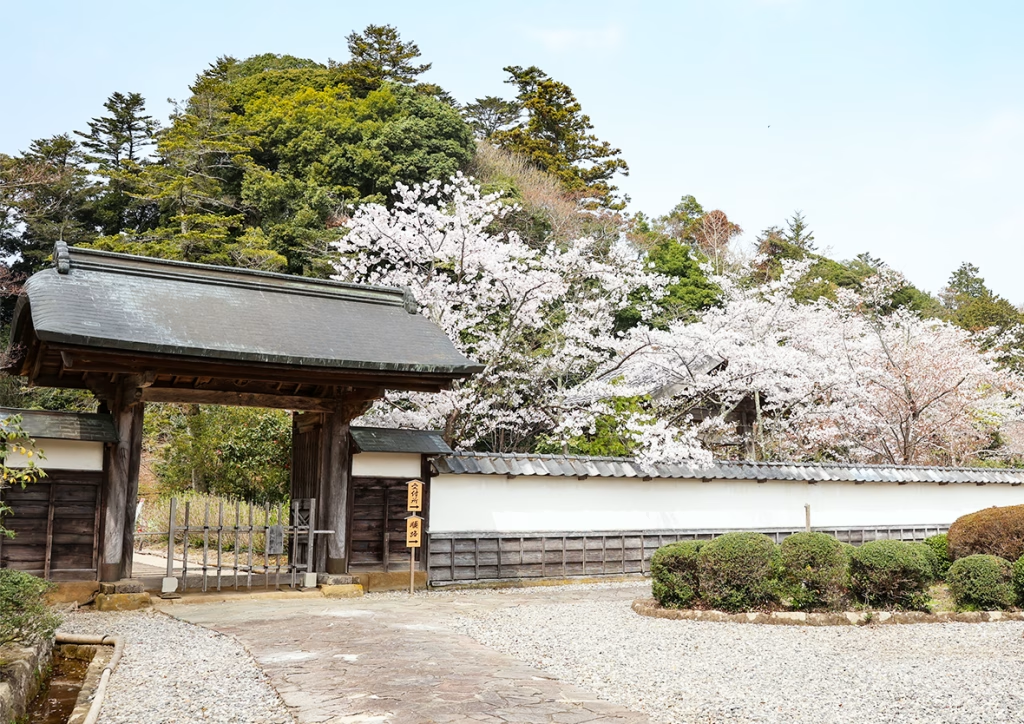
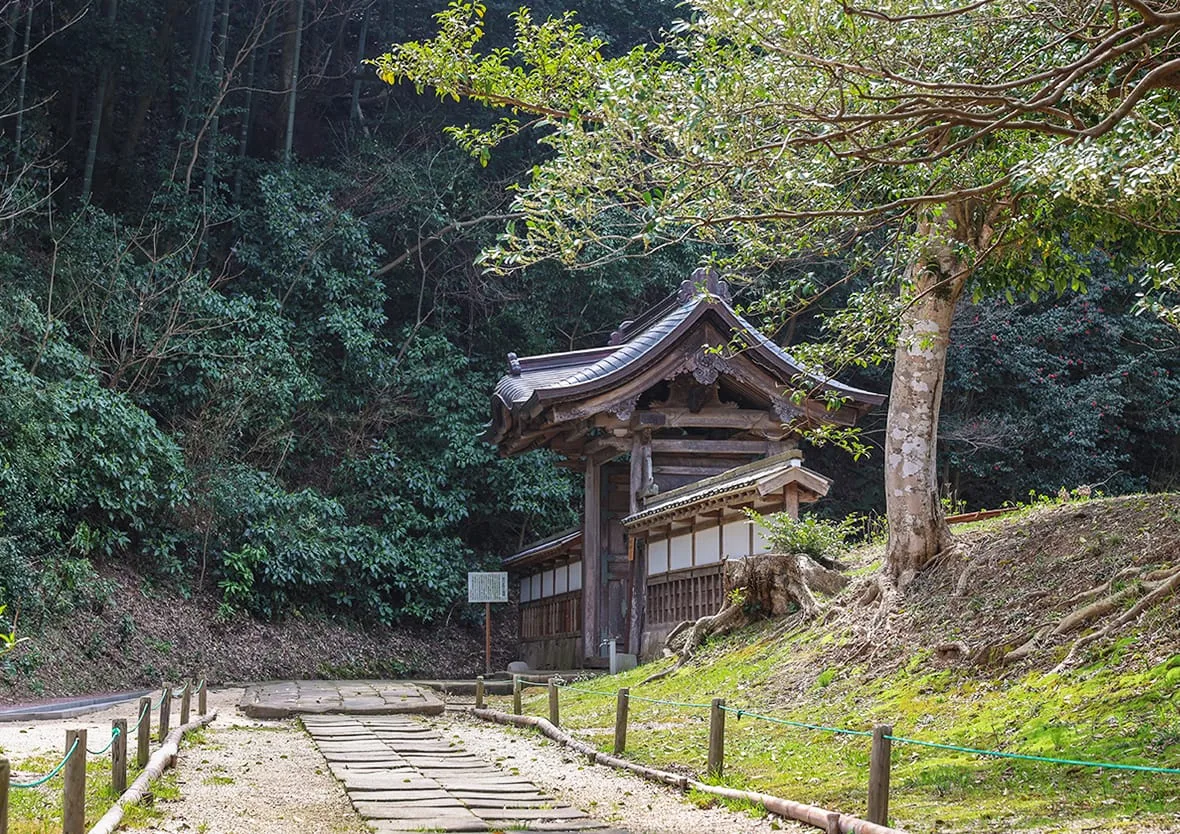
This single-bay, single-door flat gate is estimated to have been built in the mid-17th century. Based on the shape of the carvings, it is thought to have been constructed by the Matsue Domain's construction workshop. There is also a theory that it was relocated from the former Enryu-ji Temple (Nishio-cho, Matsue City), but the details are uncertain.
Shōrō (Bell Tower)
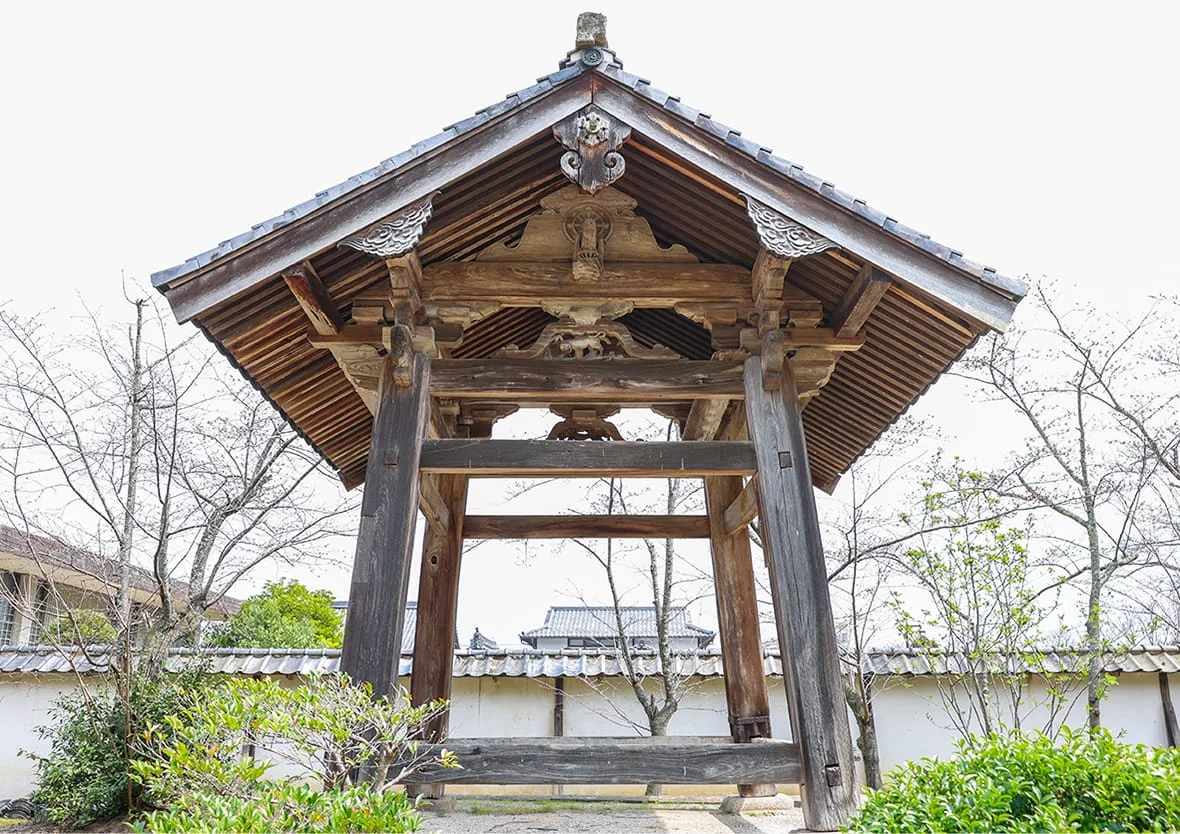
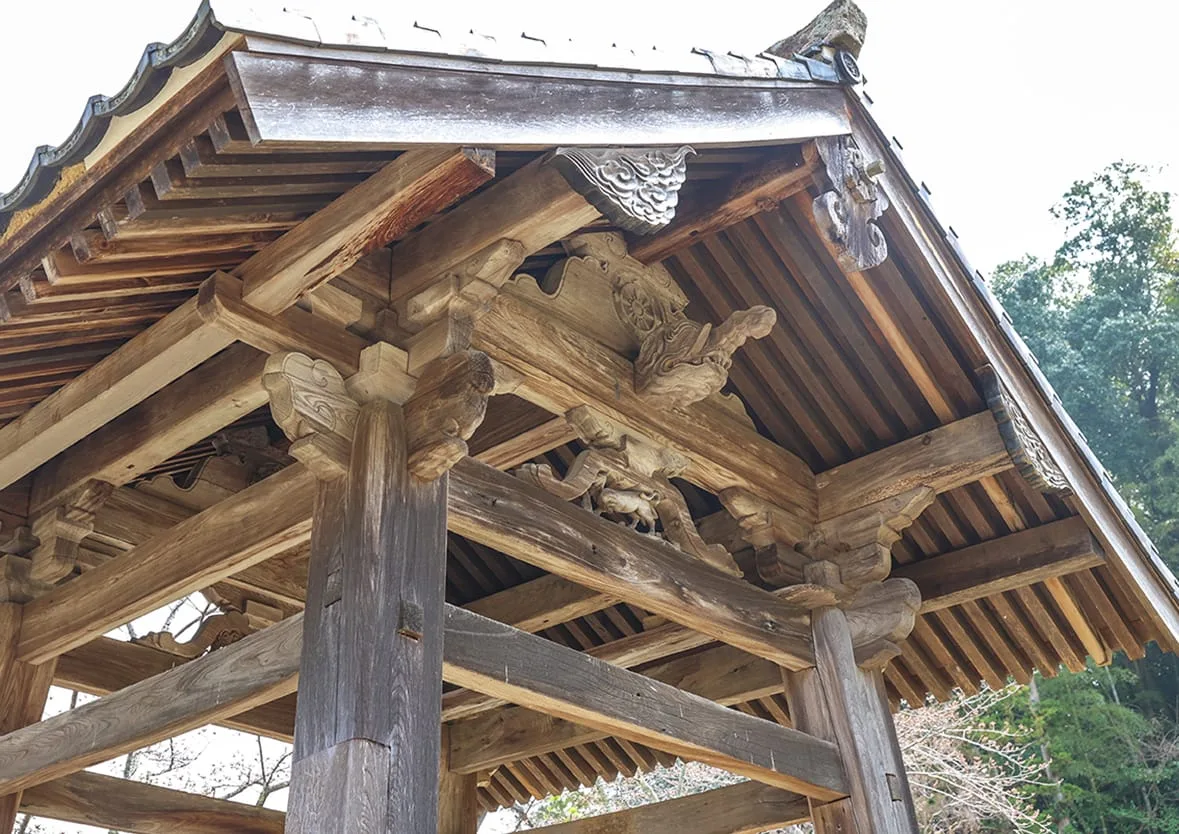
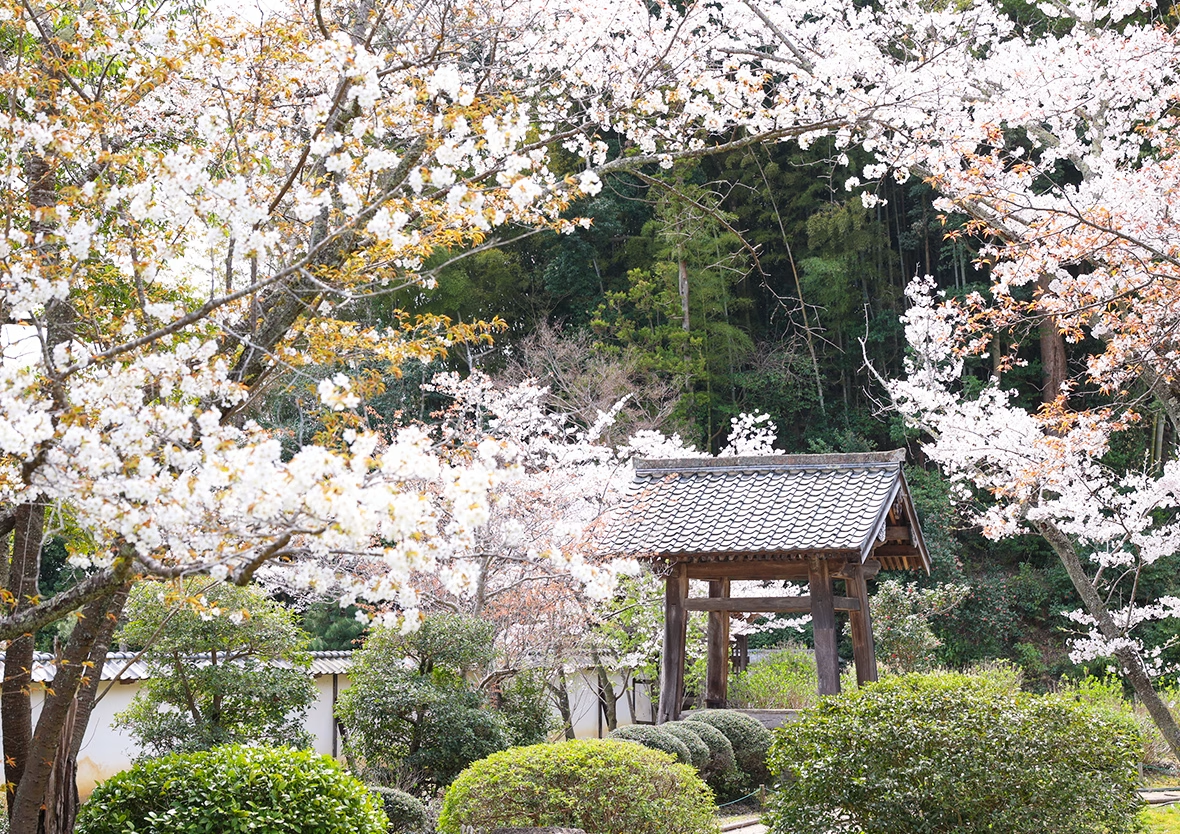
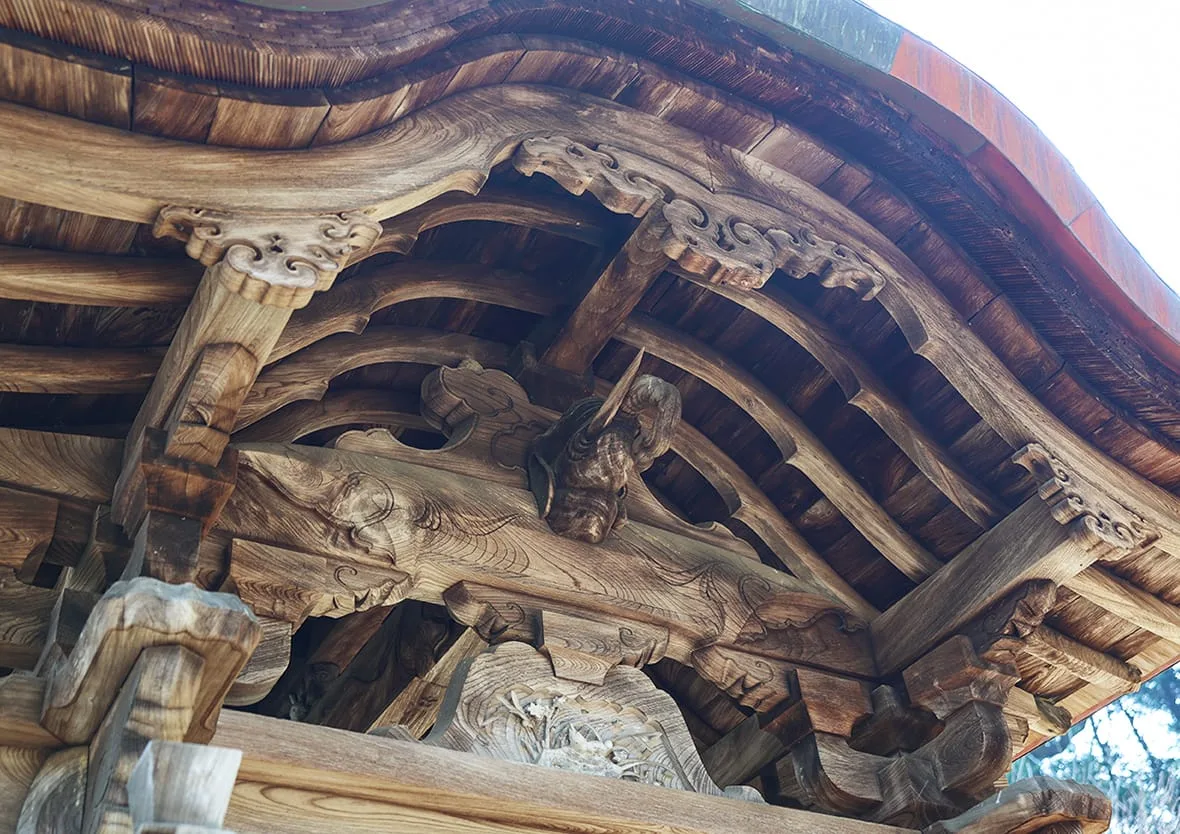
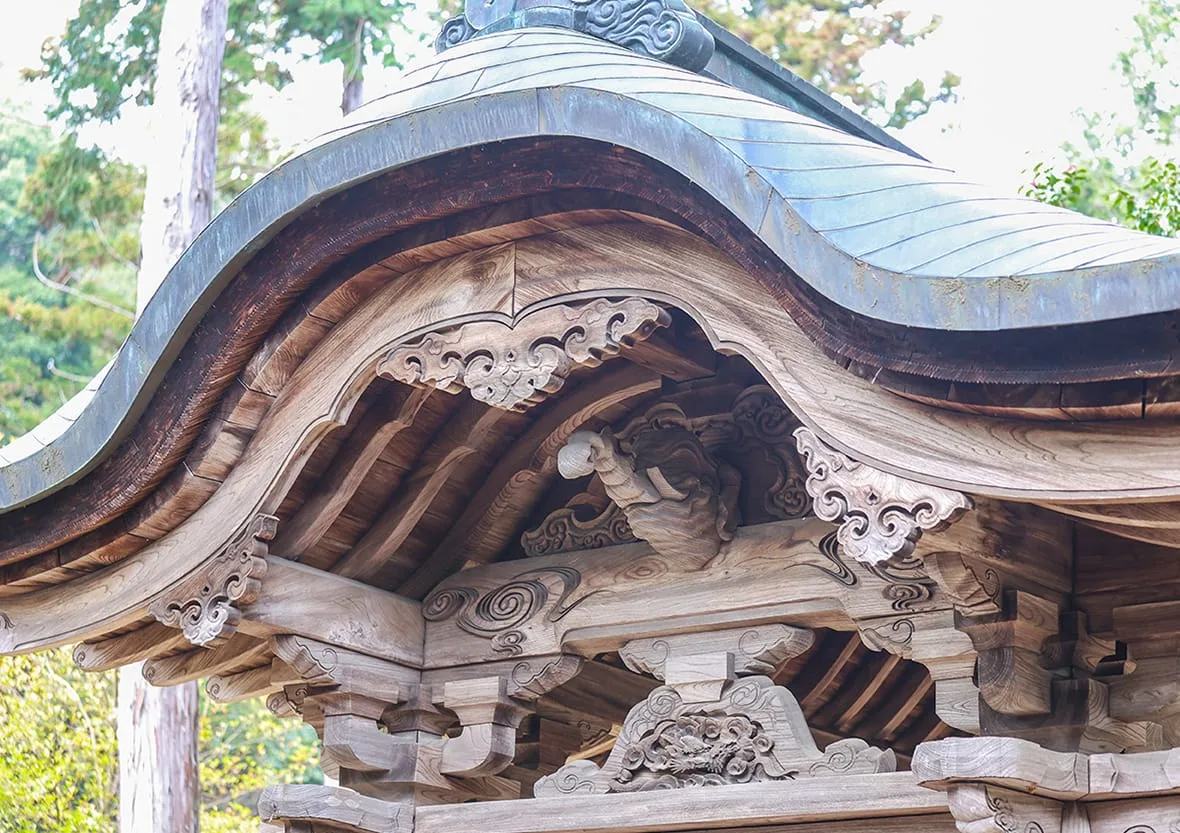
This bell tower is believed to have been built in the mid-17th century. It features elephant trunk-shaped decorations and is thought to have been constructed by the Matsue Domain's construction office. It was moved to its current location during the Taisho era's renovation of the temple grounds.
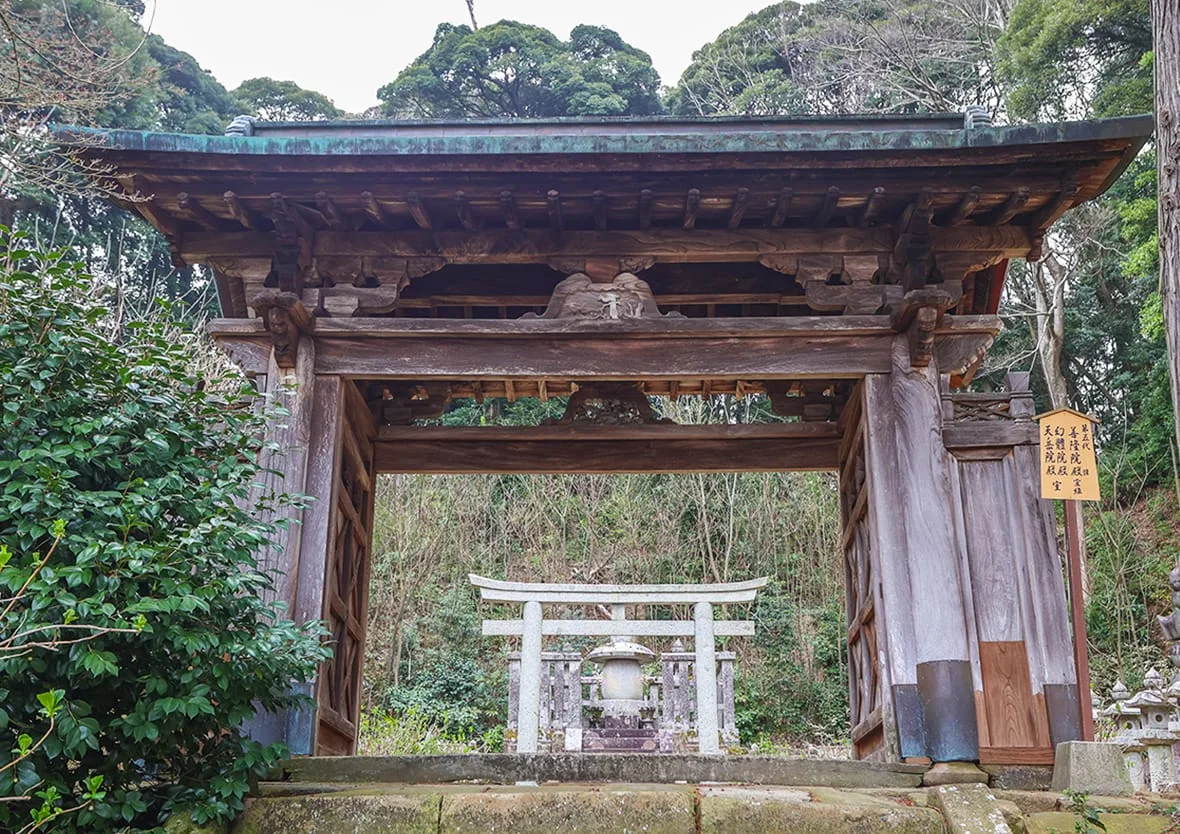
Shimane Prefecture Designated Cultural Property
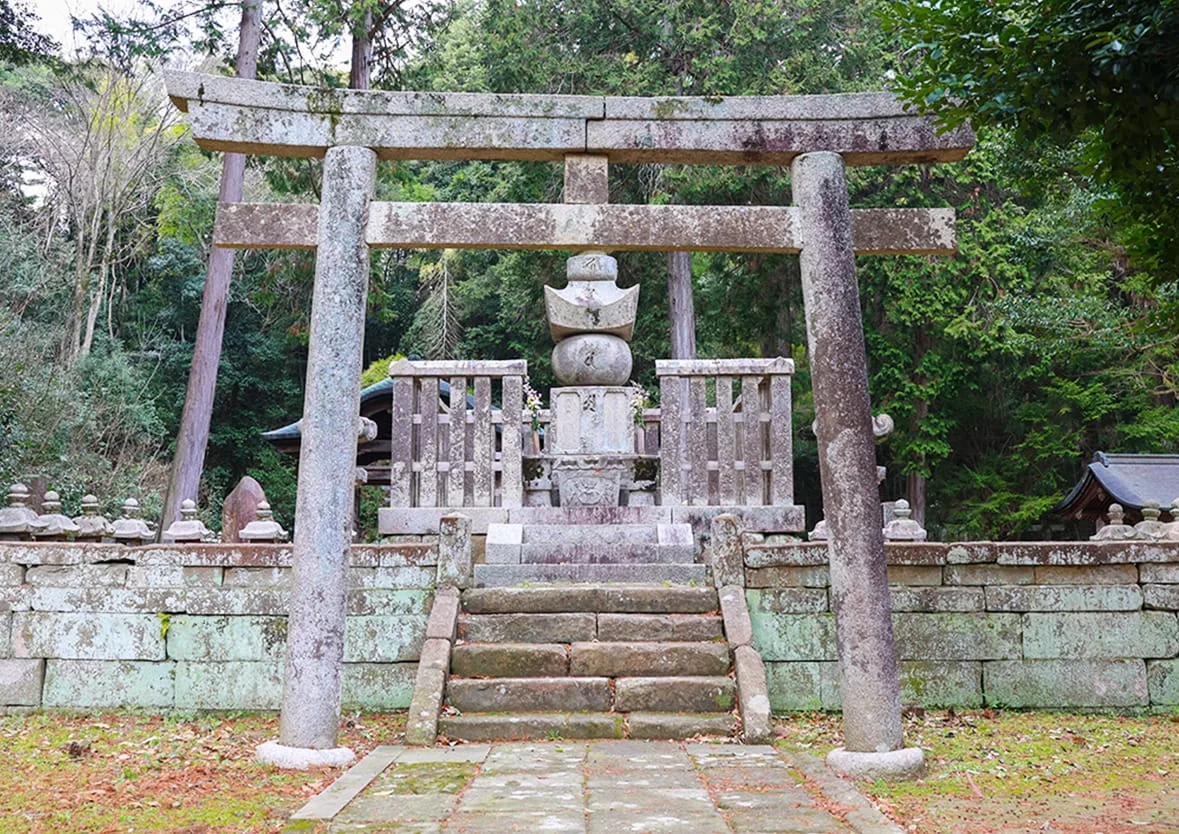
Grave of Lord Naomasa (First Lord)
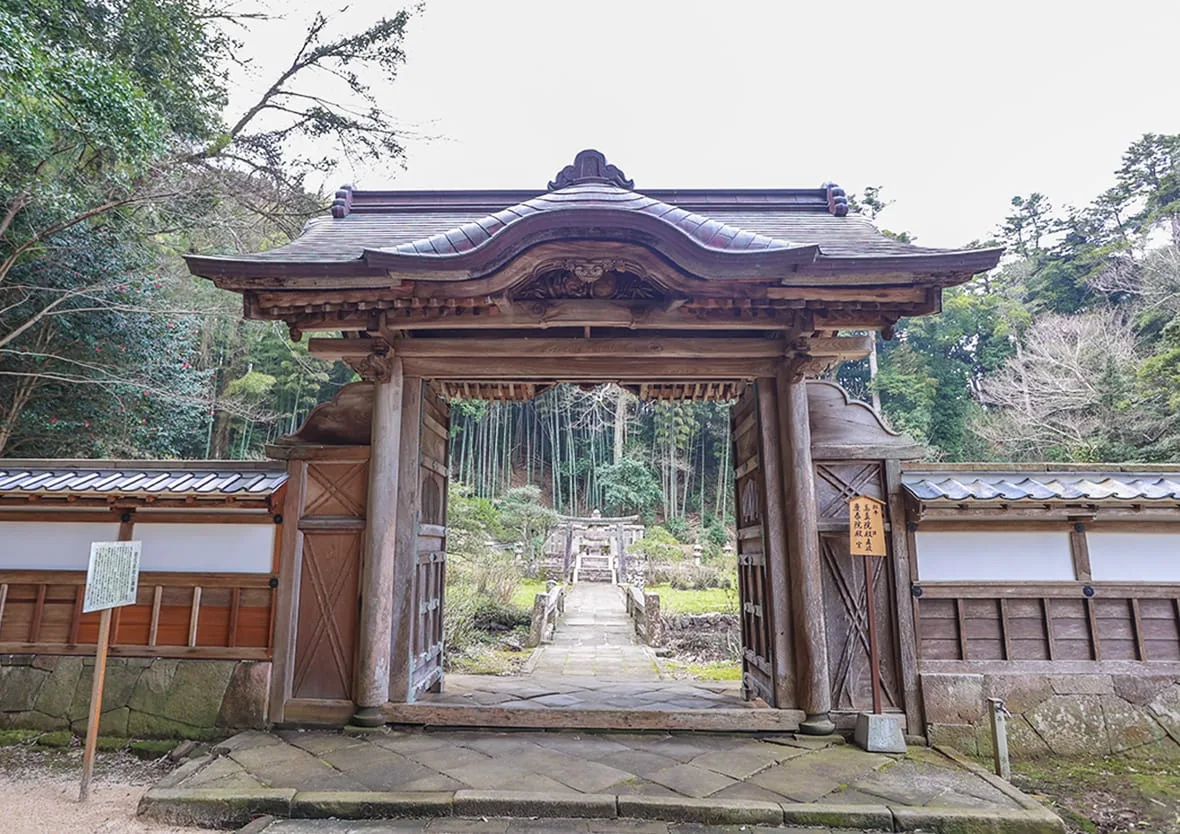
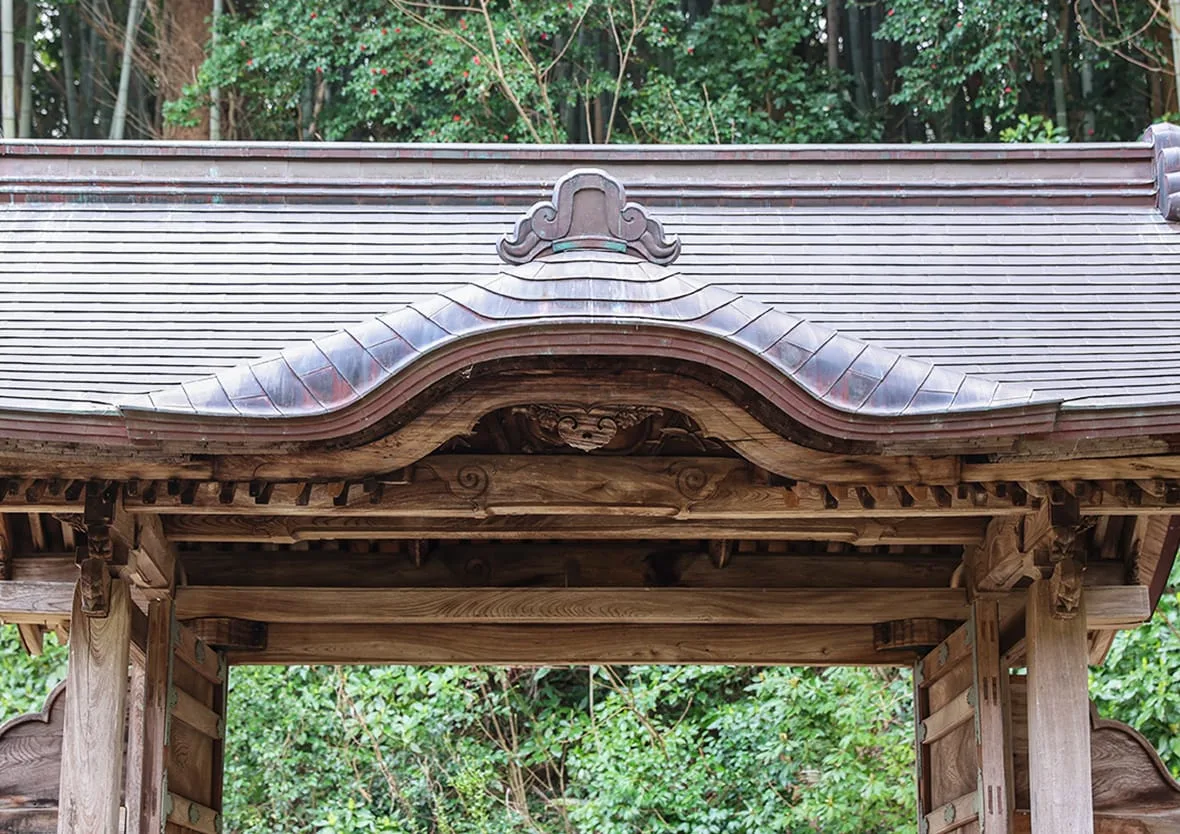
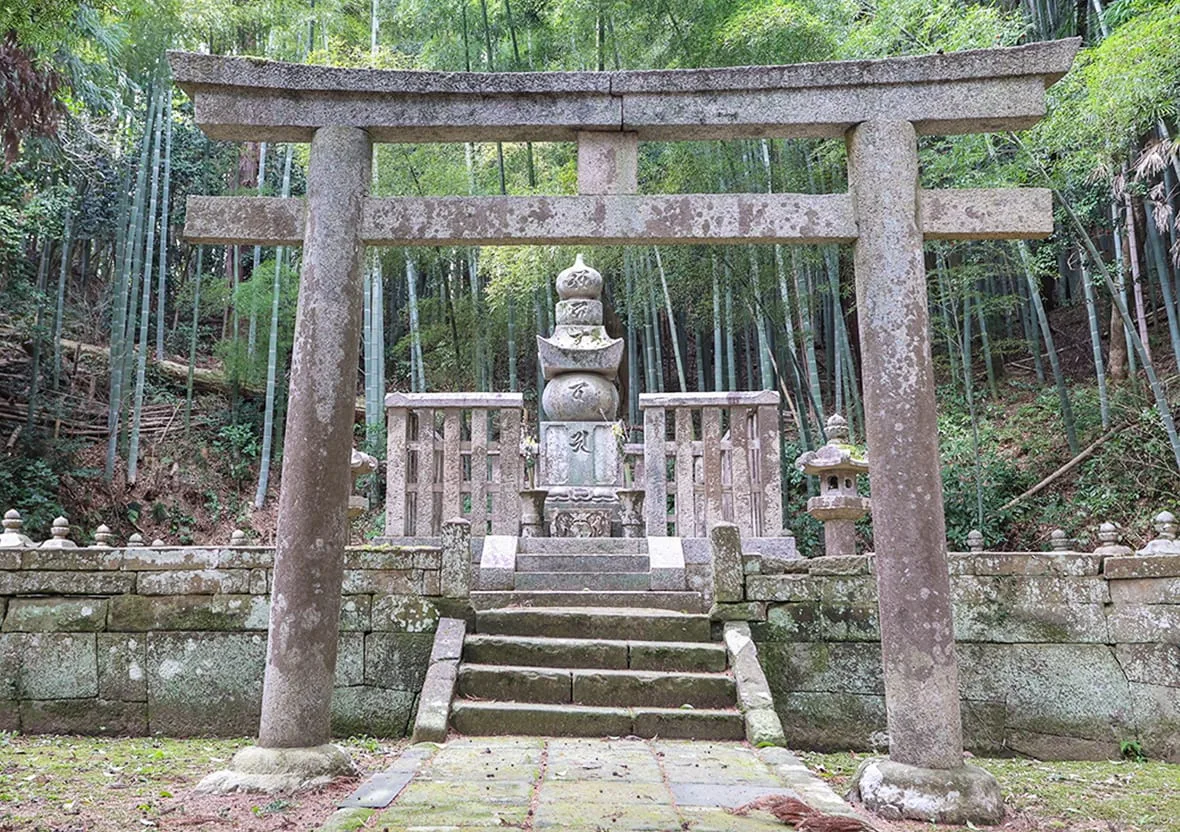
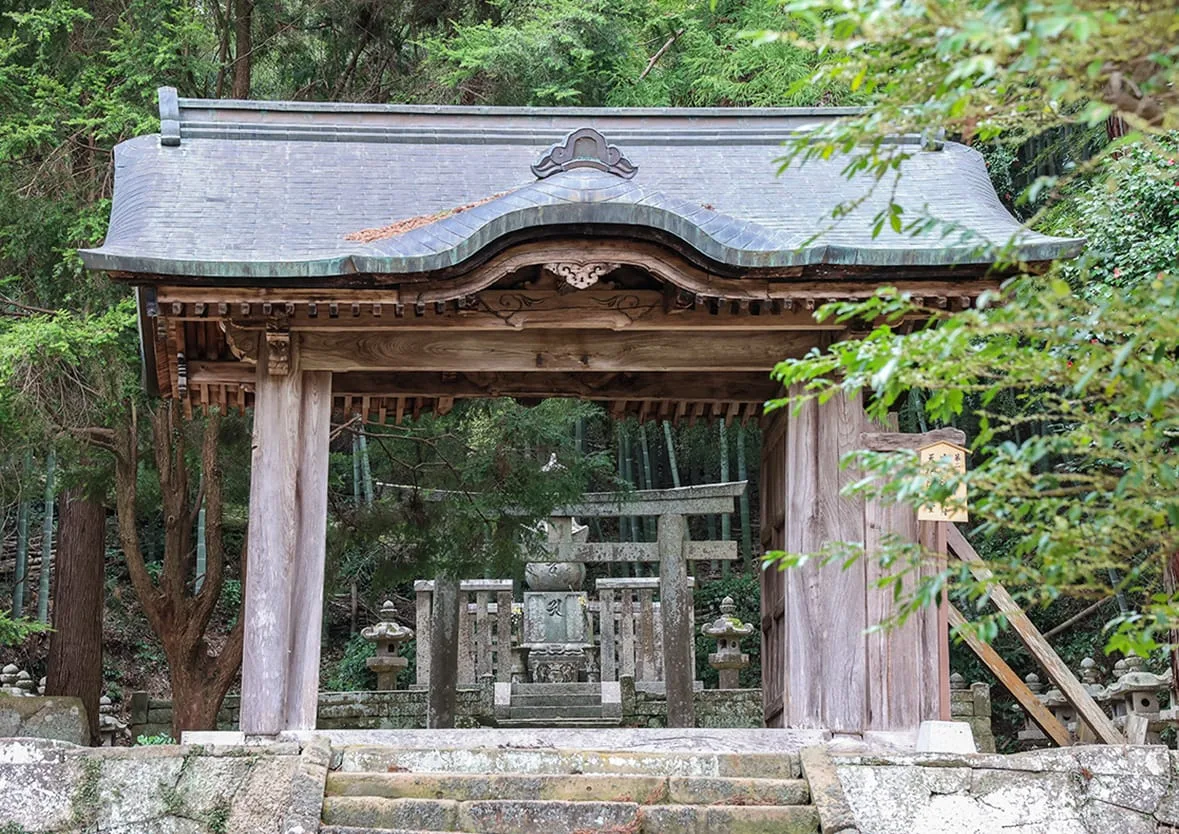
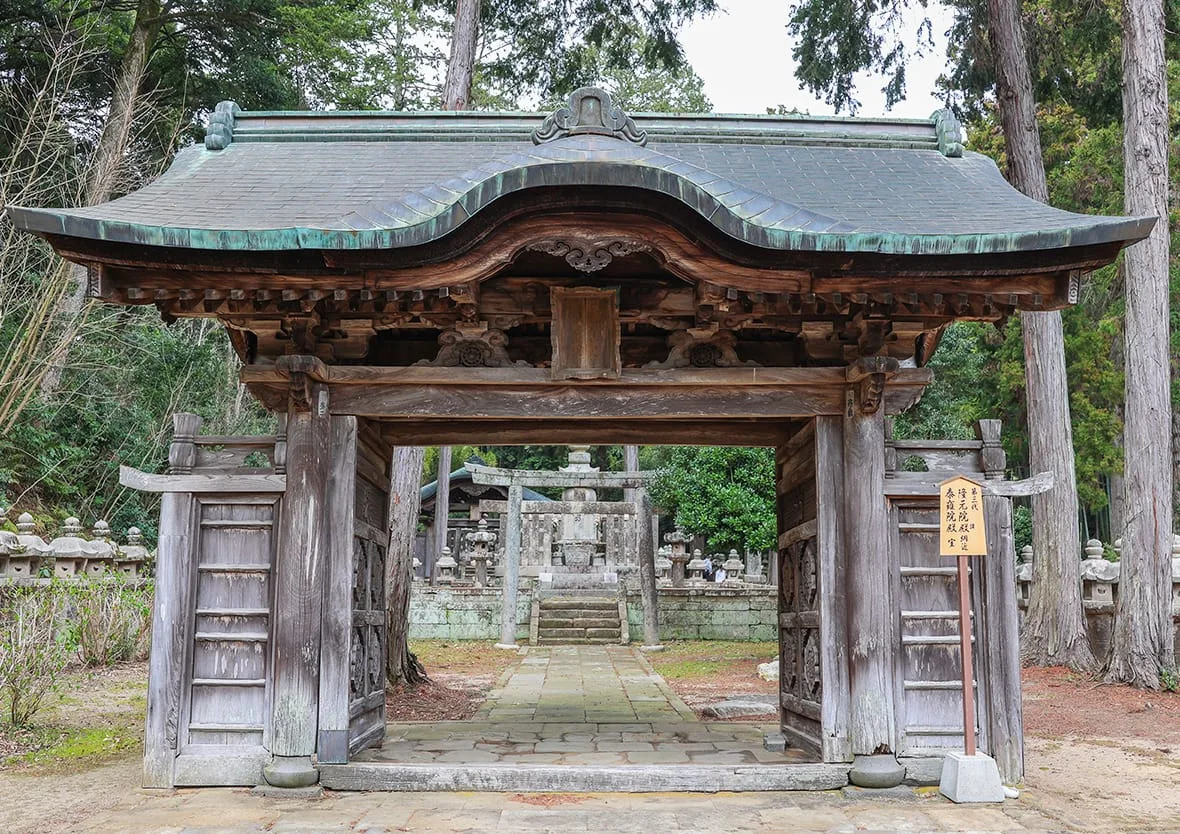
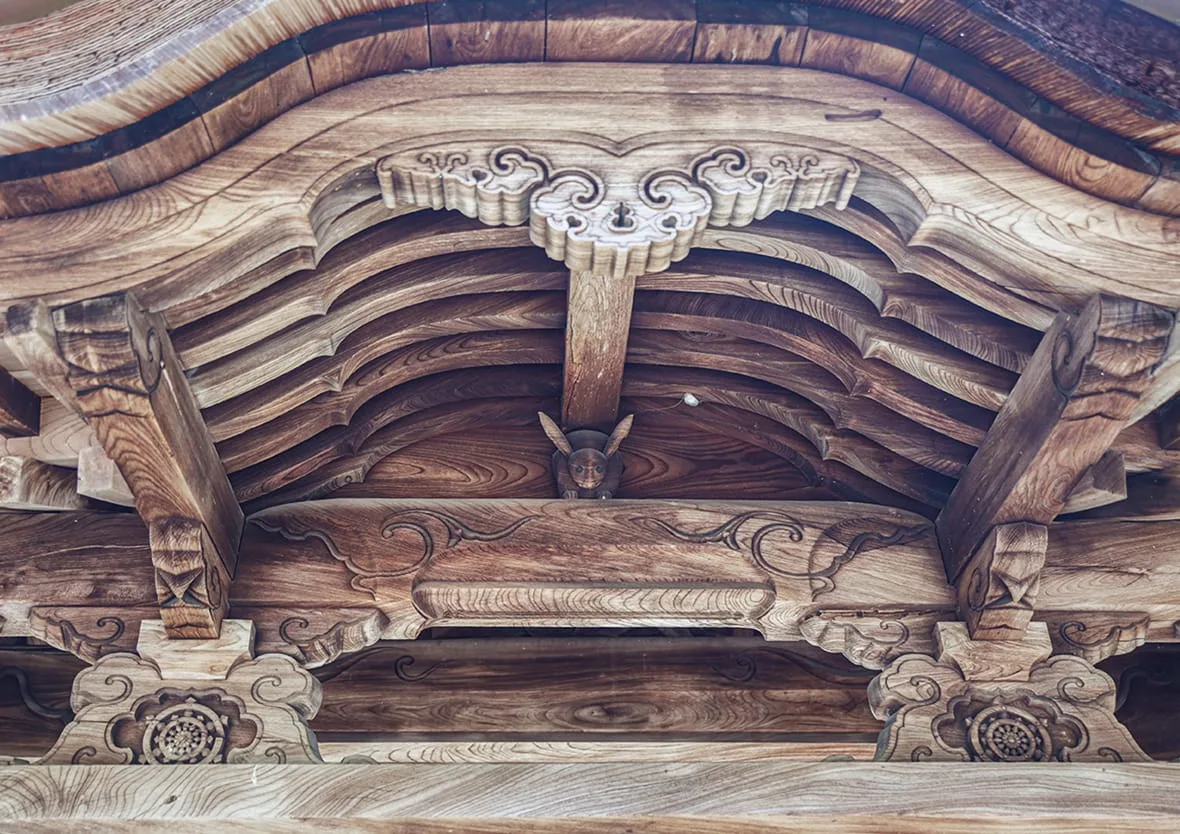
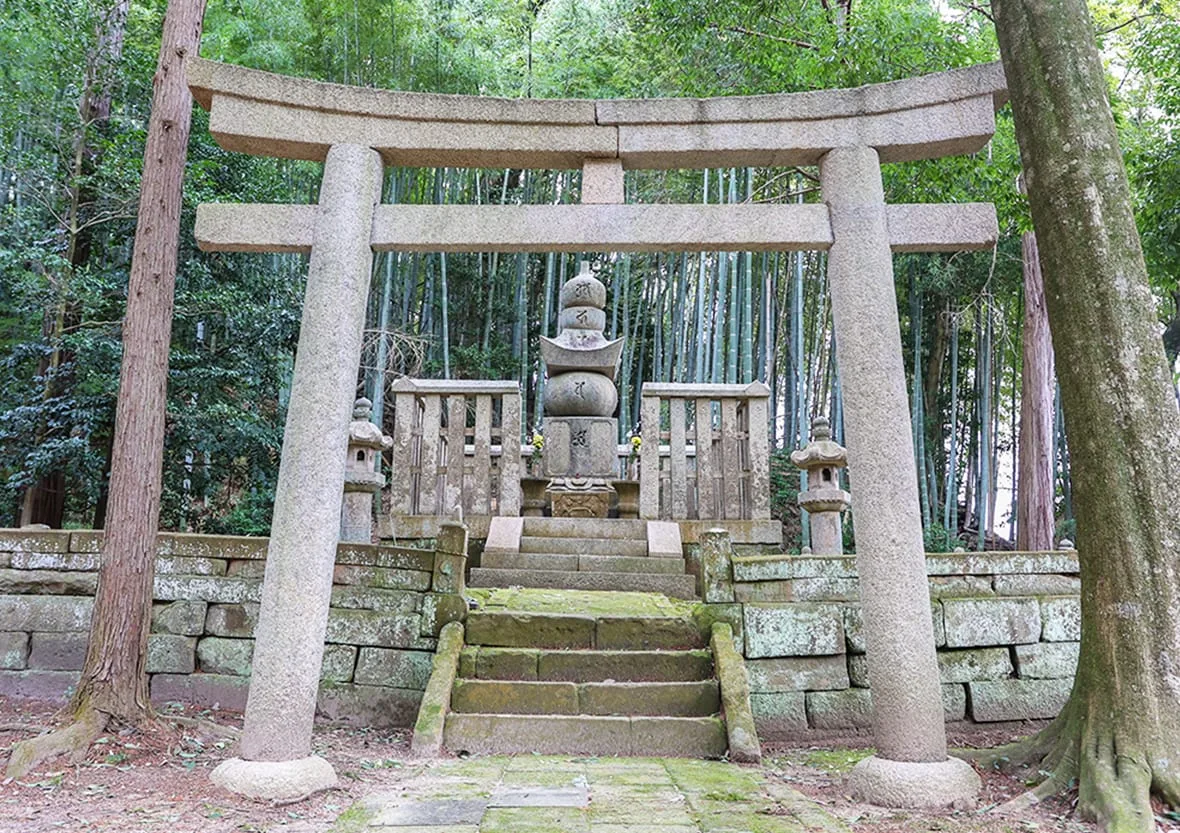
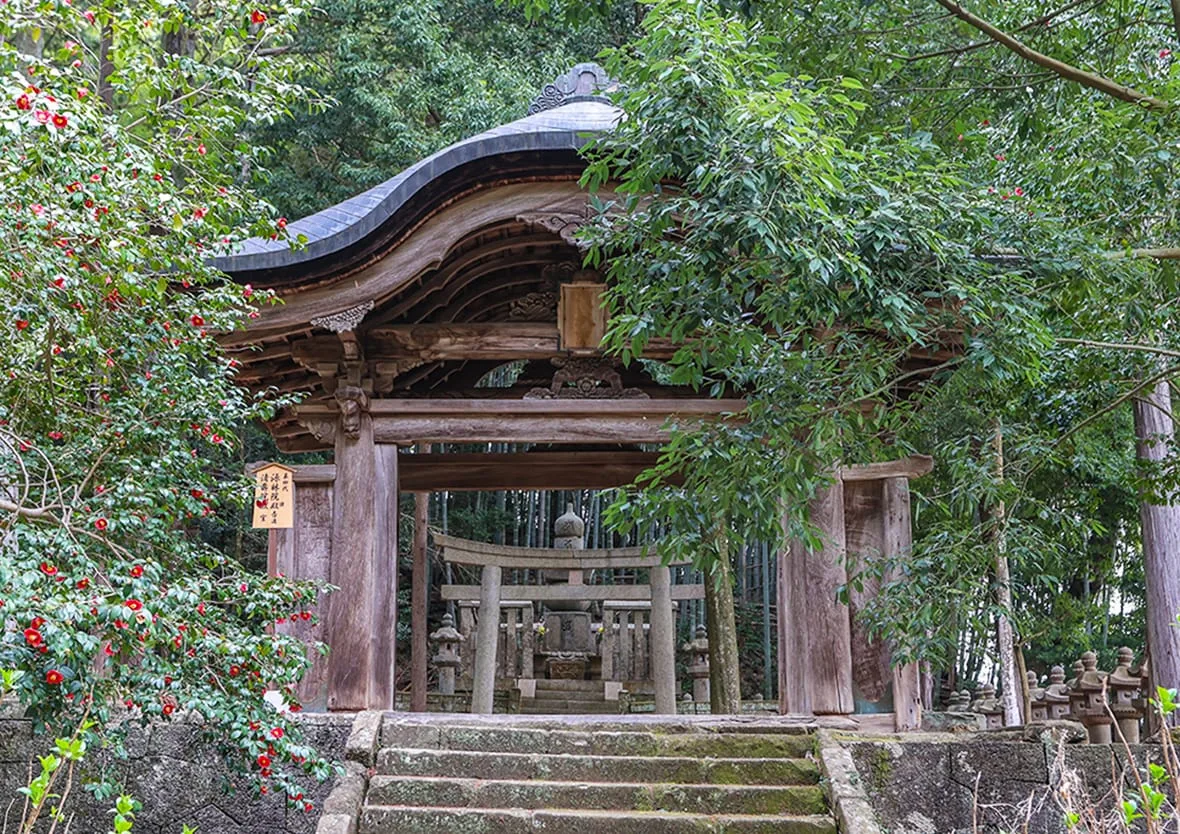
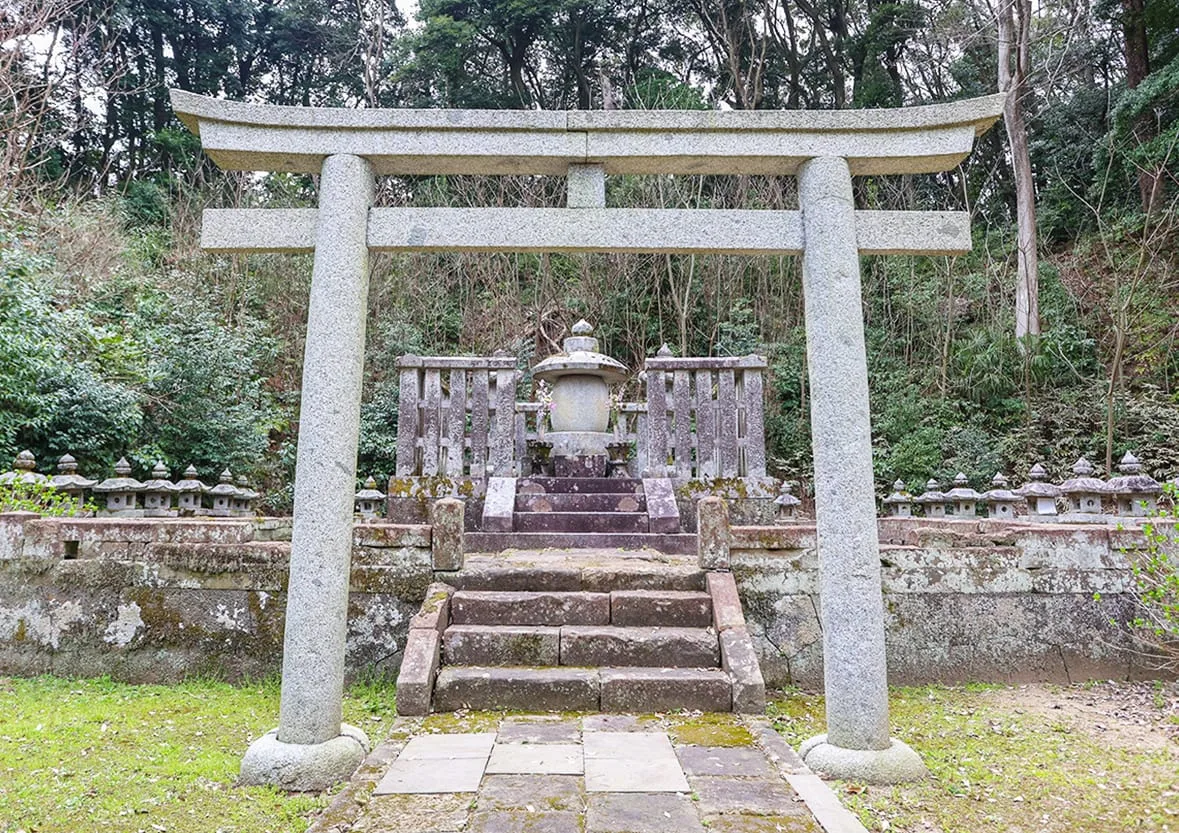
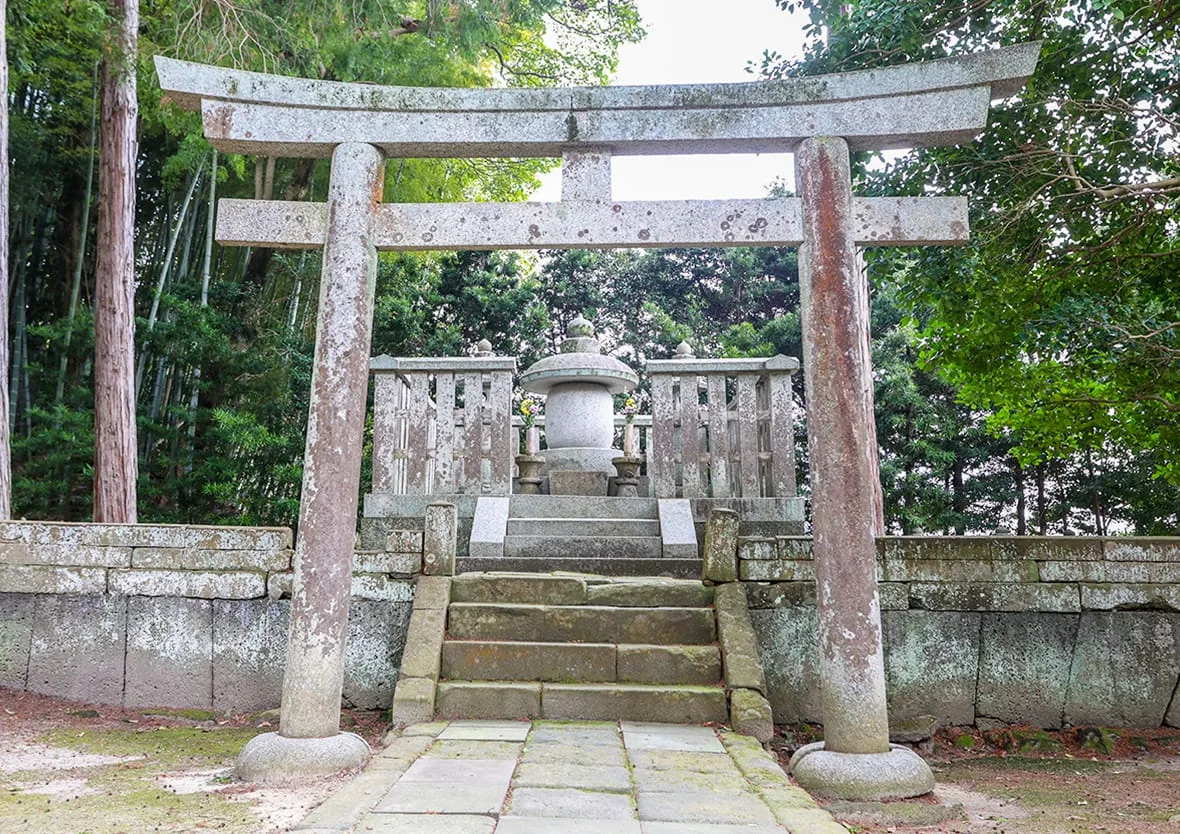
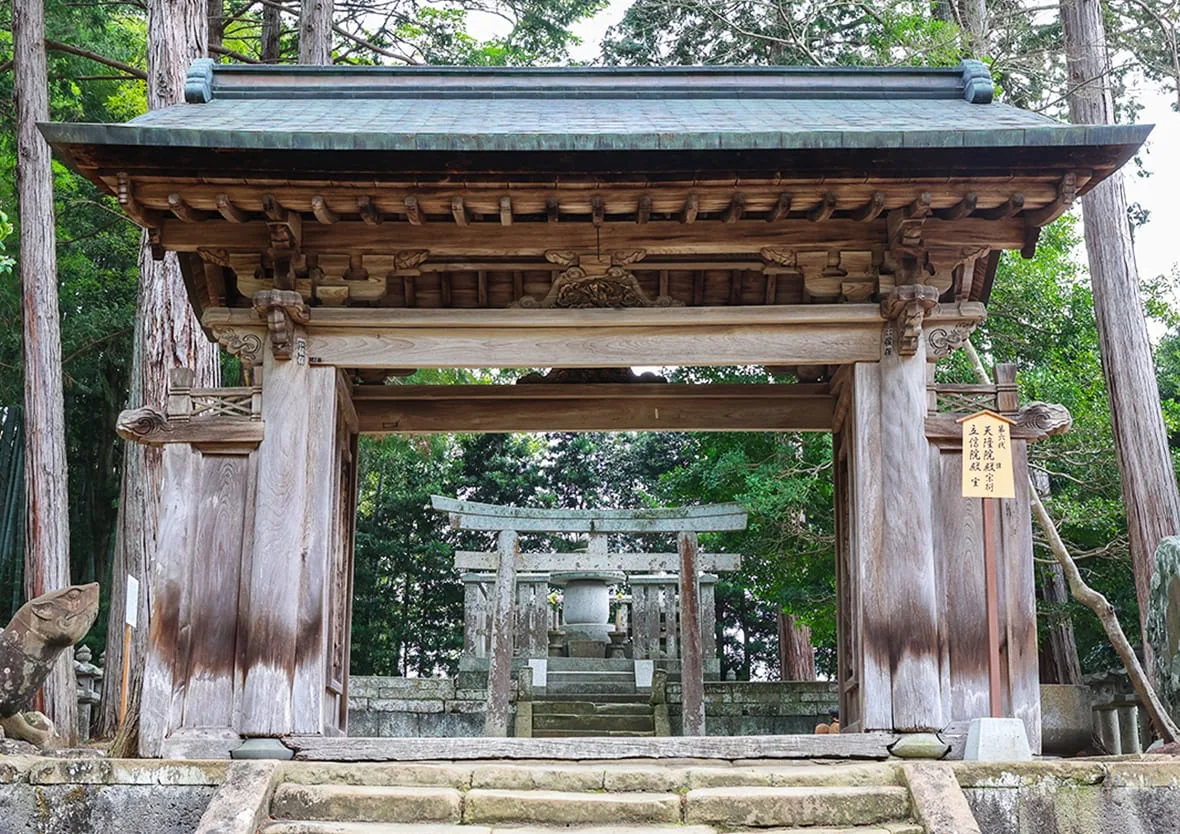
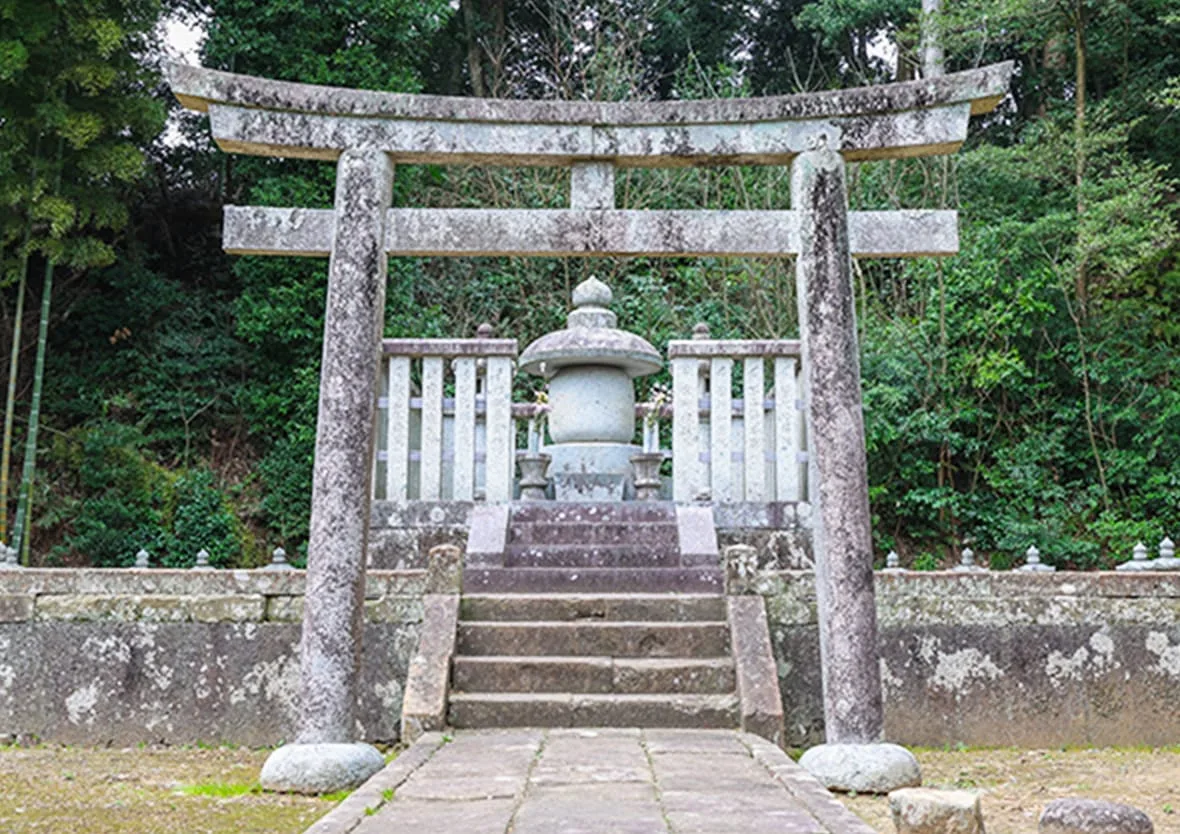
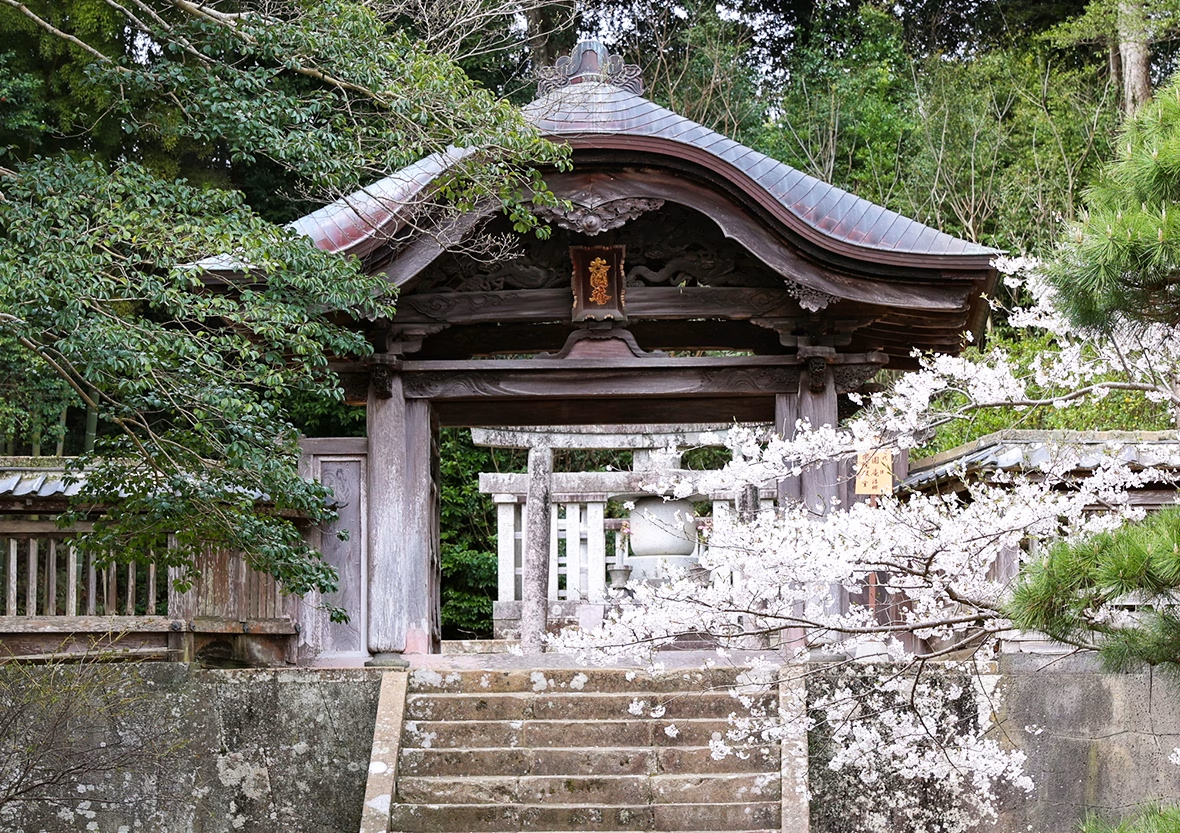
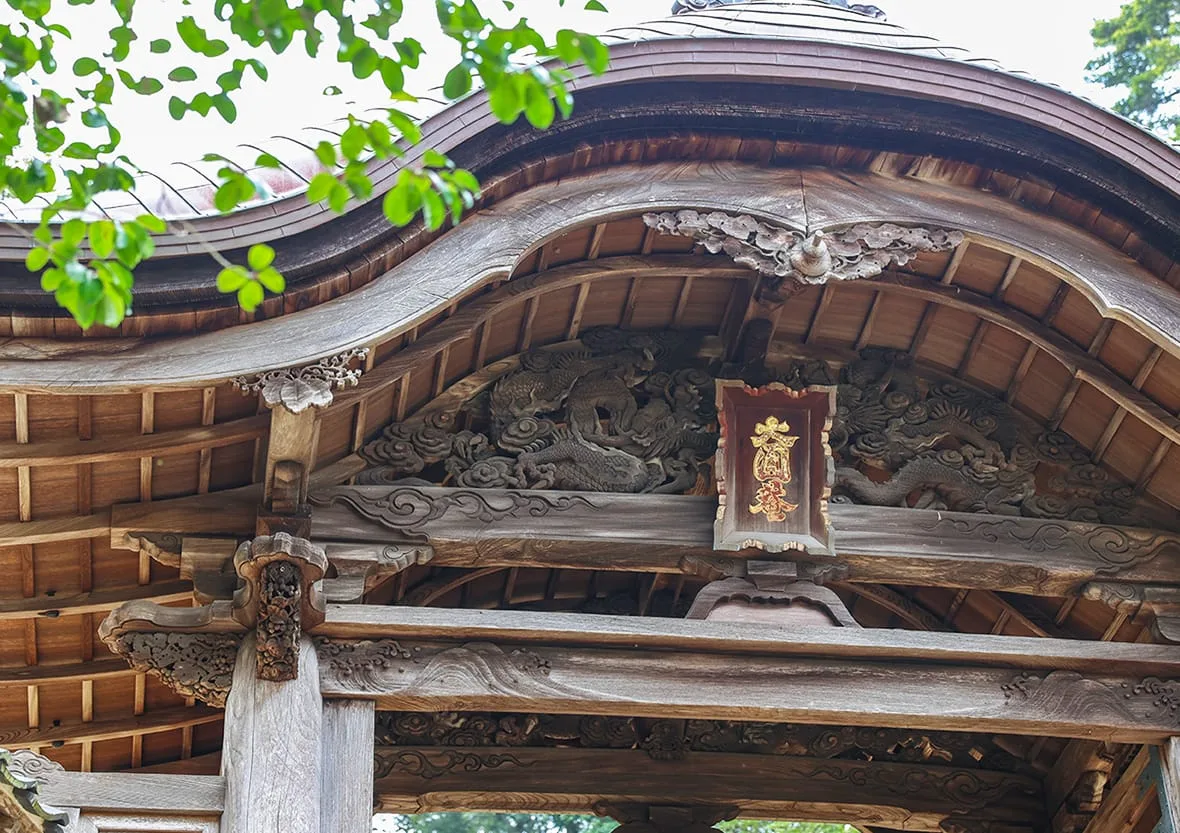
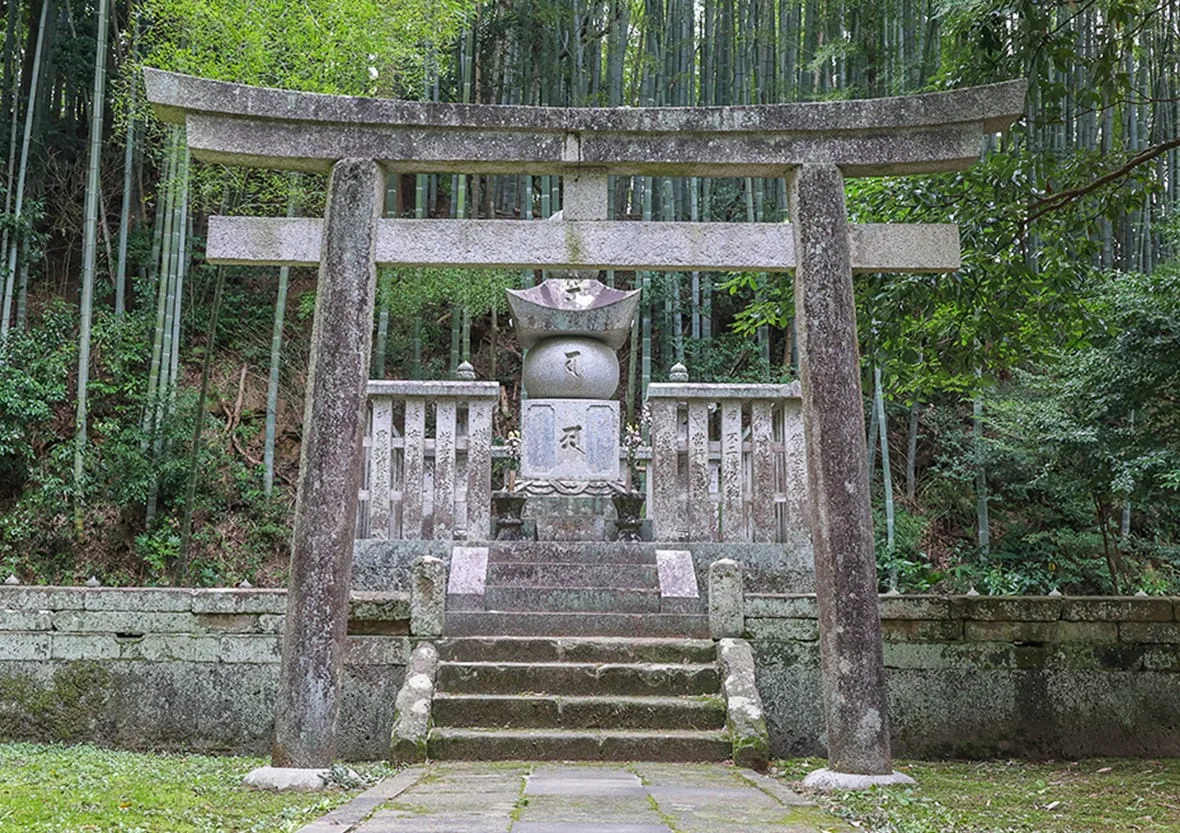
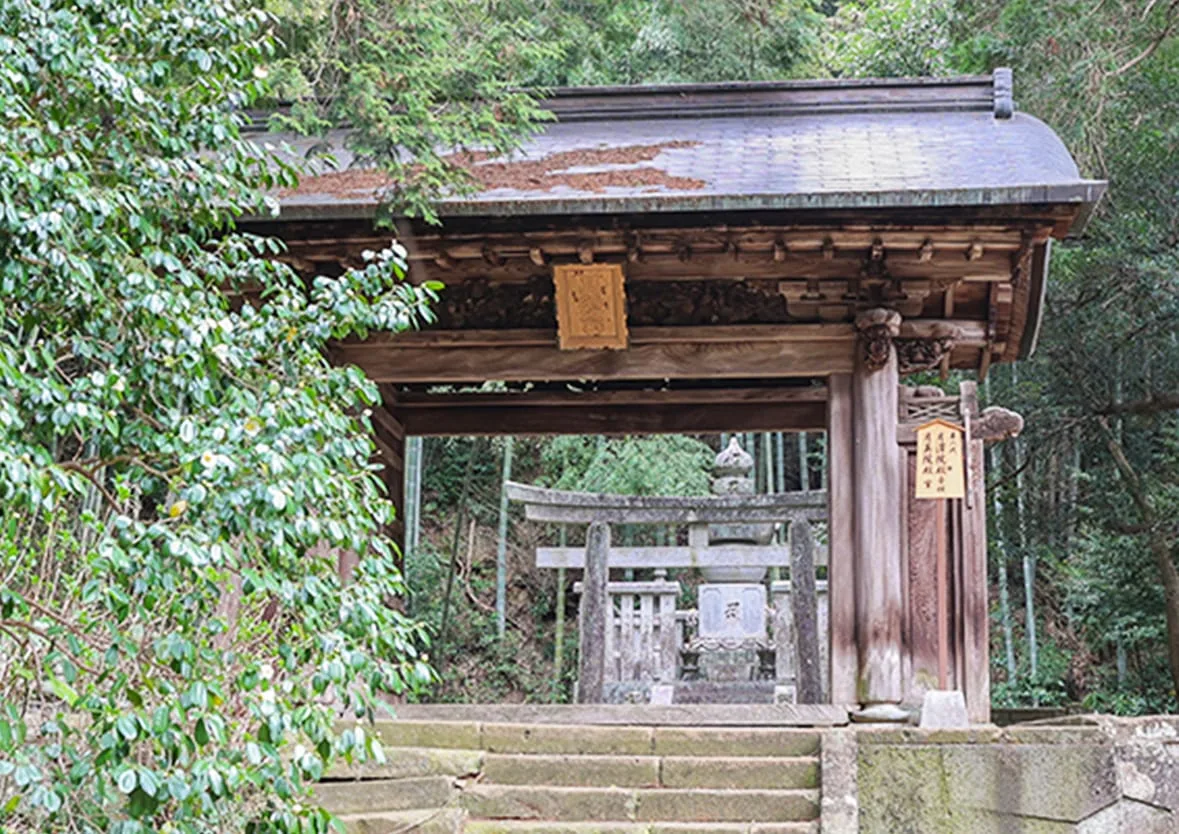
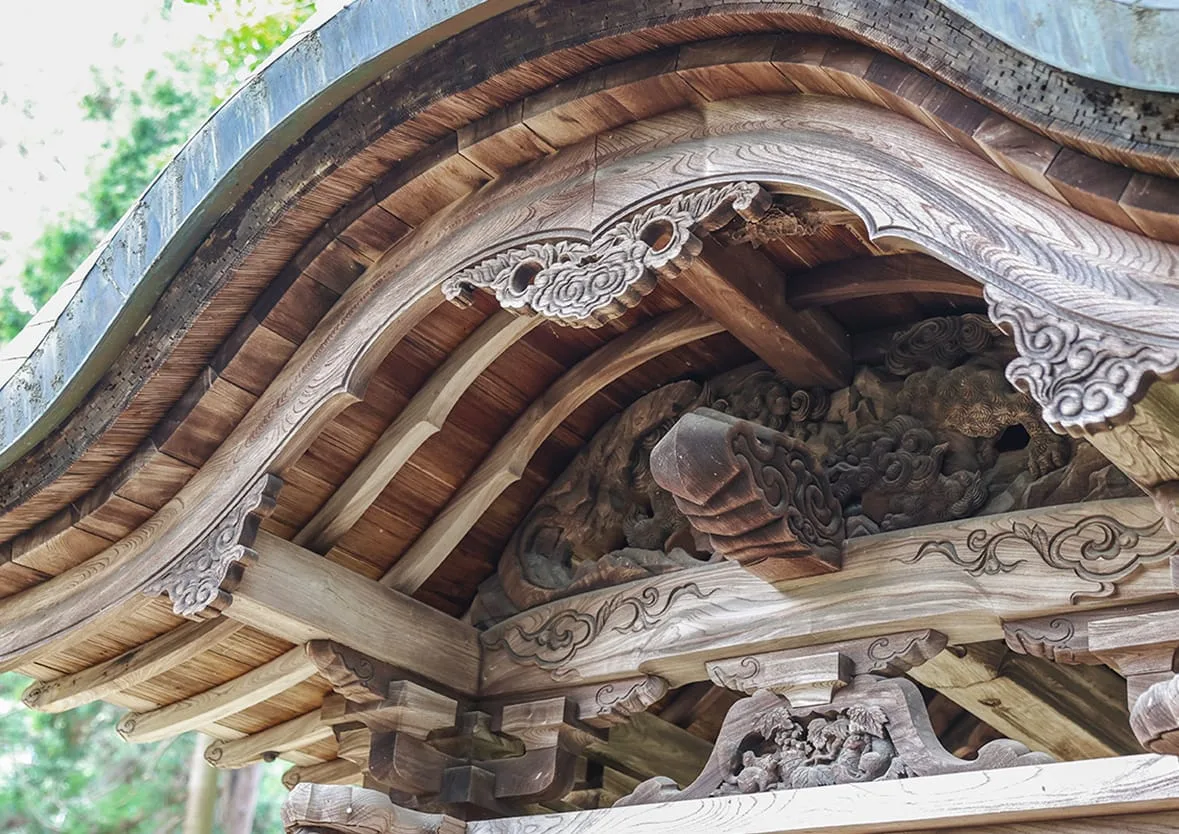
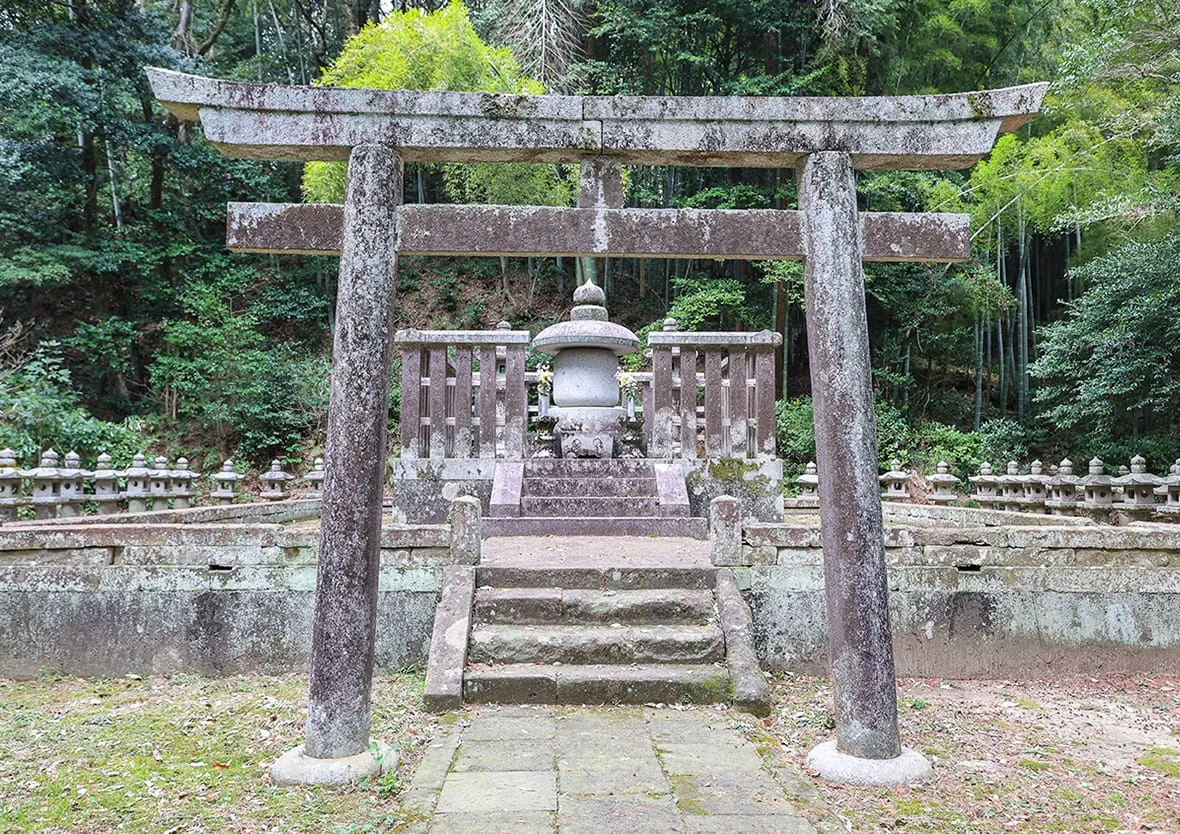
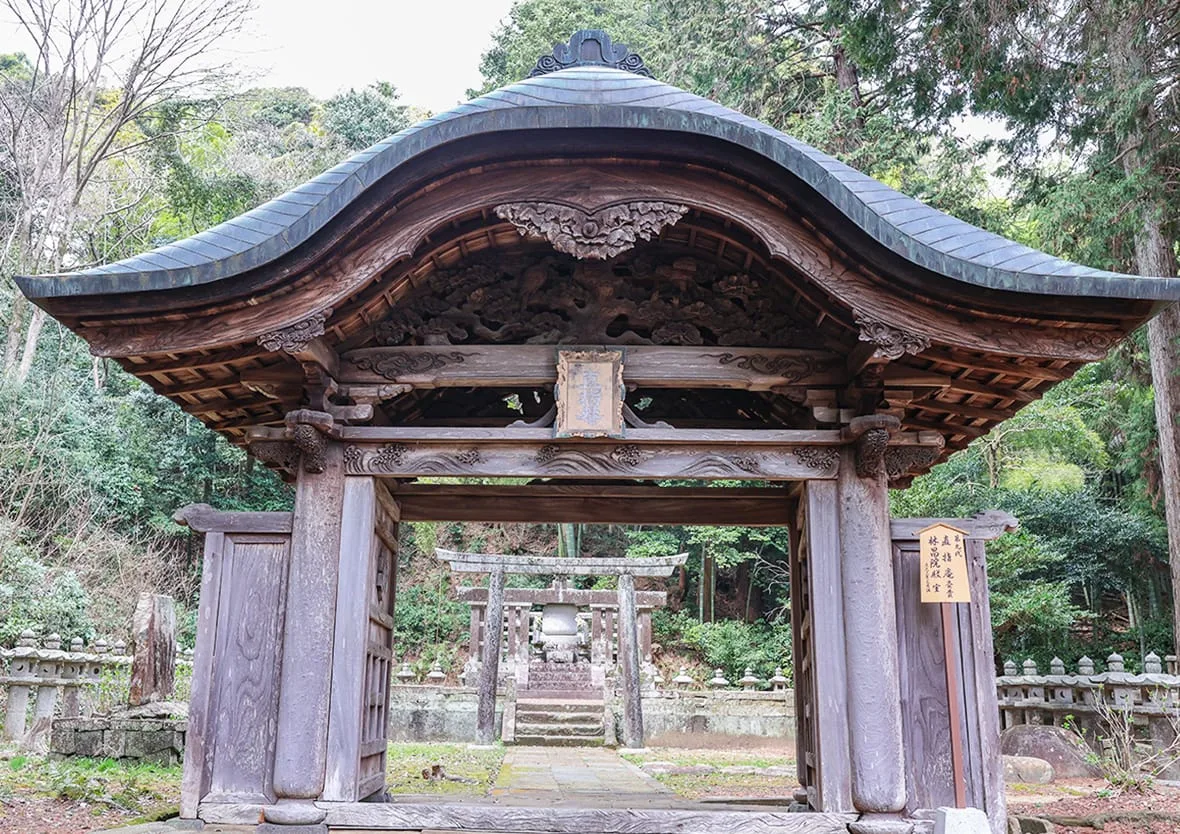
This is the mausoleum of Matsudaira Naomasa, built in 1679. The mausoleum gate is a Shimane Prefecture designated cultural property, and the curved gable roof is adorned with intricate carvings of tigers and bamboo, conveying a sense of high status. Naomasa, the first lord of the Matsue Domain, was a grandson of Tokugawa Ieyasu and a man of great military prowess. There is an anecdote that he distinguished himself in the Siege of Osaka and was praised for his fighting skills by Sanada Yukimura. In addition, he was involved in the construction of the Hinomisaki Shrine and Izumo Taisha Shrine in the administration of the domain, and is known as a wise ruler who valued faith.
He passed away in the Edo clan residence in 1666.
Grave of Lord Tsunataka (Second Lord)
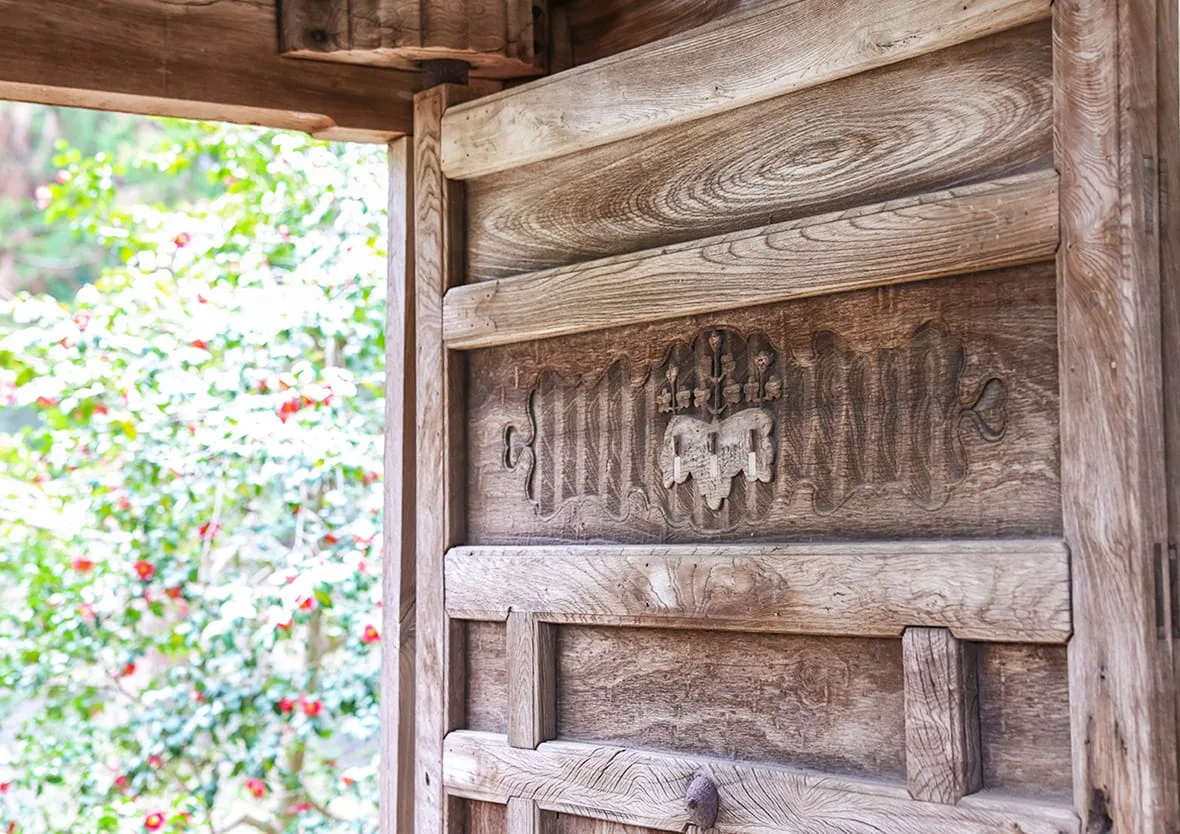
This mausoleum was built in 1676. The curved gable roof is adorned with carvings of the paulownia crest, and while it possesses a dignified appearance, it is somewhat simpler in construction than the mausoleum gate of the first lord, Naomasa. Lord Tsunataka excelled in literature and arts, and was particularly talented in painting, studying under Kano Eiun and leaving behind many works. He was also the person who officially designated Gesshoji Temple as the family temple of the Matsue domain and proceeded with its development.
He passed away suddenly in 1675 at the age of 44.
Grave of Lord Tsunachika (Third Lord)
This mausoleum was built in 1710. It is a single-bay structure with a gable roof, and the curved gable roof is adorned with a dragon carving. Lord Tsunachika inherited the family headship at the age of 17 and dedicated himself to stabilizing the domain's administration. He promoted agricultural policies and encouraged the cultivation of lacquer, mulberry, and paper mulberry. He also developed Koshihara, laying the foundation for its later use as a cultivation area for medicinal ginseng. However, he also faced repeated floods and financial difficulties for the domain. After losing his sight, it is said that he loved peonies and found solace in enjoying their fragrance.
He passed away in 1709 at the age of 51.
Grave of Lord Yoshito (Fourth Lord)
This mausoleum was built in 1707. It has the structure of a Chinese-style gate, and the brackets are adorned with carvings of six hollyhocks and paulownia crests. Lord Yoshitaka succeeded his older brother, Lord Tsunachika, and became the lord of the domain in 1704, but he died suddenly in Edo the following year from illness. Although his reign was short, he played a role in stabilizing the Matsue domain and continuing the domain administration that his father and brother had promoted.
He passed away in 1705 at the age of 38.
Grave of Lord Nobuzumi (Fifth Lord)
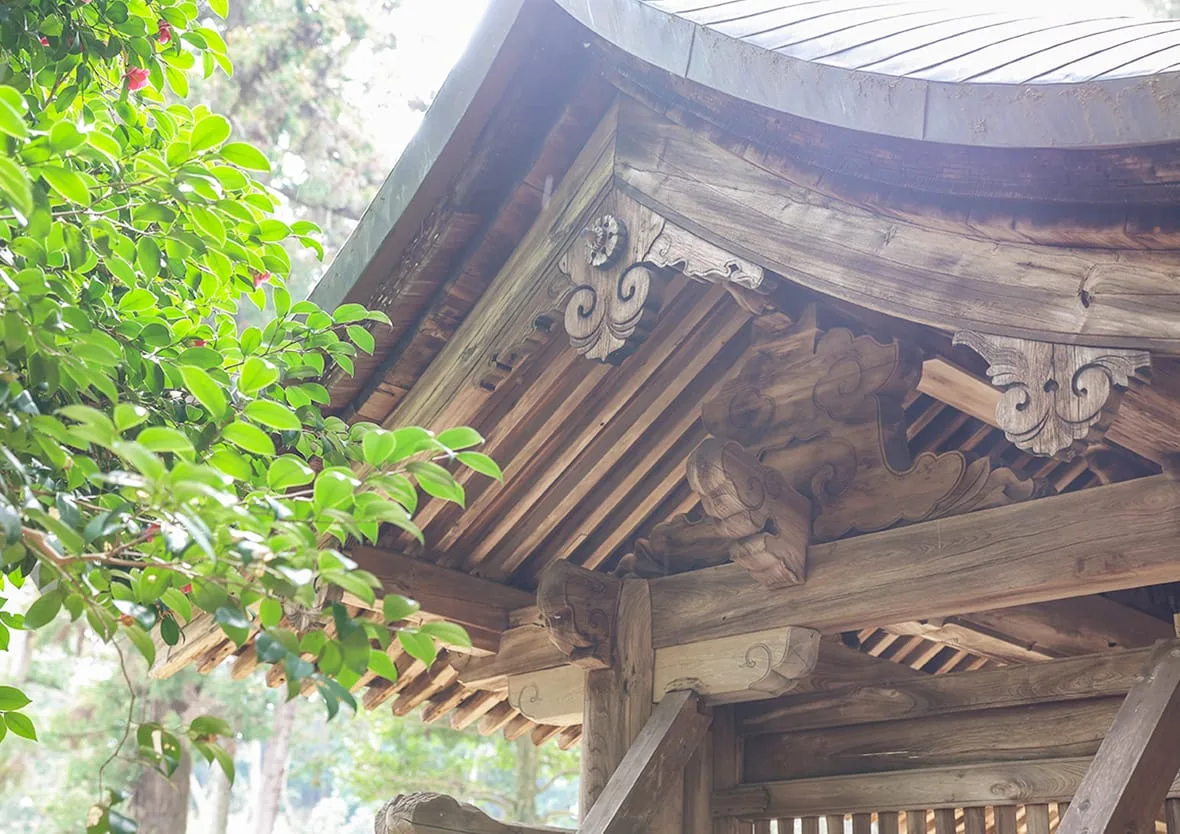
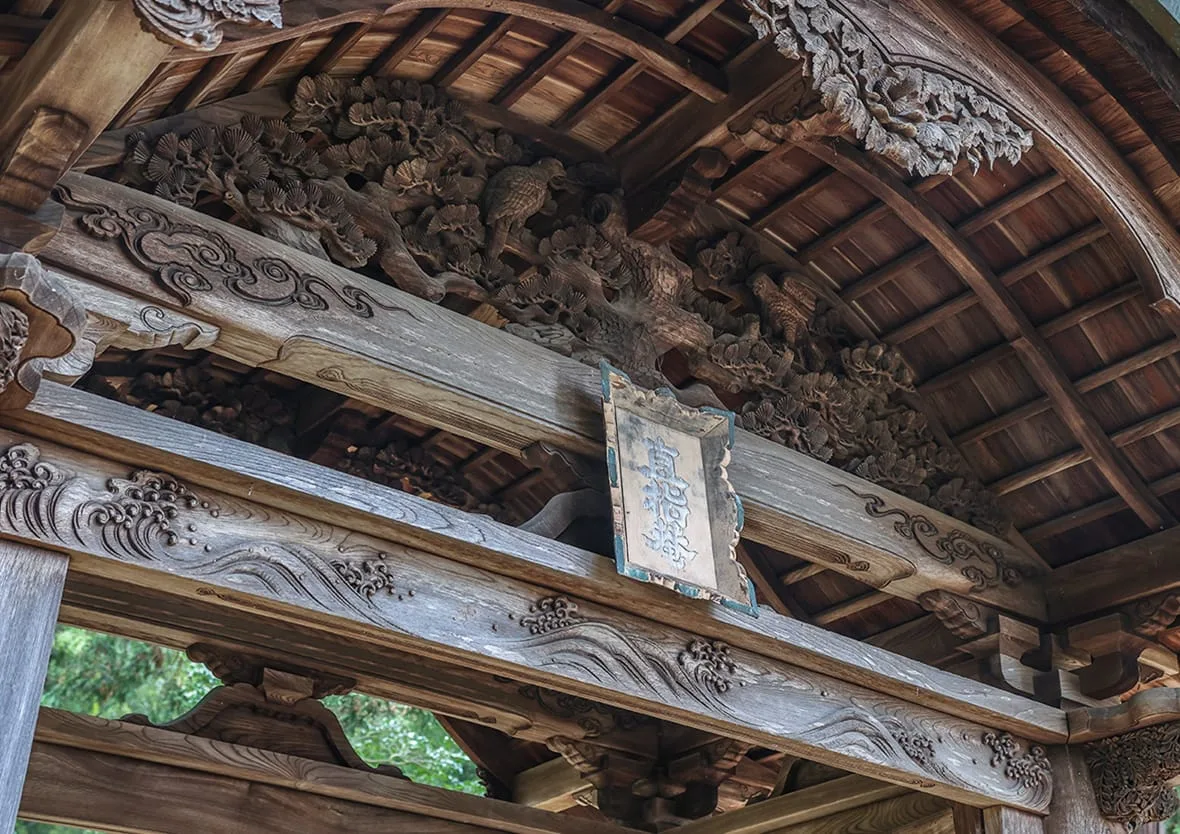
This mausoleum was built in 1731. It features carvings of waterfowl and elephant trunks, showcasing advanced carpentry skills. Lord Nobuyoshi became the lord of the domain at the age of eight in 1705 and dealt with numerous natural disasters and threats from foreign enemies. In particular, he worked to strengthen defenses against the persistent appearance of foreign ships around Mihonoseki, including carrying out cannon fire with the permission of the shogunate. In 1720, he resumed the rule of Oki and established a defense system for the domain.
He passed away in 1731 at the age of 34.
Grave of Lord Munenobu (Sixth Lord)
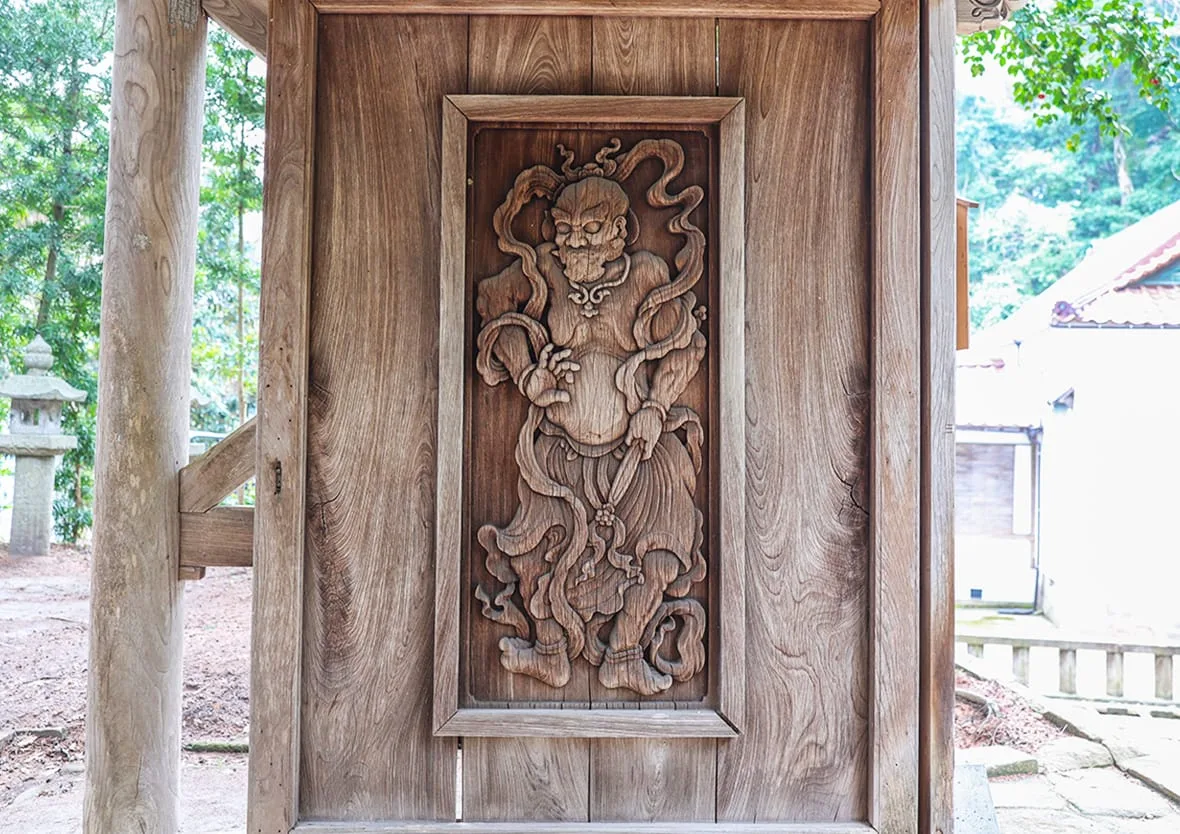
This mausoleum is believed to have been built after his death. It features relief carvings of elephant trunks and Nio statues, and shares the same structure as the mausoleum gate of the fifth lord, Nobuyoshi. Lord Muneyoshi was born in 1729 and became lord of the domain at the age of 16. At that time, the Matsue domain was facing serious financial difficulties, and implemented economic policies known as the "Enkyo Reforms." He introduced domain-run financial institutions and industrial promotion measures to revitalize the economy. However, large-scale construction orders from the shogunate placed a heavy burden on the finances, and the reforms failed.
Later in life, he retired to Edo and never returned to Matsue, passing away there in 1782 at the age of 54.
Shimane Prefecture Designated Cultural Property
Grave of Lord Harusato (Seventh Lord of Matsue, Lord Fumai)
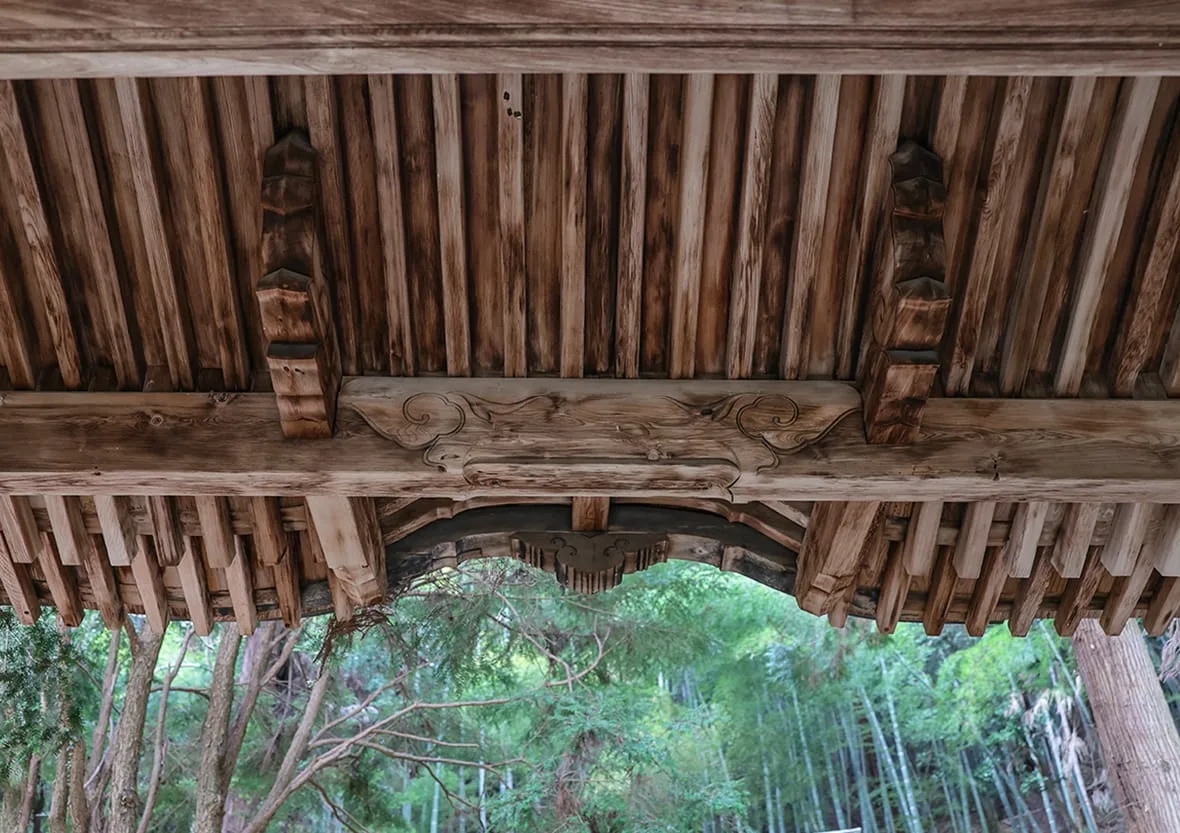
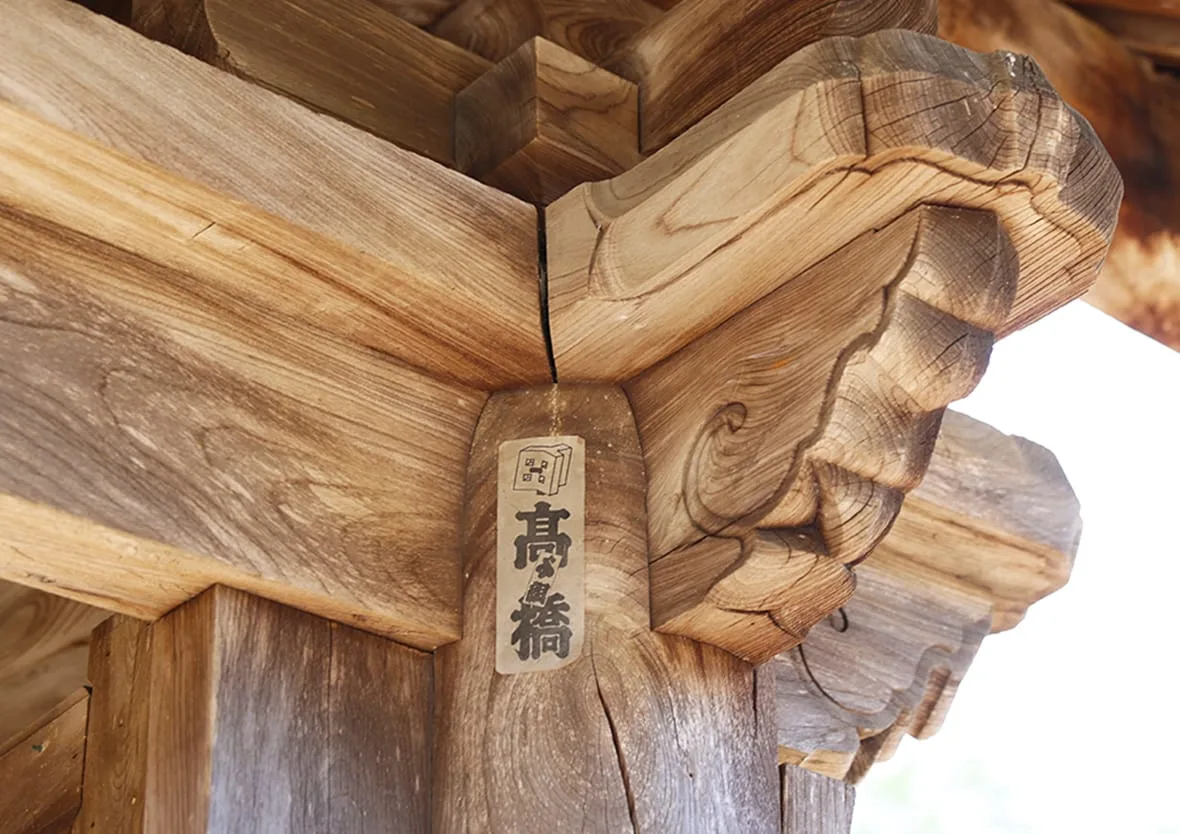
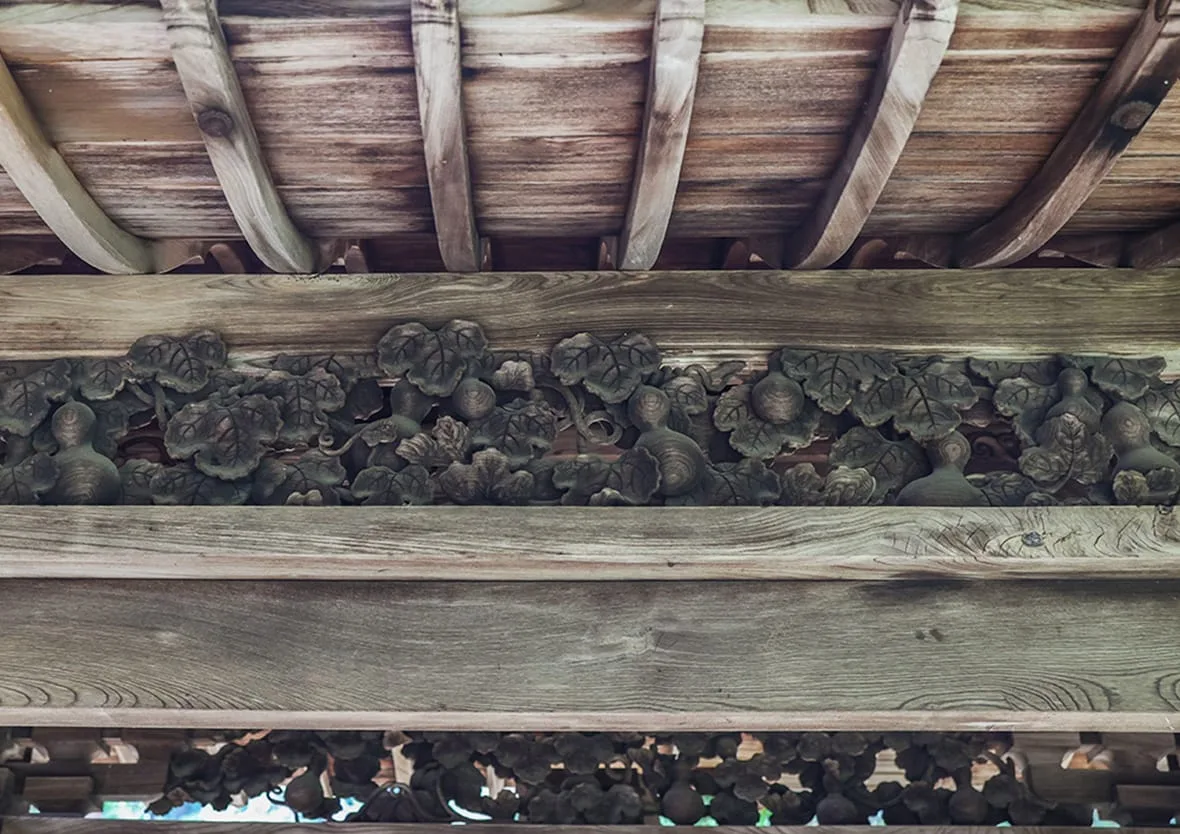
This mausoleum was built in 1819. The mausoleum gate is a Shimane Prefecture designated cultural property, and the tie beam is adorned with a grape carving, said to be the work of Kobayashi Jōdei. Lord Harusato was born in 1751 and became the lord of the domain at the age of 17. He was well-versed in the tea ceremony and established the "Fumai-ryu school of tea ceremony." He left his name as Lord Fumai and contributed to the development of tea ceremony culture. In addition, he implemented austerity measures in the domain's administration to rebuild the domain's finances.
He passed away in 1818 at the age of 68 in Ōsaki, Edo.
Grave of Lord Naritsune (Eighth Lord)
This mausoleum was built in 1823. It is characterized by its ornate design, featuring carvings of peonies, gourds, squirrels, and Chinese lions. Lord Narihisa was born in 1806 and became the lord of the domain at the age of 16. Influenced by Lord Harusato, he excelled in the tea ceremony and calligraphy, and adopted the name Hyoan Gettan. He also worked to strengthen military capabilities in order to deal with the appearance of foreign ships in Oki.
He passed away in 1822 at the age of 32.
Grave of Lord Nariyoshi (Ninth Lord)
This mausoleum is believed to have been built after his death. The front of the upper part of the rainbow beam on the gable end features a carving of a hawk on a pine tree, reflecting Lord Saisai's fondness for falconry. Born in 1815, he became the lord of the domain in 1822. In his domain administration, he completed the "Izumo version of the Engishiki" and contributed to cultural projects, such as reprinting 100 volumes of the "Nanshi" by order of the shogunate. He also devoted himself to civil engineering projects, advancing the construction of the Shinkawa River in Hikawa District. While he was interested in Western culture, there are also anecdotes that he was fond of millet rice and simmered daikon radish.
He passed away in 1863 at the age of 49.
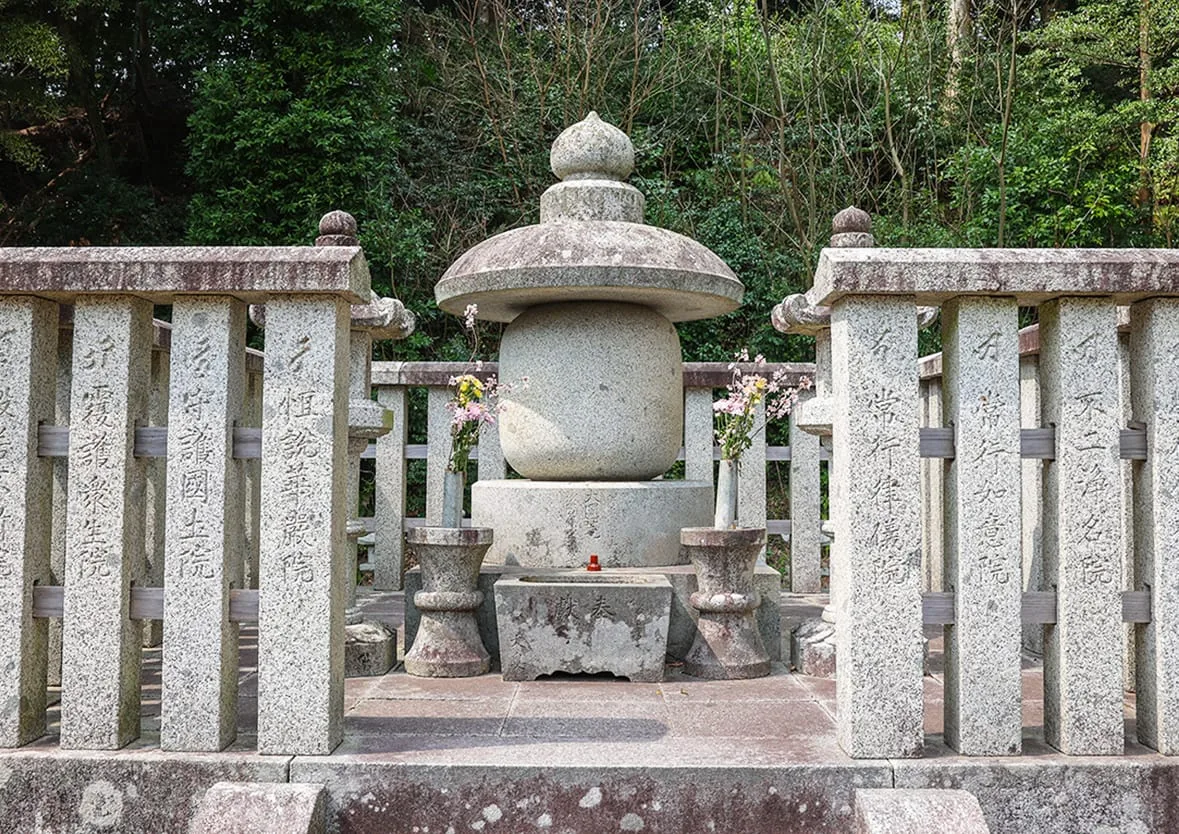
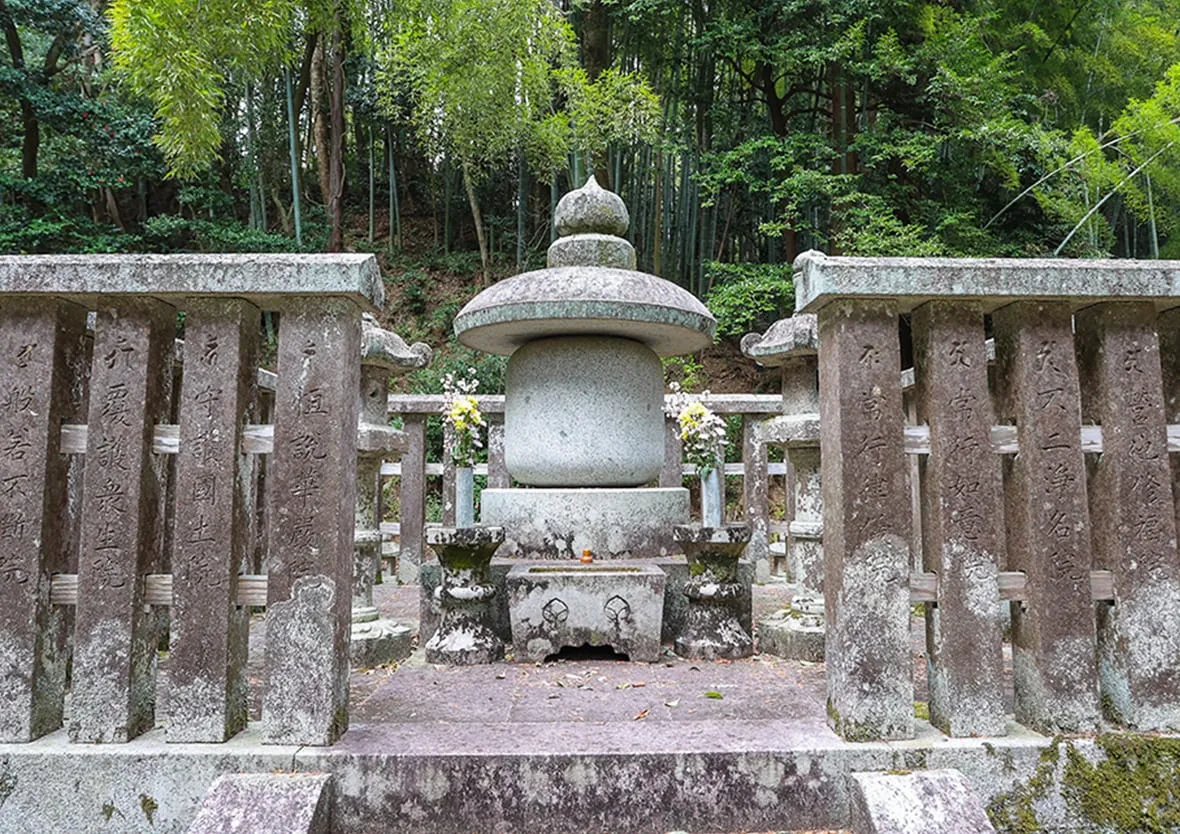
Unique Gorintō (Five-Ringed Stupas)
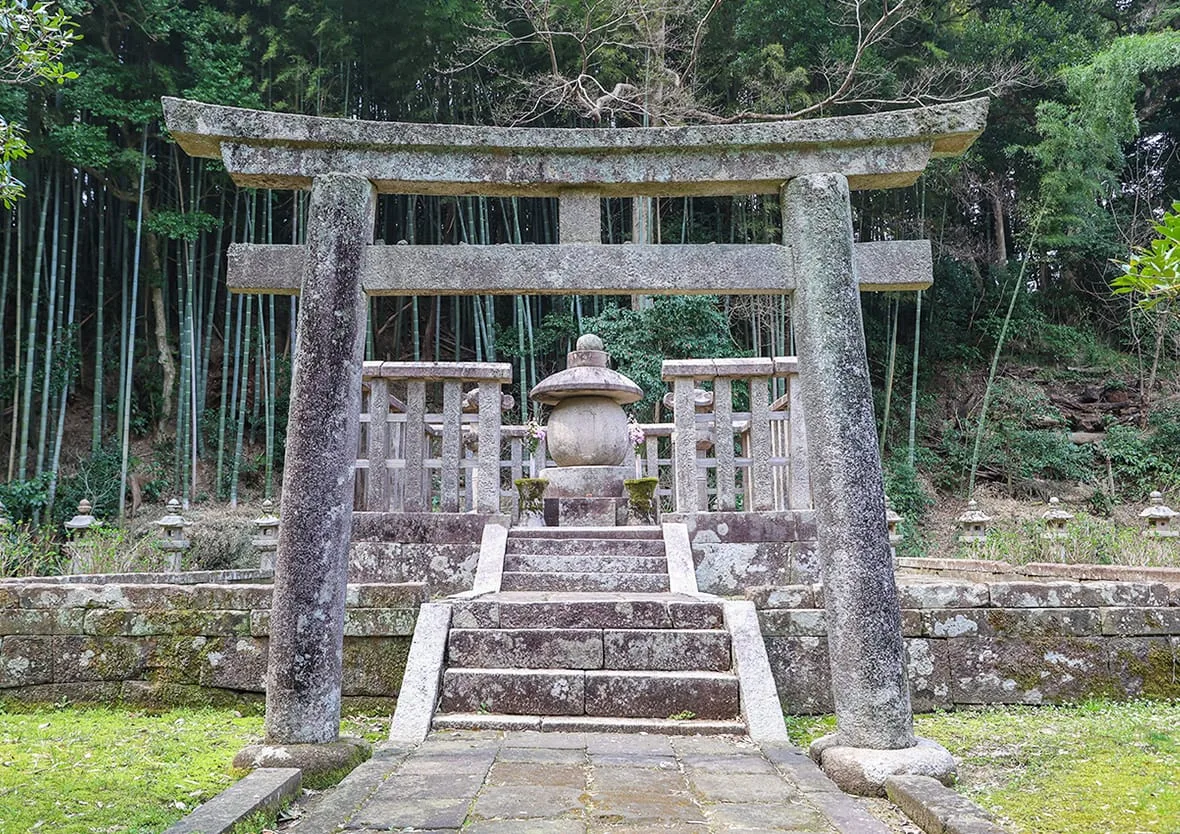
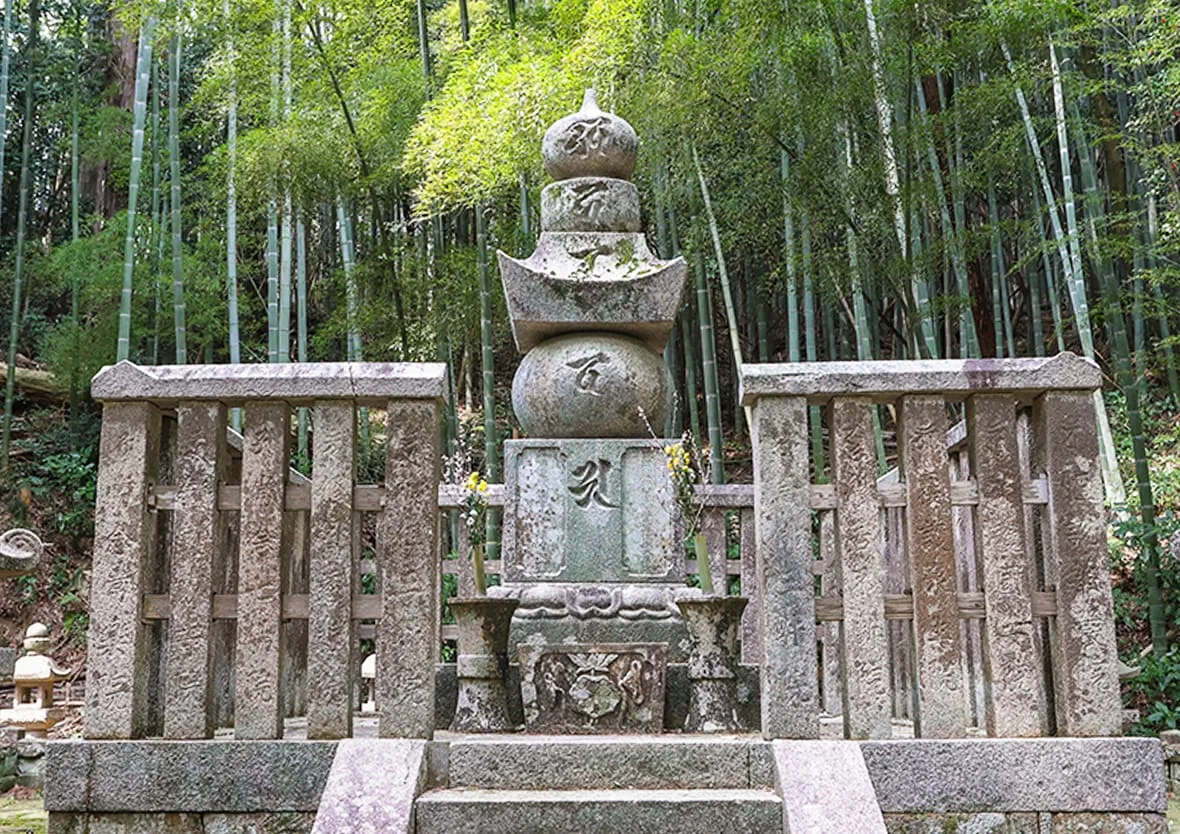
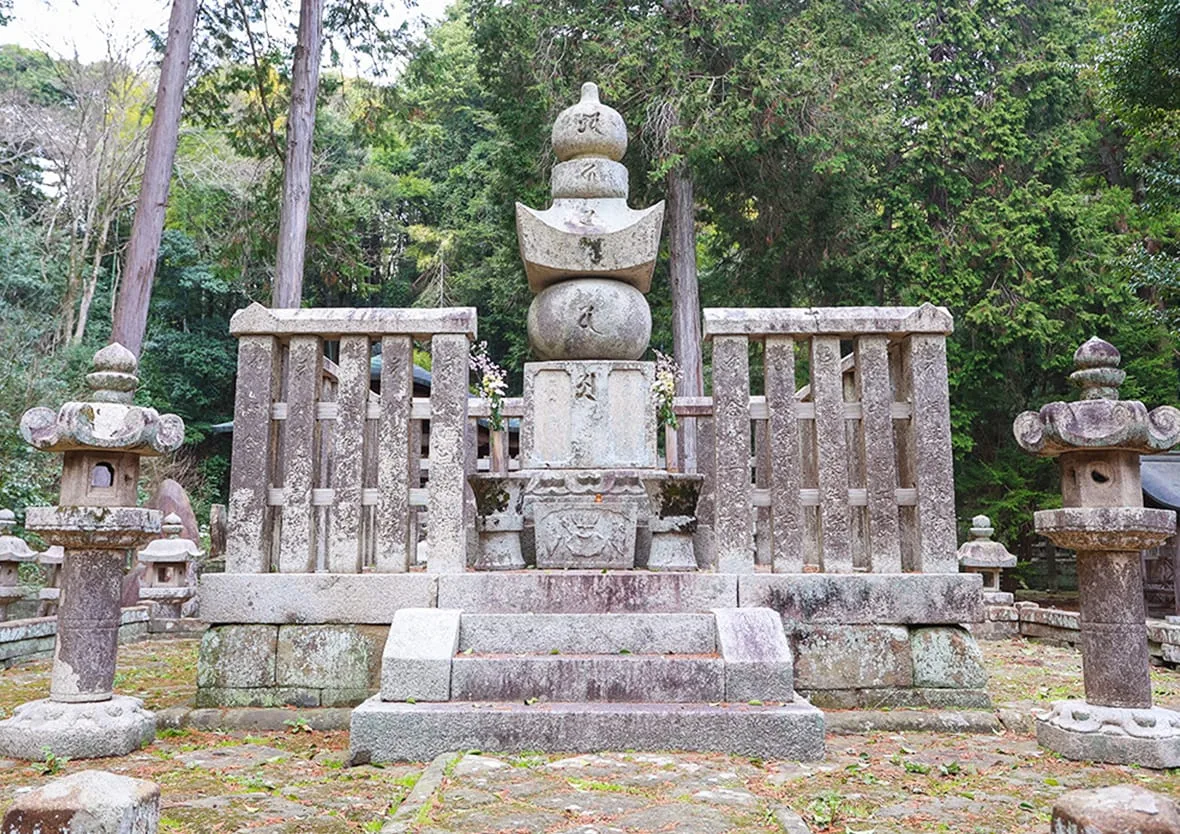
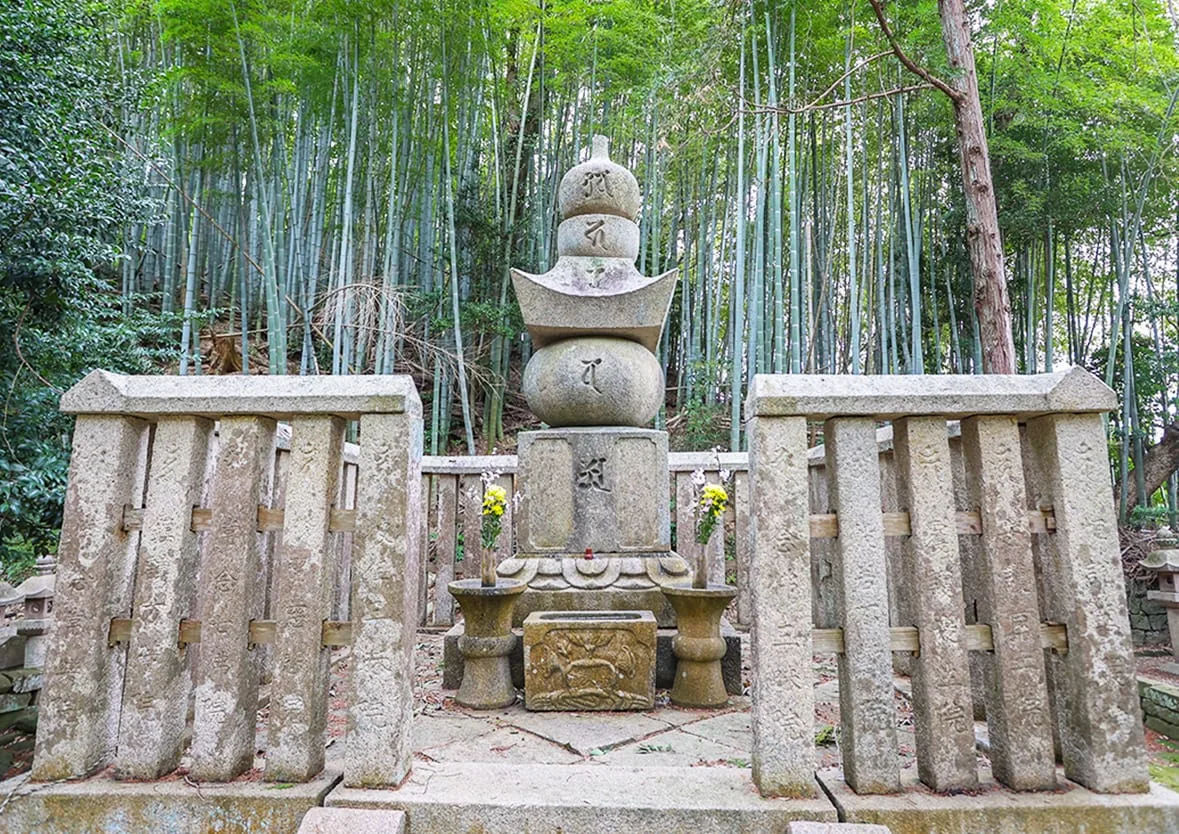
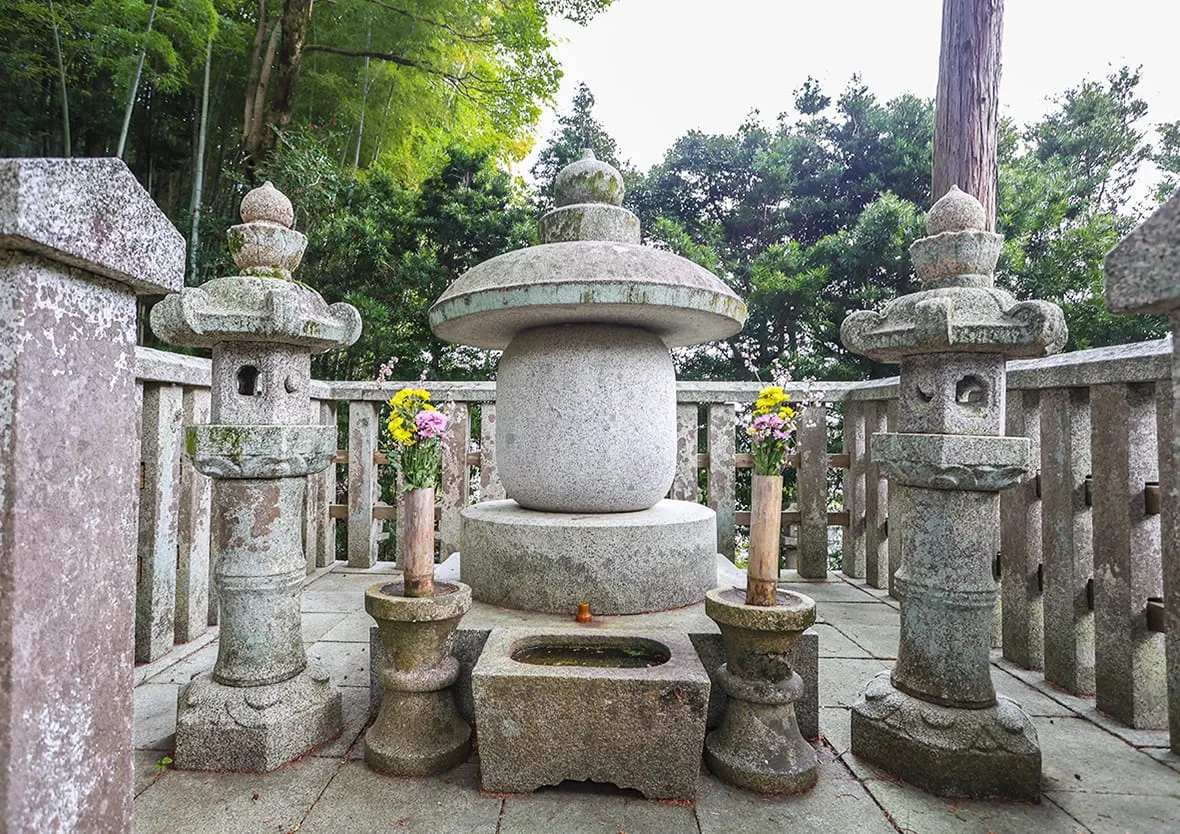
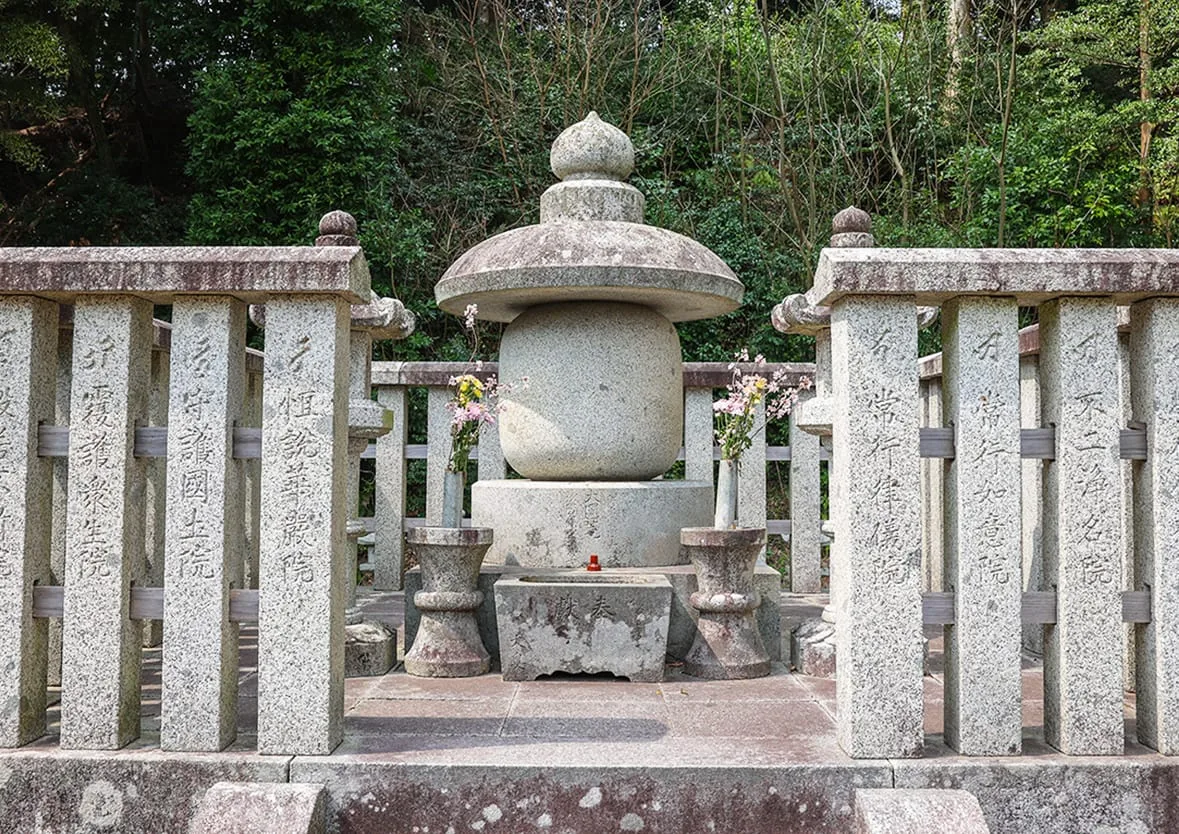
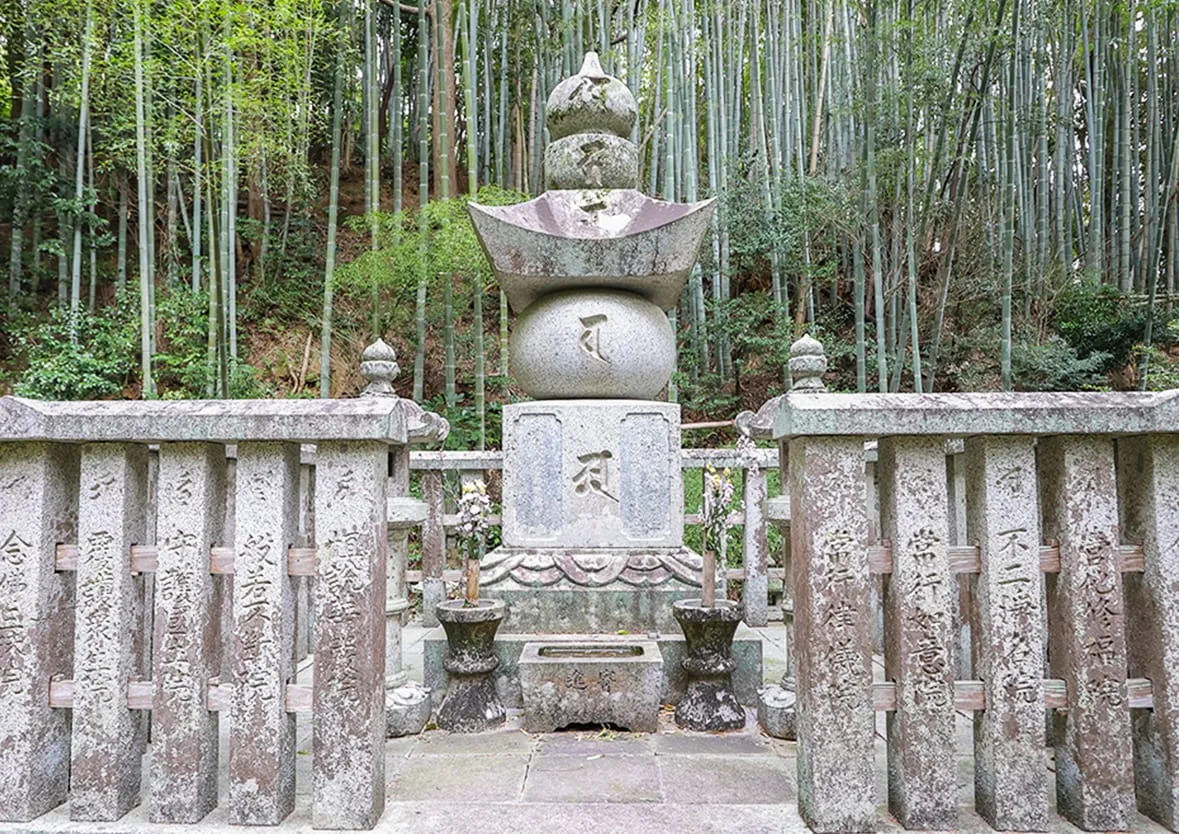
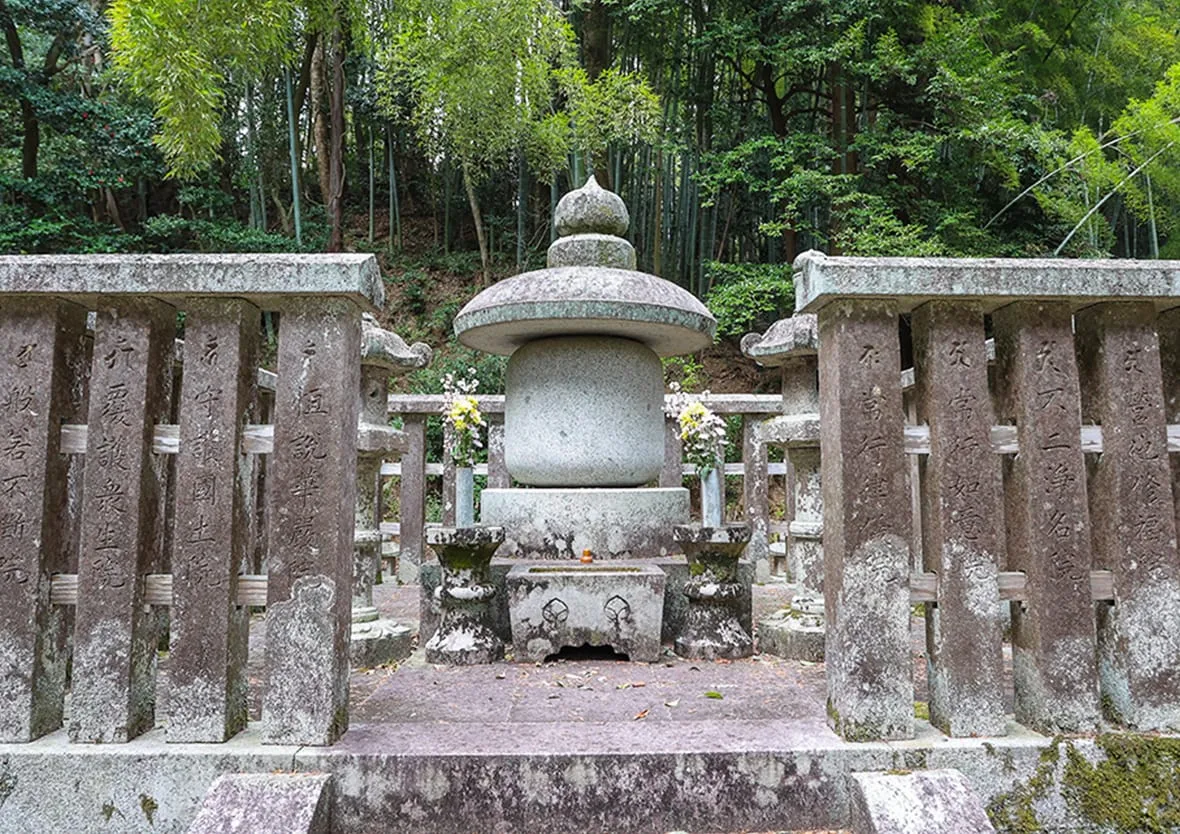
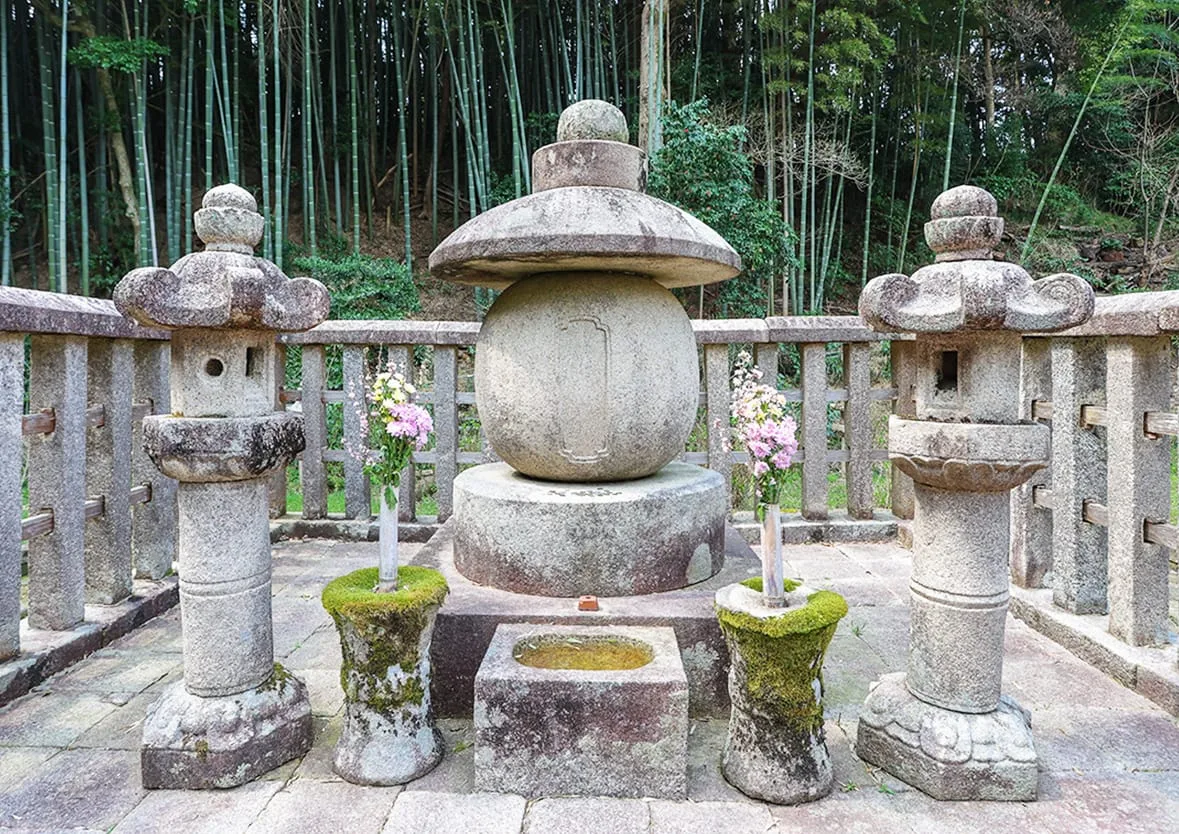
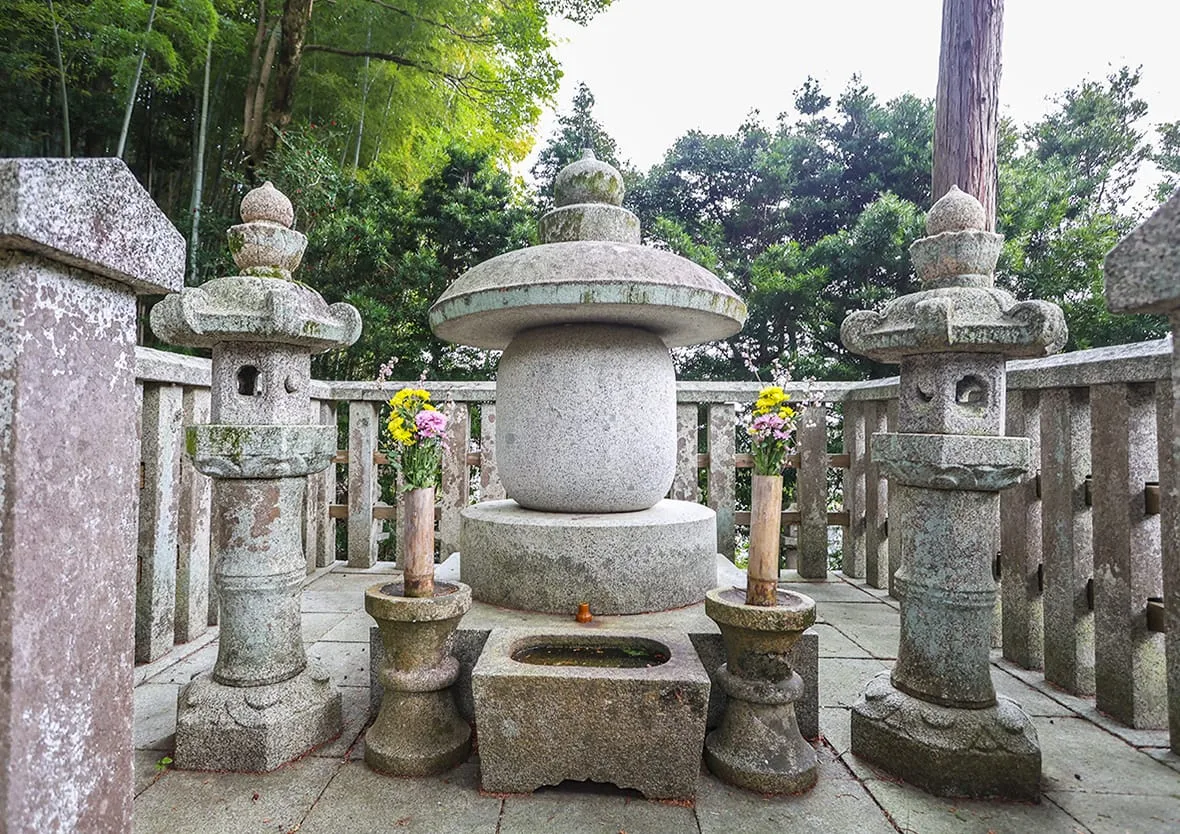
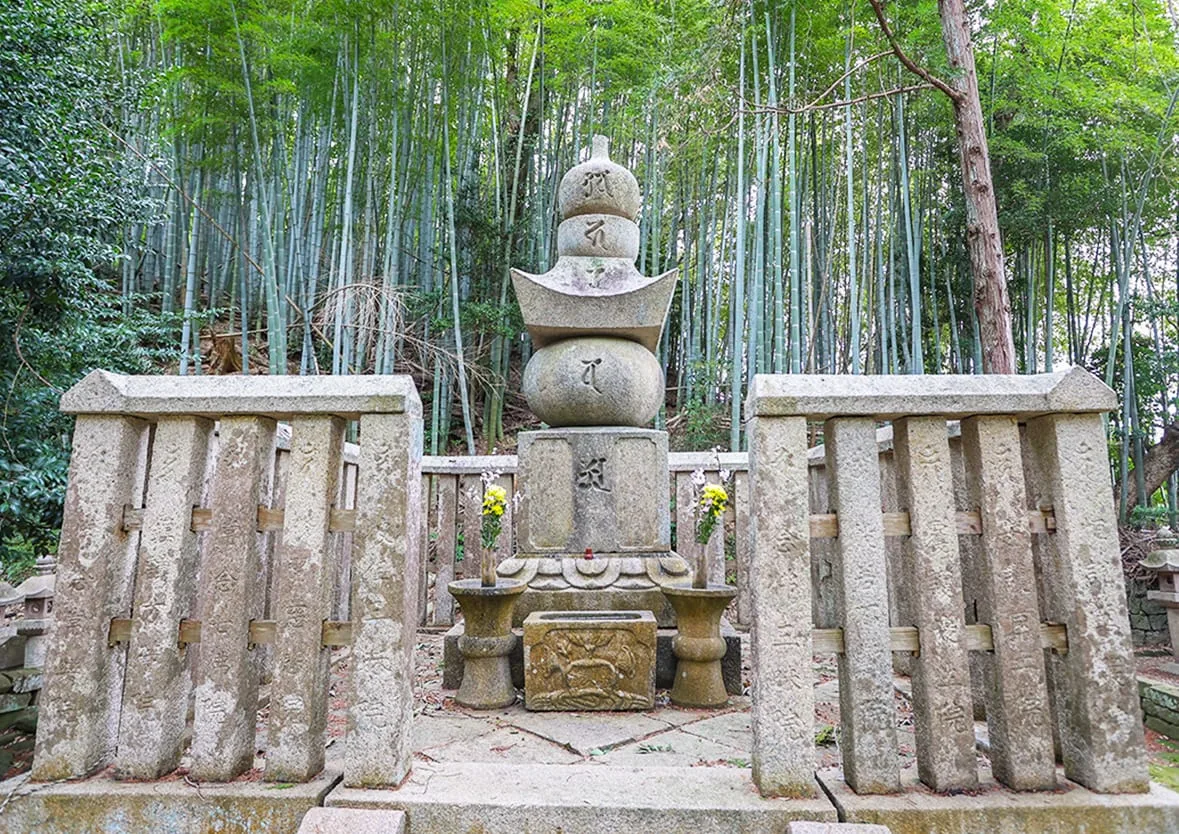
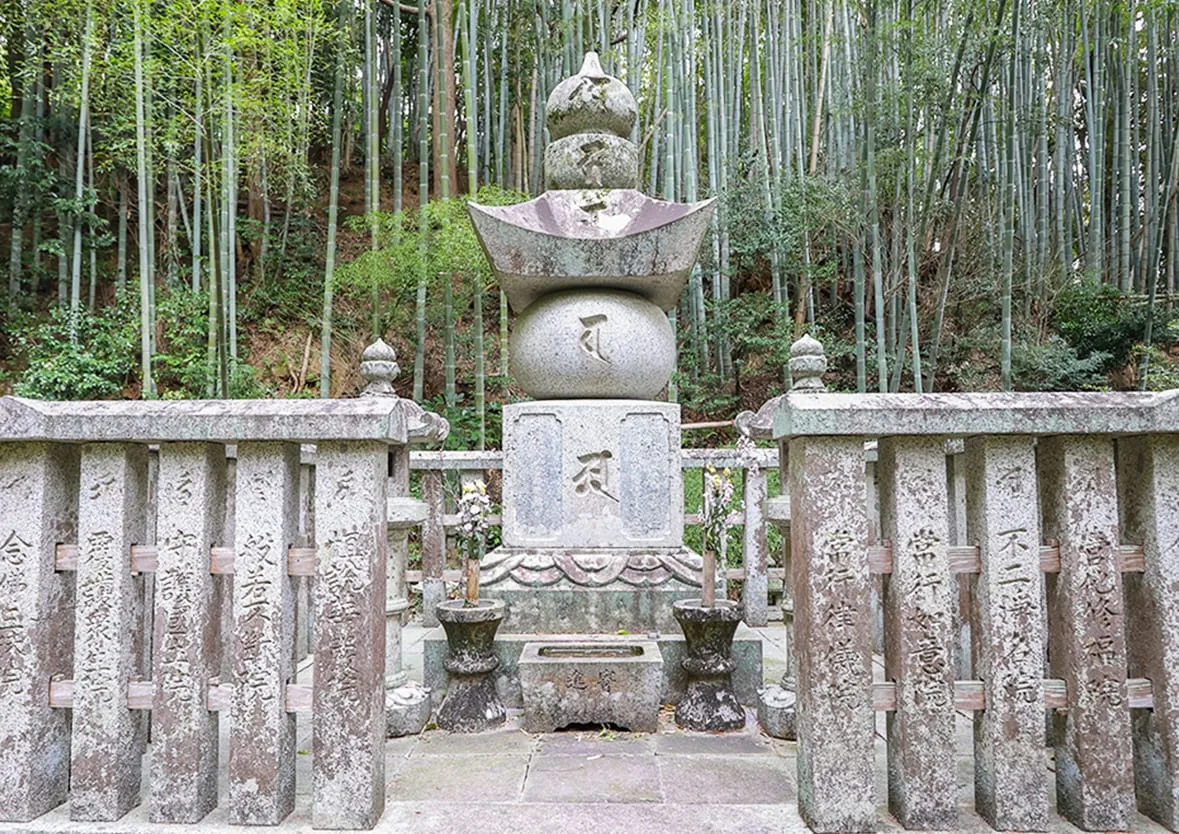
These uniquely shaped five-tiered stupas are erected at the tombs of the first, fifth, sixth, seventh, and ninth lords of the Matsue domain. Unlike typical five-tiered stupas, they are stone monuments with a distinctive shape. They symbolize the tombs of the Matsue domain lords and remain in their original form, representing the faith and authority of the lords.
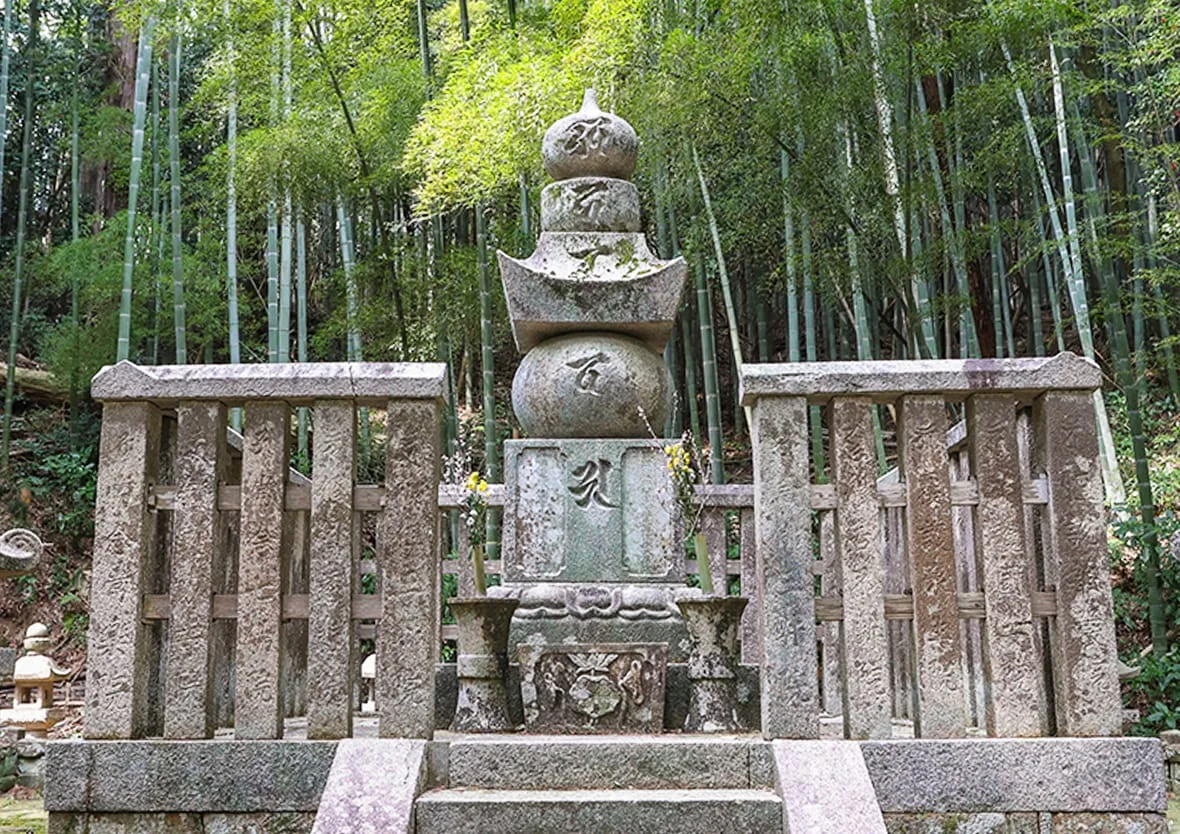
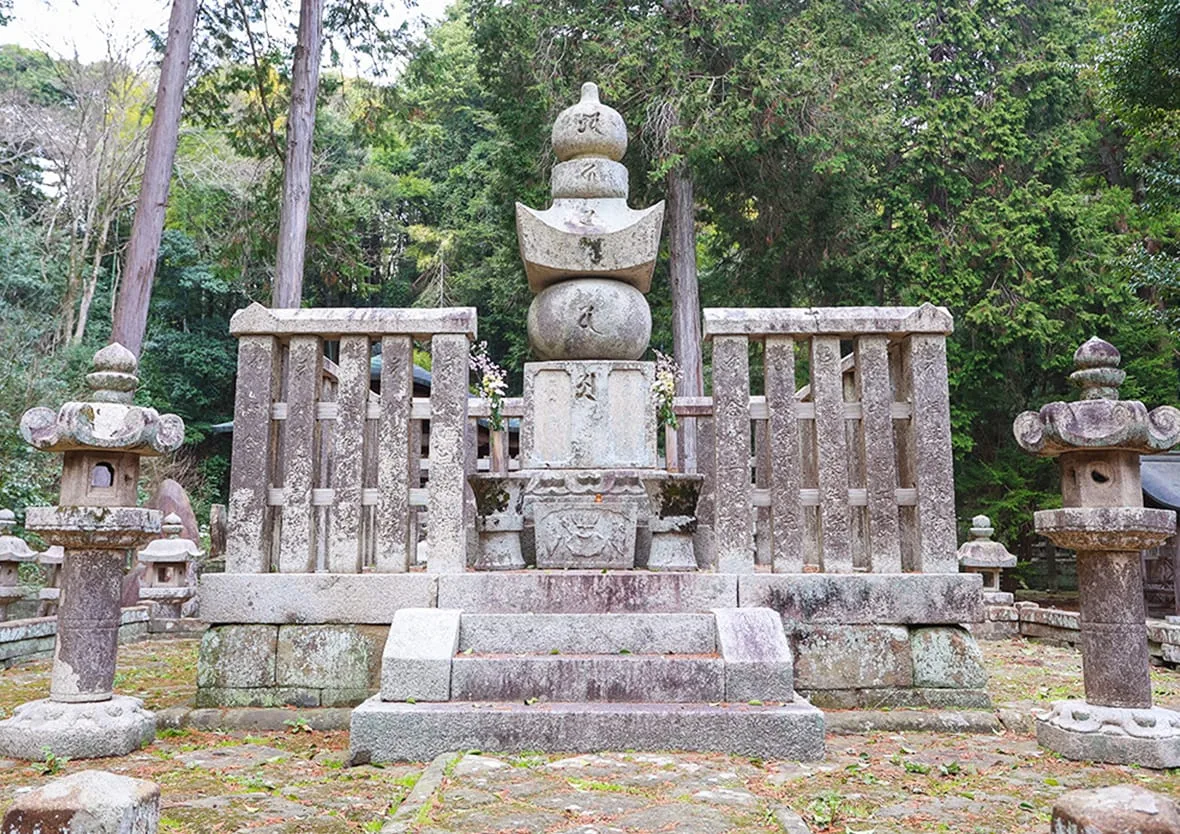
Traditional Gorintō (Five-Ringed Stupas)
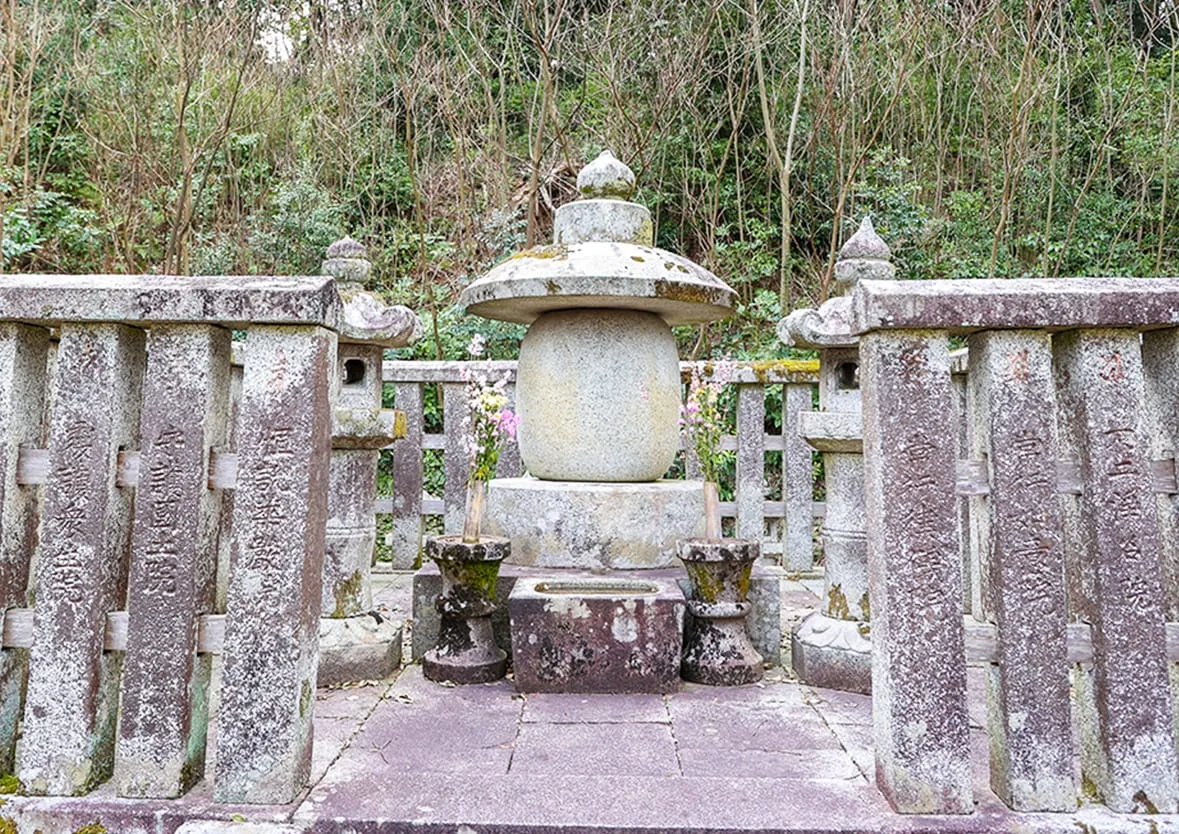
Traditional five-tiered stupas stand at the tombs of the second, third, fourth, and eighth lords of the Matsue domain. These stupas are stone monuments symbolizing the five elements of Buddhism—earth, water, fire, wind, and void—and were erected to pray for the repose of the lords' souls. They are symbolic of the Matsue domain lords' tombs and convey to the present day the faith and authority of the lords.