
About the Great Turtle Statue
Top / About Gesshoji Temple / About the Great Turtle Statue
A large stone turtle statue
stands quietly within the grounds of Gesshoji Temple It is said to grant prayers for longevity, and
many people have entrusted their wishes to it.
In recent years, the statue
attracted attention
as a place associated with Lafcadio Hearn and his wife Setsu This turtle statue, beloved over many years
continues to watch over many people as a symbol of Gesshoji Temple
What is the Great Turtle Statue?
Lord Harusato (Lord Fumai), the seventh lord of the Matsudaira clan and lord
erected the "Juzohi" (memorial tower) at the request of his father, Lord Soen,
to praise his virtue and pray for his long life
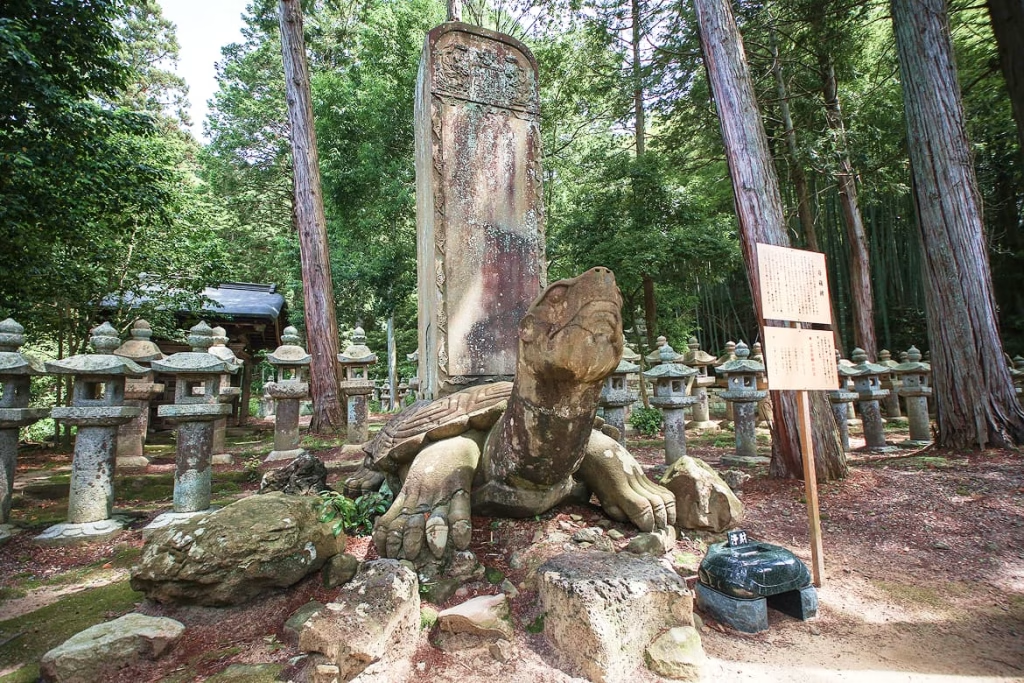
The stone was reportedly quarried in the mountains of Kutami-cho, Izumo City, some 20 kilometers from Matsue, in 1781, and transported across Lake Shinji by boat or raft.
The stone monument was completed the following year, but it is not certain whether it was erected by the time of Lord Soen's death.
The base supporting the Juzo monument is the large turtle statue that still stands out in the temple grounds today.
In ancient Chinese thought, it was called the "Turtle-Based Monument" and was originally thought to represent a "dragon" rather than a "turtle."
However, due to its appearance, it was also known as the "Monster Turtle" among the people, and it even appeared in the writings of the Meiji era literary giant Koizumi Yakumo (Lafcadio Hearn).
With such a narrative and literary background, the Great Turtle Statue is not only a symbol of prayers for longevity, but also an essential presence when talking about Matsue's culture.
Furthermore, in 2025, it will once again attract attention as a result of an NHK morning drama series starring Lafcadio Hearn's wife, Setsu, as the heroine.
Carrying a long history, the Great Turtle Statue continues to connect people's prayers and culture even today - it truly is a symbol of Gesshoji Temple.

As a symbol of longevity
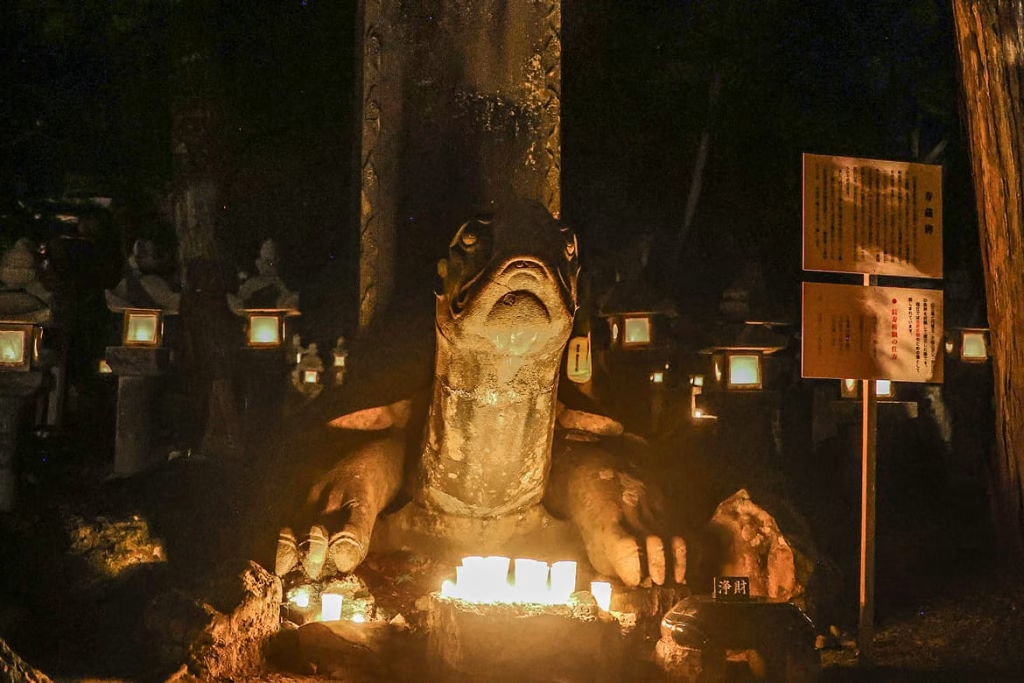
The Juzo monument was erected
by Lord Harusato (Lord Fumai), the seventh head of the Matsudaira clan,
to praise the virtues of his father, Lord Soen, and The large turtle statue that served as the monument's base
become beloved by people
as a symbol of longevity Eventually, people began to visit the monument
to pray for the health and longevity of themselves and their families, and
even today, many worshippers visit the temple grounds
and join their hands together in prayer.
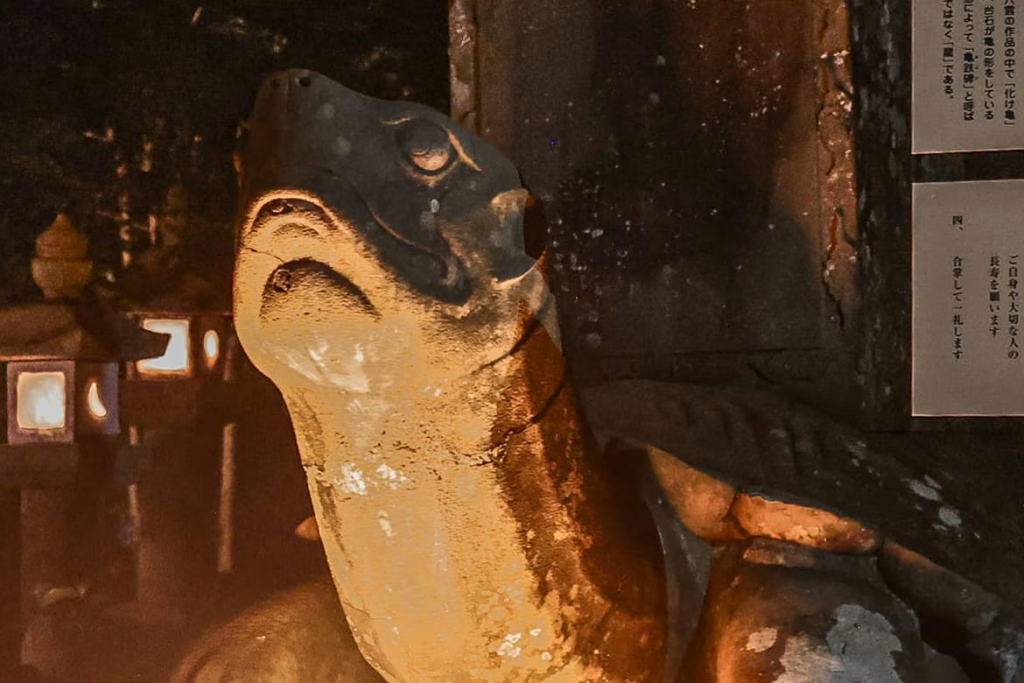
When visiting the shrine,
it is customary
gently stroke the head of the statue , praying for longevity. The statue is a symbol of prayers for longevity, and also
watches over the future of those who visit.
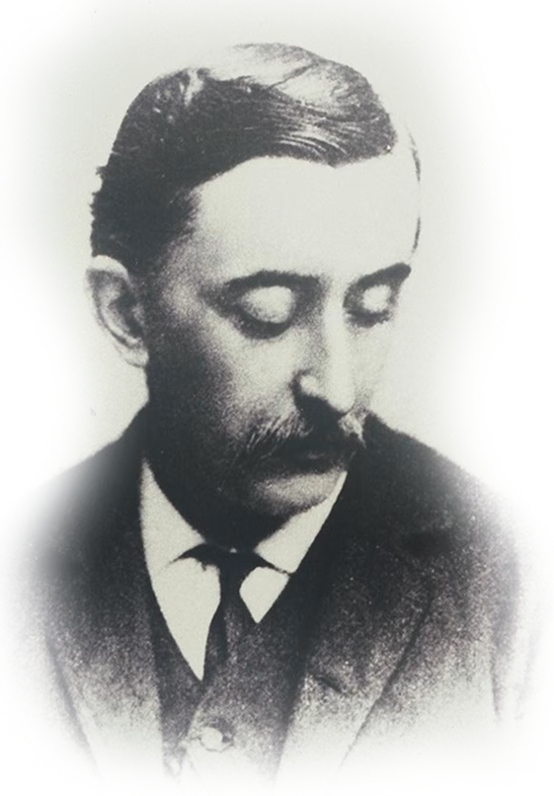
Tradition and the story of Lafcadio Hearn
The giant turtle statue that stands at Gesshoji Temple
, a historic site of the Matsudaira clan, lords of Matsue is a symbol of prayer for longevity, but
also has a mysterious ghost story aspect.
The Meiji era literary giant Lafcadio Hearn
introduced this being known as the "bake-turtle"
in his book "Unknown Faces of Japan," made the strange legend of Gesshoji Temple widely known.
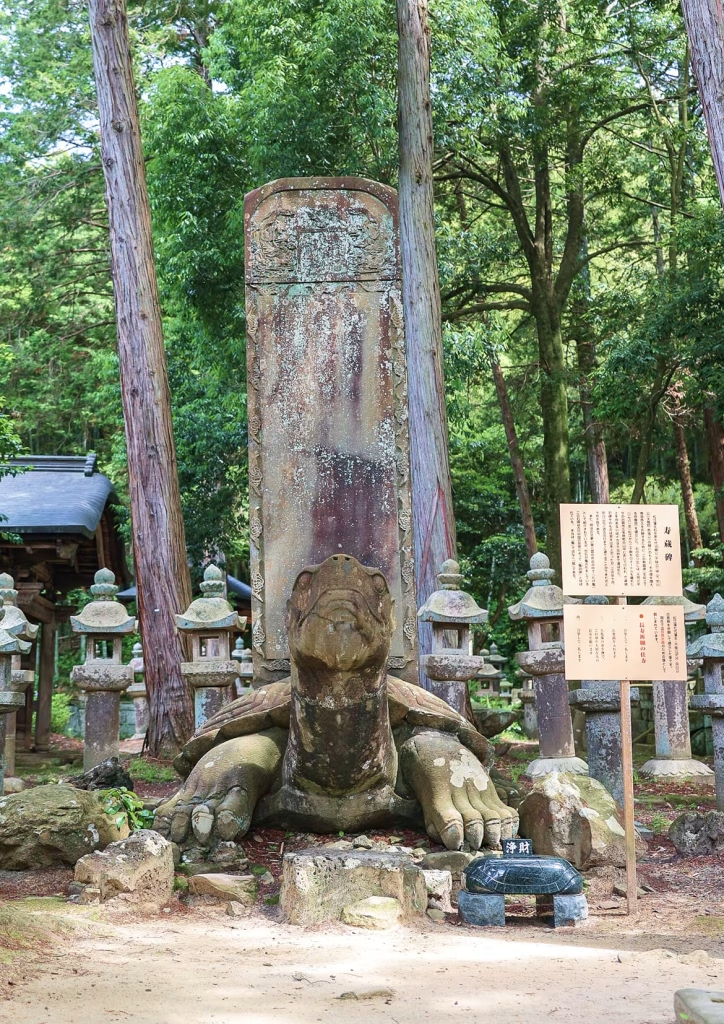
According to the legend of the "Ghost Turtle" featured in Yakumo's writings, the giant turtle statue was a terrifying entity that would come to life every night and bring disaster to the people. The villagers were too afraid to touch it, so the temple's head priest finally preached Buddhist teachings to the turtle, urging it to repent.
The turtle responded, "I cannot do anything on my own," and ultimately carried a large stone monument on its back, sealing itself away so it would never move again. This image is the very image of the giant turtle statue carrying the Juzo monument that still remains on the temple grounds, a being where legend and reality intertwine.
By introducing this eerie tale, Yakumo portrayed the giant turtle statue not as a mere stone structure, but as a "protective symbol that protects the people by remaining motionless." This literary tale, transformed into a tale, has made it one of Matsue's most iconic legends, and it continues to be passed down to this day.
This story, through literary language, is one of the reasons why the stone statue is not just a memorial, but remains in people's hearts as a legend that should be passed down.And
in 2025, Yakumo's wife, Setsu, was chosen as the protagonist of NHK's morning drama, and the Oogame statue is attracting new attention.